我凭什么去给他们打饭 看门去
“Why should I serve them food or guard the gate?”
THE DIALOGUE REEL
我当然哪个都不喜欢了
“I don't like either of them.”
我凭什么 去 给他们打 饭 看门去
“Why should I serve them food or guard the gate?”
儿子 你这话说得就不对了
“Son, that's not the right attitude.”
“I am way too good to be doing cheap chores for those people.”
In Chinese culture, young adults often resist entry-level or menial chores like fetching food, viewing them as degrading to personal status and dignity.
LEARNING CHUNKS & PARTICLES
on what grounds / why on earth
A powerful rhetorical question pattern used to challenge perceived unfairness or unjust demands.
fetch meals / get food from a cafeteria
Commonly used in school or workplace cafeteria contexts for buying or fetching meals.
act as a doorkeeper / guard the entrance
Often used literally for security or guard work, and colloquially to denote low-status vigilance.
VOCABULARY & EXPRESSIONS
Parallel Spoken Cinema Scenes (语义近邻切片)
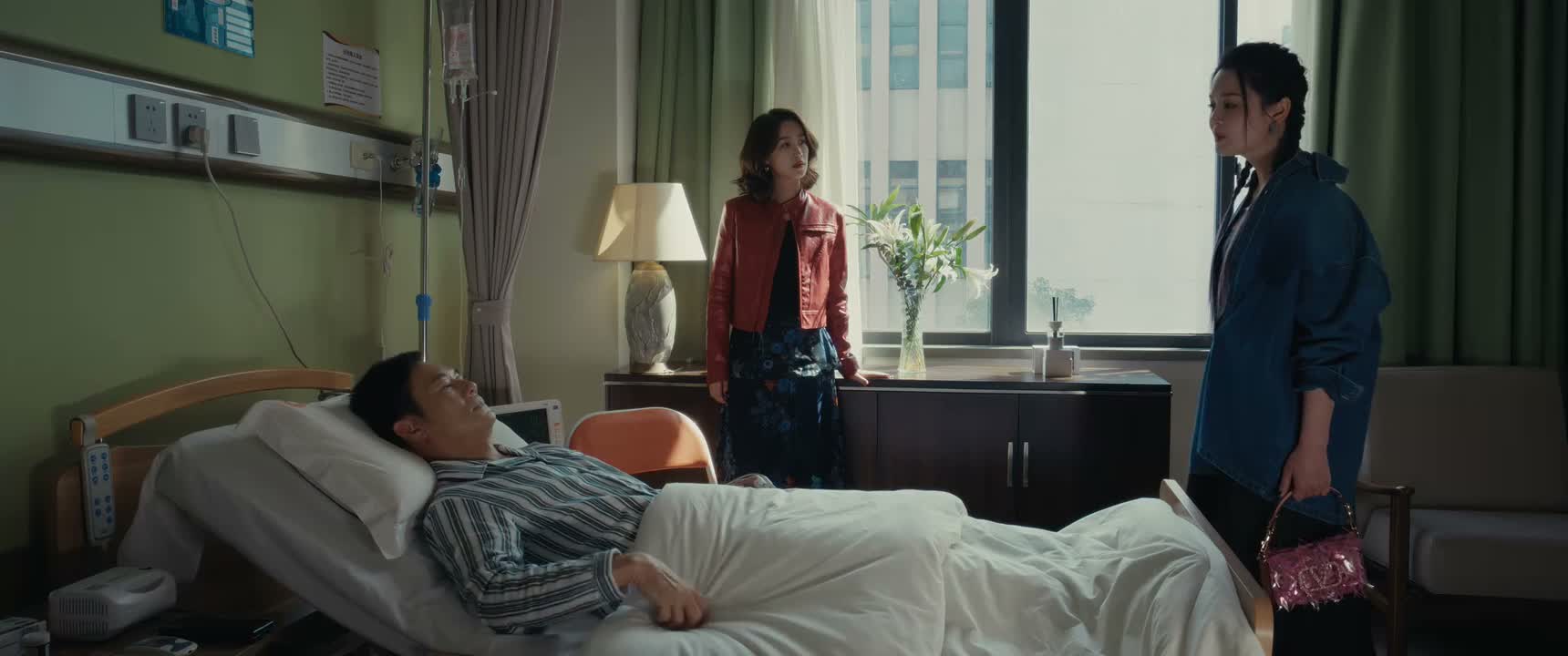
“Why should I get out? You can't kick me out.”

“Why should I pay him back? Don't even think about it.”
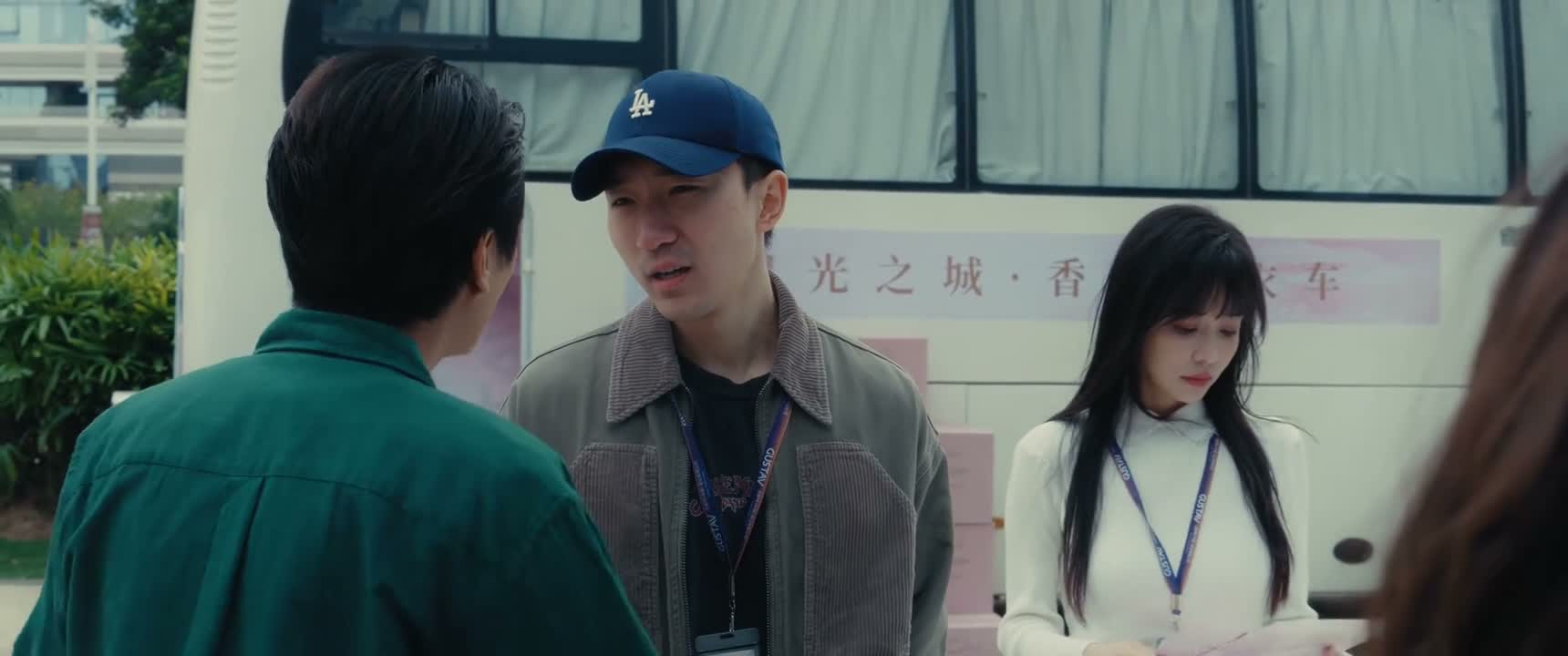
“Why should I stop? Because you're her confidant”

“Are you planning to serve food for your whole life? What's wrong with that?”

“Why should you?”

“Then why don't you give me chopsticks?”