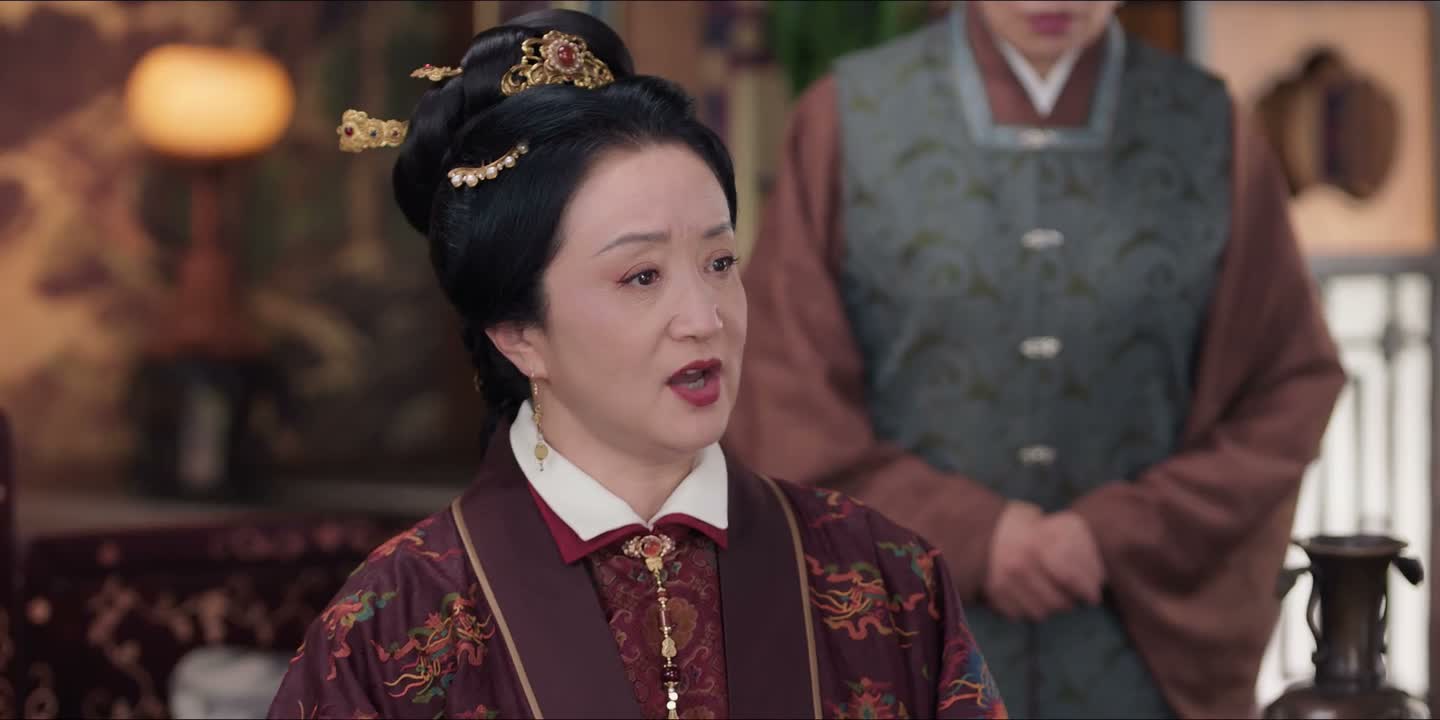
本想着礼多人不怪
“I thought one couldn't go wrong with being too polite.”
THE DIALOGUE REEL
我这也是头一回来茶会
“This is my first time attending this tea party.”
本 想着 礼多人不怪
“I thought one couldn't go wrong with being too polite.”
倒不知道这茶会 有这些规矩
“I didn't know the tea party had such rules.”
“I was just trying to be polite, so please don't fault me for not knowing all your unspoken rules.”
Chinese social culture values deference and gift-giving; claiming '礼多人不怪' allows a guest to preserve face when their actions inadvertently breach local unspoken etiquette.
LEARNING CHUNKS & PARTICLES
nobody takes offense at excessive politeness / courtesy costs nothing
A traditional proverb used to justify over-preparing gifts or to excuse clumsy formality in social interactions.
originally intended; assumed at first
Use this phrase to explain a prior assumption that turned out to conflict with the current reality.
VOCABULARY & EXPRESSIONS
Parallel Spoken Cinema Scenes (语义近邻切片)
“Does he expect me to bow to him?”

“It was supposed to be a good thing where more work means more pay.”

“Why bother going against Master's wishes?”

“What are you doing out here? Help! Pervert!”

“That wouldn't be proper, would it?”

“I'll only be even ruder!”