《Love Story in the 1970s》 S1·E10 (24:06)
HSK 3
nǐ kě bié tài gāo gū le zì jǐ
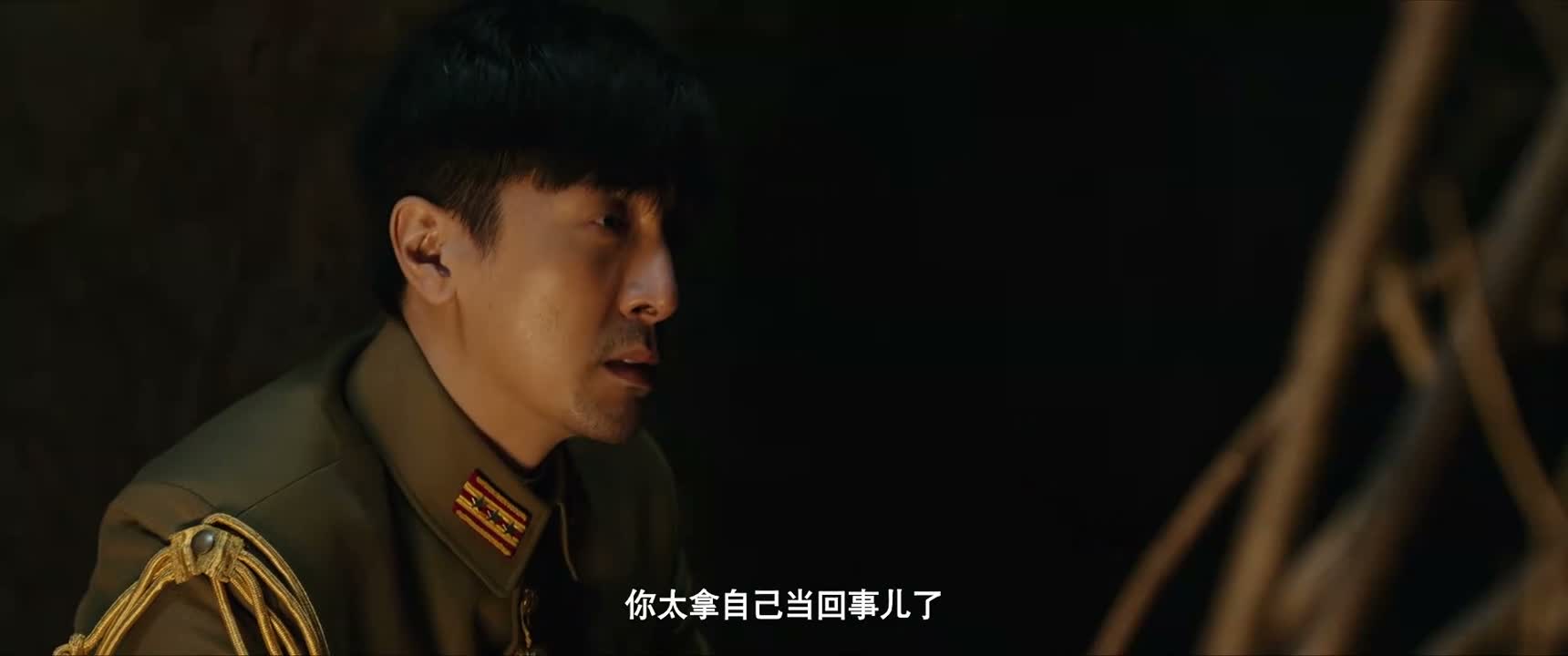
你可别太高估了自己
“don't overestimate yourself.”
《Love Story in the 1970s》
S1·E10
TIMECODE: 24:06
·
1080P MASTER AUDIO
THE DIALOGUE REEL
[-1] PREVIOUS TURN
fèi ní tóng zhì
费霓同志
“Comrade Fei Ni,”
nǐ kě bié tài gāo gū le zì jǐ
CURRENT FOCUS
你 可别 太 高估 了 自己
“don't overestimate yourself.”
[+1] FOLLOW-UP TURN
nǐ men zhè xiǎo nián qīng a lǎo jué de zì jǐ huì suàn rì zi a
你们这小年轻啊 老觉得自己会算日子啊
“You young people always think you can count the days,”
Subtitles synced to millisecond timecode
Browse Show Clips →
Scene:
Workplace
Function:
GIVING WARNING
Tone:
PATRONIZING AND ADMONISHING
Emotion:
CONDESCENSION
WHAT THEY REALLY MEAN (PRAGMATIC SUBTEXT)
“You are naive and in over your head, so listen to your elders.”
💡 Cultural Insight: Generational Lecturing (Yilaomailao)
Senior figures in traditional Chinese socialist workplaces frequently adopt a paternalistic tone, knocking down younger people's confidence under the guise of practical guidance.
INTENT TAGS:
#admonition
#warning
#patronizing
#dismissal
🧩
2 CHUNKS · 1 PARTICLES
LEARNING CHUNKS & PARTICLES
可别
SPOKEN CHUNK
make sure not to / definitely do not
An emphatic spoken warning urging someone to avoid a mistake or undesirable action.
高估了自己
SPOKEN CHUNK
overestimate oneself
Commonly used in criticisms to tell someone they lack the capability they think they possess.
Modal Particle「了」 (le)
CHANGE OF STATE
Marks completion/extent of the verb '高估' (overestimate).
🏮
2 EXPR · 1 GRAMMAR
VOCABULARY & EXPRESSIONS
CROSS-CINEMA CORPUS BOARD · PARALLEL SCENES
EXPLORE BY SEMANTIC SIMILARITY
Parallel Spoken Cinema Scenes (语义近邻切片)

《Love Story in the 1970s》 S1·E10 (24:06) · Authentic Cinema Dialogue Corpus