看看 还是咱们晓雅聪明
“See, Xiaoya's the smart one.”
THE DIALOGUE REEL
你怎么没去海南
“Why didn't you go to Hainan?”
看看 还是咱们晓雅聪明
“See, Xiaoya's the smart one.”
“What's the point of going to Hainan? You can't get their money back anyway.”
Direct spoken expression in this communicative setting.
Using '咱们' (our/us) instead of '我们' bridges social distance and signals tight in-group solidarity when praising a shared relation.
LEARNING CHUNKS & PARTICLES
after all; turns out to be
Used here to express that an outcome proves someone's choice or trait to be the superior one.
our; we (inclusive)
Creates warmth, intimacy, and shared pride among family or in-group members.
VOCABULARY & EXPRESSIONS
Parallel Spoken Cinema Scenes (语义近邻切片)

“Talk things over when you see Xiaoya.”

“I know Xiaoya was wrong.”

“I know Li Xiaoya pretty well.”
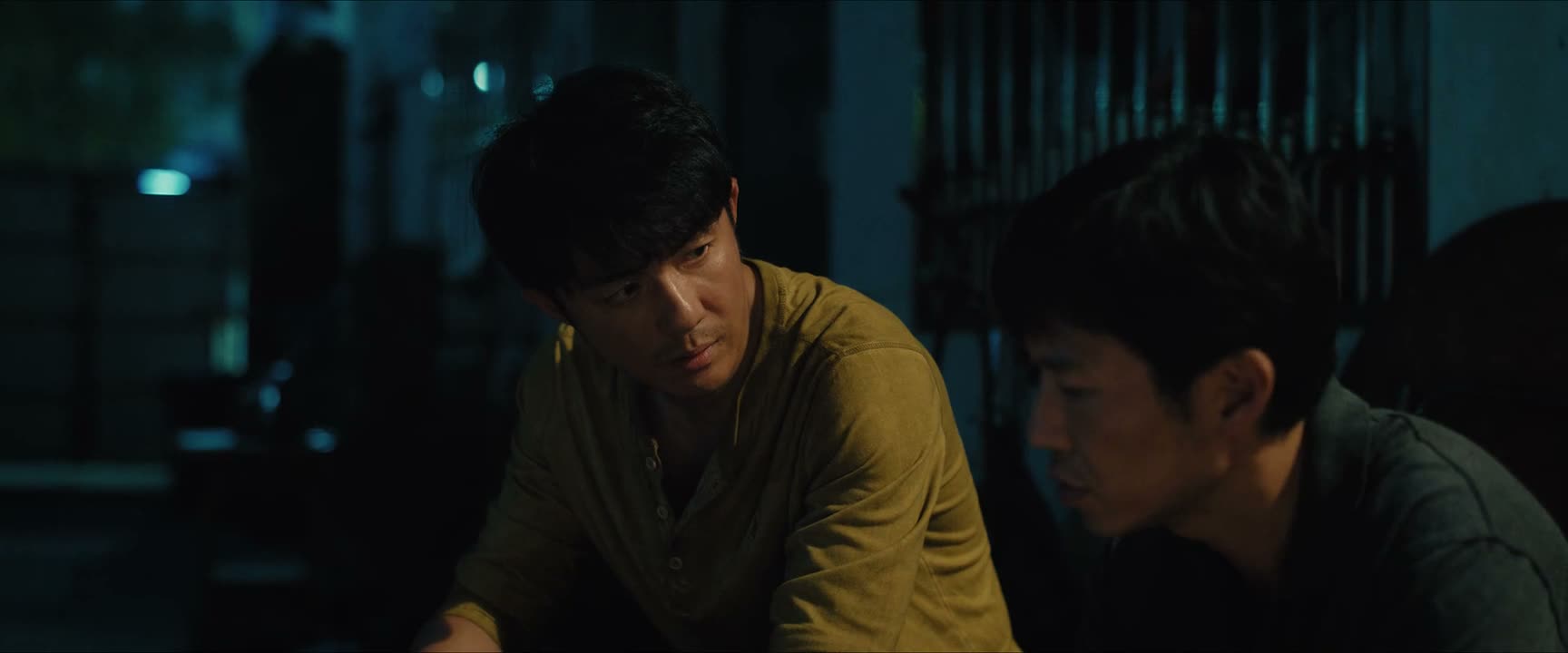
“Xiaoya was right the other day.”

“You can tell the difference, right, Li Xiaoya?”

“I can't wait now, Xiaoya. It's really urgent. Ken,”