MC
MandarinClips Cinema Corpus
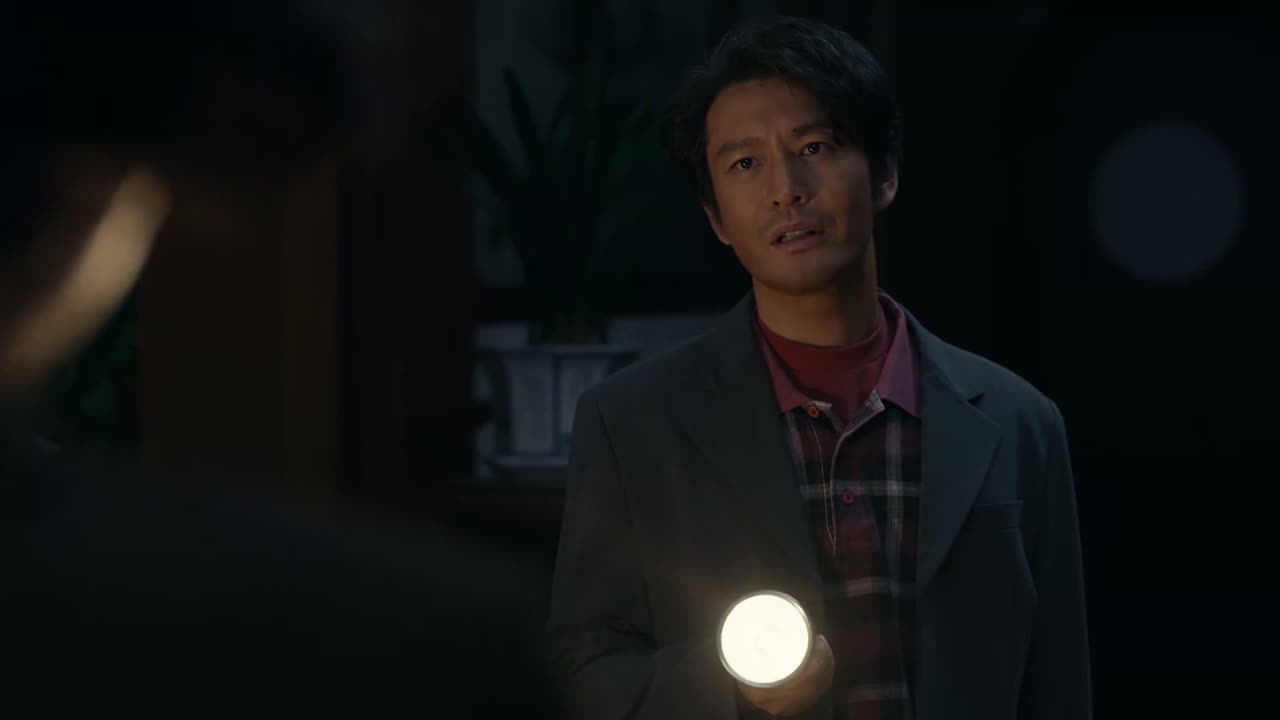
《Go Ahead》 S1·E33 (12:57) HSK 4
gěi hái zi huā qián nà néng jiào làng fèi ma

给孩子花钱 那能叫浪费吗

“It's not a waste of money when it's spent on the children.”

《Go Ahead》 S1·E33
TIMECODE: 12:57 · 1080P MASTER AUDIO

THE DIALOGUE REEL

1+1+1 SPOKEN CONTINUITY
[-1] PREVIOUS TURN wǒ jué de jīn tiān nǐ zhè zhè bù làng fèi ma zhè bú shì

“It feels like a waste of money.”

gěi hái zi huā qián nà néng jiào làng fèi ma CURRENT FOCUS

给孩子 花钱 那能叫浪费吗

“It's not a waste of money when it's spent on the children.”

[+1] FOLLOW-UP TURN hái bù dōu yīng gāi de

还不都应该的

“Isn't this what parental love is about?”

Subtitles synced to millisecond timecode Browse Show Clips →
Scene: Family & Home
Function: JUSTIFYING BEHAVIOR
Tone: ASSERTIVE
Emotion: DEFENSIVENESS
WHAT THEY REALLY MEAN (PRAGMATIC SUBTEXT)
“Nothing spent on our child is a waste, so stop complaining about the cost.”
💡 Cultural Insight: Parental Devotion and Investment

In Chinese culture, spending money on children's education and well-being is viewed as an unquestionable moral obligation rather than frivolous spending.

INTENT TAGS: #justification #refutation #parental_duty #rebuttal
🧩

LEARNING CHUNKS & PARTICLES

2 CHUNKS · 1 PARTICLES
花钱 SPOKEN CHUNK

to spend money

A basic, high-frequency spoken phrase for spending money on someone or something.

能叫……吗 SPOKEN CHUNK

can that really be called...?

A common rhetorical question frame used to firmly dispute a label or judgment given by the other party.

Modal Particle「吗」 (ma) CHANGE OF STATE

Forms a rhetorical question that strongly implies the opposite, reinforcing the speaker's denial.
🏮

VOCABULARY & EXPRESSIONS

2 EXPR · 0 GRAMMAR
CROSS-CINEMA CORPUS BOARD · PARALLEL SCENES

Parallel Spoken Cinema Scenes (语义近邻切片)

EXPLORE BY SEMANTIC SIMILARITY
《Go Ahead》 S1·E33 (12:57) · Authentic Cinema Dialogue Corpus