MC
MandarinClips Cinema Corpus
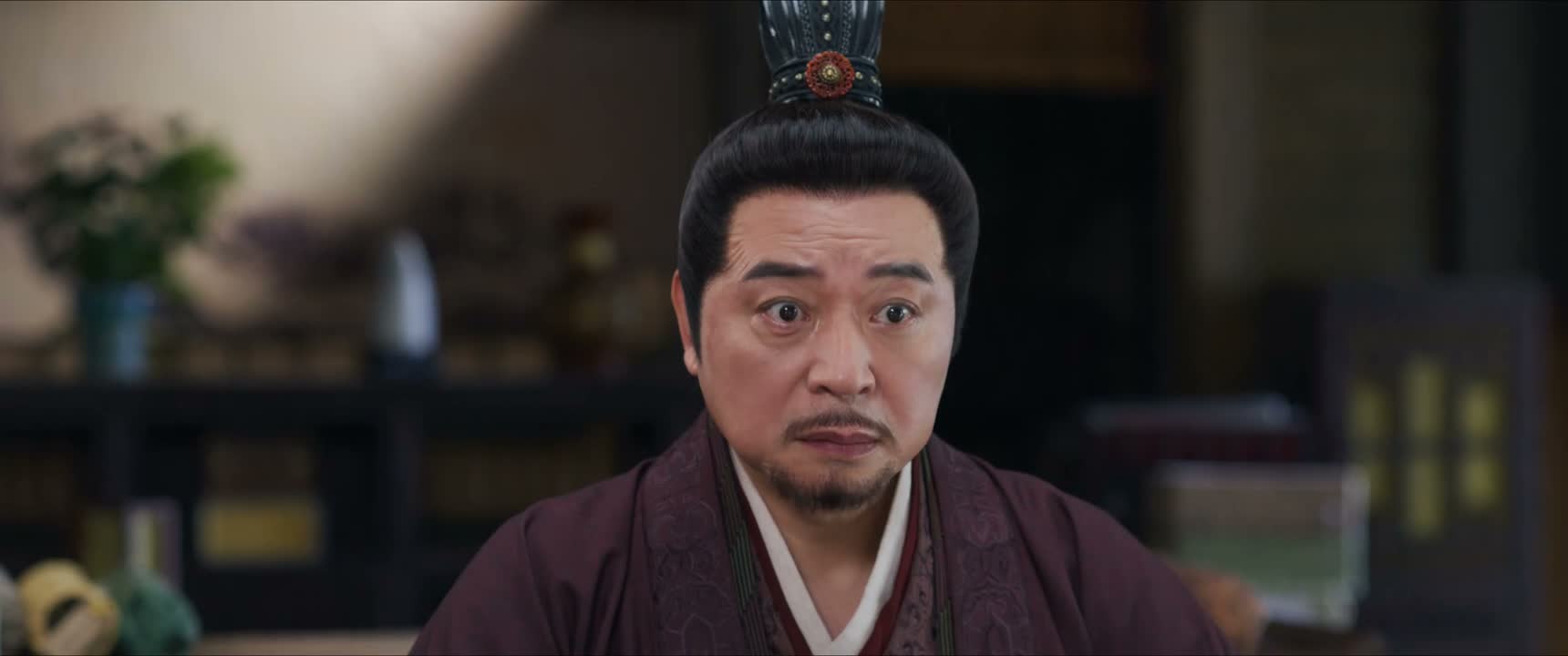
《Go Ahead》 S1·E33 (12:53) HSK 4
wǒ jué de jīn tiān nǐ zhè zhè bù làng fèi ma zhè bú shì

我觉得今天你这 这不浪费吗这不是

“It feels like a waste of money.”

《Go Ahead》 S1·E33
TIMECODE: 12:53 · 1080P MASTER AUDIO

THE DIALOGUE REEL

1+1+1 SPOKEN CONTINUITY
[-1] PREVIOUS TURN wǒ men jiā měi gè rén guò shēng rì dōu shì tā zuò cài zài jiā guò

我们家每个人过生日 都是他做菜 在家过

“He always cooks for everyone's birthday, and we celebrate at home.”

wǒ jué de jīn tiān nǐ zhè zhè bù làng fèi ma zhè bú shì CURRENT FOCUS

我觉得 今天 你这 这不浪费吗 这不是

“It feels like a waste of money.”

[+1] FOLLOW-UP TURN gěi hái zi huā qián nà néng jiào làng fèi ma

“It's not a waste of money when it's spent on the children.”

Subtitles synced to millisecond timecode Browse Show Clips →
Scene: Family & Home
Function: CRITICIZING SPENDING
Tone: CRITICAL
Emotion: DISAPPROVAL
WHAT THEY REALLY MEAN (PRAGMATIC SUBTEXT)
“You're spending too much money unnecessarily on this.”
💡 Cultural Insight: Frugality vs. Celebration

Traditional Chinese elders often prioritize thriftiness (qin-jian) and home cooking for celebrations, viewing outside dining expenses as excessive even on special occasions.

INTENT TAGS: #complaining #frugality #judging #rhetorical_questioning
🧩

LEARNING CHUNKS & PARTICLES

2 CHUNKS · 1 PARTICLES
这不是...吗 SPOKEN CHUNK

isn't this...?

A classic rhetorical pattern used to point out what the speaker views as an obvious fact or error.

浪费 SPOKEN CHUNK

wasteful; to waste

Frequently applied to money, food, or resources in family conversations regarding frugality.

Modal Particle「吗」 (ma) CHANGE OF STATE

Forms a rhetorical question that reinforces the speaker's judgment.

🏮

VOCABULARY & EXPRESSIONS

4 EXPR · 1 GRAMMAR
CROSS-CINEMA CORPUS BOARD · PARALLEL SCENES

Parallel Spoken Cinema Scenes (语义近邻切片)

EXPLORE BY SEMANTIC SIMILARITY
《Go Ahead》 S1·E33 (12:53) · Authentic Cinema Dialogue Corpus