MC
MandarinClips Cinema Corpus
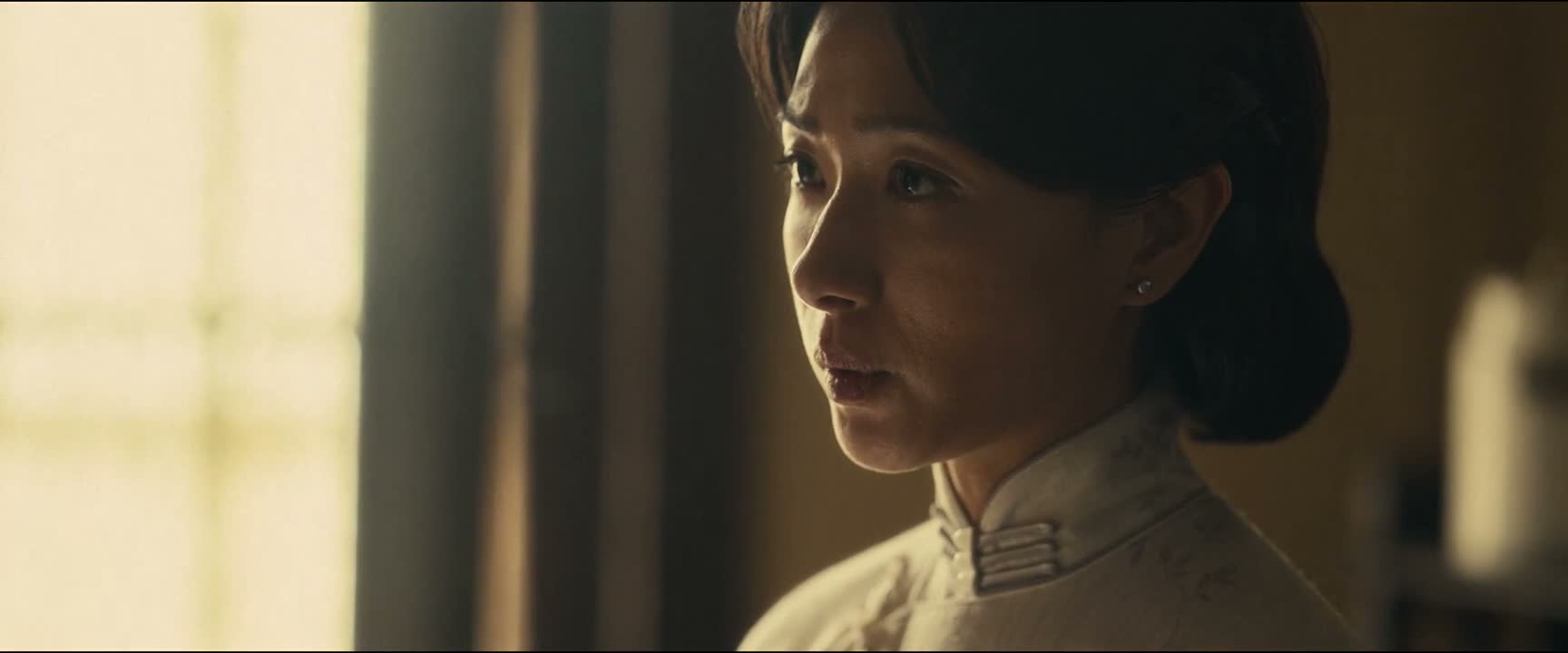
《Go Ahead》 S1·E33 (23:43) HSK 5
nà dāng rán dé yǒu qián guò rì zi le ya

那当然得 有钱过日子了呀

“Of course, one needs money to live.”

《Go Ahead》 S1·E33
TIMECODE: 23:43 · 1080P MASTER AUDIO

THE DIALOGUE REEL

1+1+1 SPOKEN CONTINUITY
[-1] PREVIOUS TURN nǐ bà hái shì gēn qián bǐ jiào qīn

你爸还是跟钱比较亲

“Your father prefers money over you.”

nà dāng rán dé yǒu qián guò rì zi le ya CURRENT FOCUS

那当然 得 有钱过日子 了呀

“Of course, one needs money to live.”

[+1] FOLLOW-UP TURN dàn shì wǒ bà yào shì bù gěi wǒ mā ná qián wǒ mā yě méi bàn fǎ

但是我爸 要是不给我妈拿钱 我妈也没办法

“But if my father doesn't give my mother the money, my mother can't do anything.”

Subtitles synced to millisecond timecode Browse Show Clips →
Scene: Family & Home
Function: JUSTIFYING
Tone: PRAGMATIC
WHAT THEY REALLY MEAN (PRAGMATIC SUBTEXT)

Direct spoken expression in this communicative setting.

💡 Cultural Insight: Practical Family Economics

In Chinese family culture, 'living life' (过日子) inherently requires financial stability, making discussions about money practical rather than purely selfish.

INTENT TAGS: #justification #rationalizing #pragmatism #clarification
🧩

LEARNING CHUNKS & PARTICLES

2 CHUNKS · 2 PARTICLES
过日子 SPOKEN CHUNK

to live daily life; to manage household living

A very common colloquial expression referring to the practical, mundane aspects of married or family life.

那当然得 SPOKEN CHUNK

well of course one must

Used to state a self-evident necessity or rationalization in spoken Chinese.

Modal Particle「呀」 (ya) CHANGE OF STATE

Softens the assertion while pointing out an obvious fact warmly.

Modal Particle「了」 (le) CHANGE OF STATE

Marks the completed realization or current state of requirement.
🏮

VOCABULARY & EXPRESSIONS

2 EXPR · 0 GRAMMAR
CROSS-CINEMA CORPUS BOARD · PARALLEL SCENES

Parallel Spoken Cinema Scenes (语义近邻切片)

EXPLORE BY SEMANTIC SIMILARITY
《Go Ahead》 S1·E33 (23:43) · Authentic Cinema Dialogue Corpus