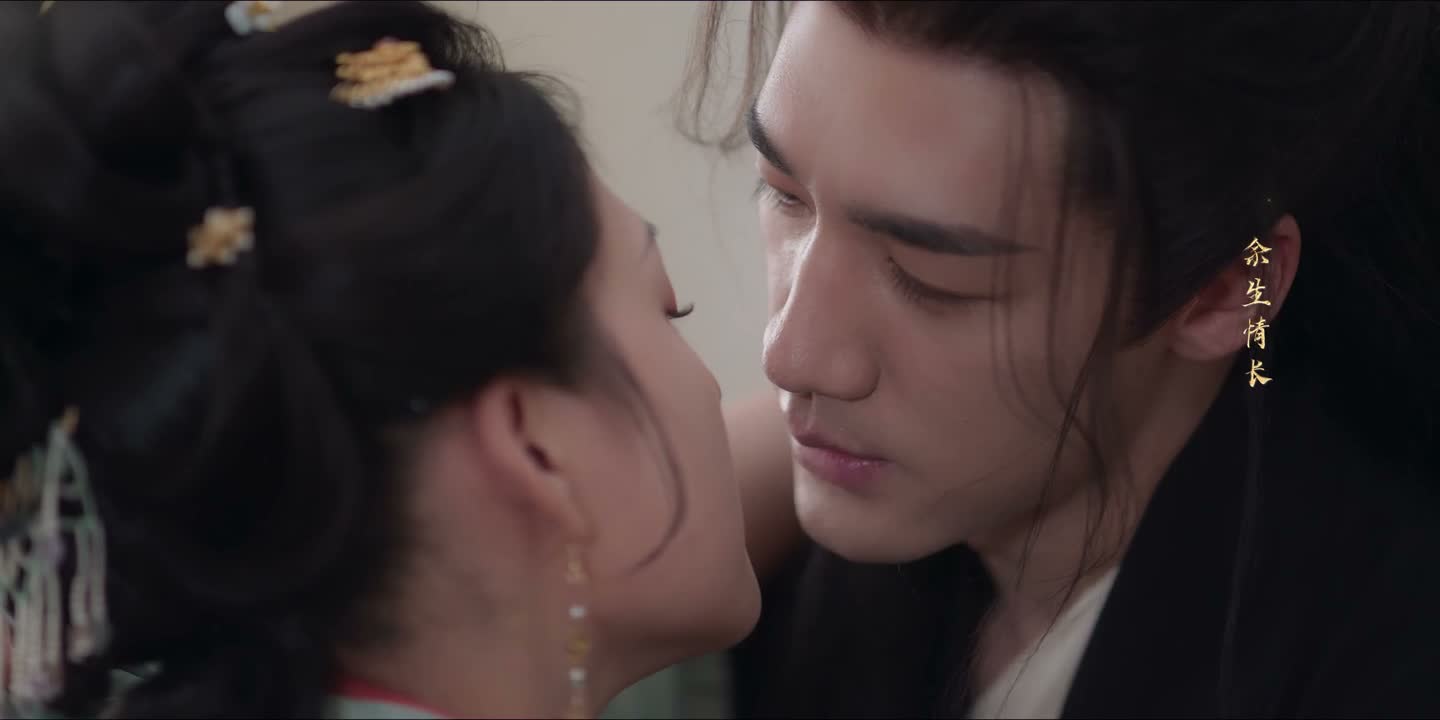
《Love Story in the 1970s》 S1·E15 (41:38)
HSK 5
fāng mù yáng nǐ dōu cóng nǎ xué de ya
方穆扬你都从哪学的呀
“Where did you learn that, Fang Muyang?”
《Love Story in the 1970s》
S1·E15
TIMECODE: 41:38
·
1080P MASTER AUDIO
THE DIALOGUE REEL
[-1] PREVIOUS TURN
tài bàng le
太棒了
“Brilliant!”
fāng mù yáng nǐ dōu cóng nǎ xué de ya
CURRENT FOCUS
方穆扬你都 从哪学的 呀
“Where did you learn that, Fang Muyang?”
[+1] FOLLOW-UP TURN
bù rán nǐ yǐ wéi wǒ yuán lái gàn má táo kè a zǒng děi zhǎo diǎn shì gàn ba
“What did you think I was skipping class for? I had to find something to do.”
Subtitles synced to millisecond timecode
Browse Show Clips →
Scene:
Social & Dating
Function:
INQUIRING WITH ADMIRATION
Tone:
PLAYFUL AND APPRECIATIVE
Emotion:
ADMIRATION
WHAT THEY REALLY MEAN (PRAGMATIC SUBTEXT)
Direct spoken expression in this communicative setting.
💡 Cultural Insight: Indirect Complimenting
In Chinese culture, asking 'where did you learn that?' immediately following praise is a common, warm way to validate someone's competence.
INTENT TAGS:
#praise
#curiosity
#admiration
#bonding
🧩
1 CHUNKS · 1 PARTICLES
LEARNING CHUNKS & PARTICLES
从哪学的
SPOKEN CHUNK
where did (you) learn (this)
A very natural spoken phrase used to express pleasant surprise or curiosity about someone's unexpected skill.
Modal Particle「呀」 (ya)
CHANGE OF STATE
Softens the inquiry, adding warmth, casualness, and a touch of affectionate curiosity.
🏮
1 EXPR · 0 GRAMMAR
VOCABULARY & EXPRESSIONS
COLLOQUIAL EXPRESSIONS:
CROSS-CINEMA CORPUS BOARD · PARALLEL SCENES
EXPLORE BY SEMANTIC SIMILARITY
Parallel Spoken Cinema Scenes (语义近邻切片)

《Love Story in the 1970s》 S1·E15 (41:38) · Authentic Cinema Dialogue Corpus