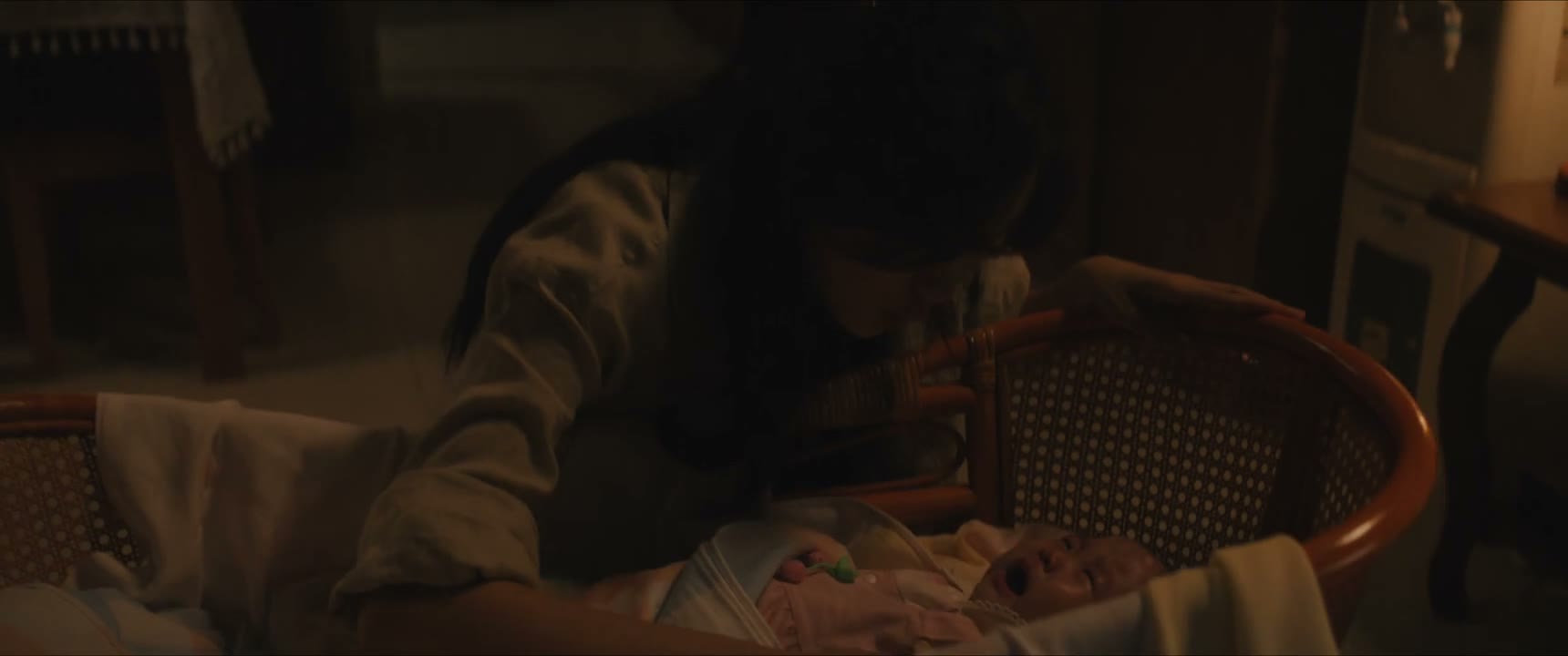
《Hold A Court Now》 S1·E3 (34:43)
HSK 5
bù kū bù kū bù kū zán bù huí fǎ yuàn zán bù huí fǎ yuàn
不哭不哭不哭 咱不回法院 咱不回法院
“Don't cry. - We won't go back to court, we won't. - Not going back.”
《Hold A Court Now》
S1·E3
TIMECODE: 34:43
·
1080P MASTER AUDIO
THE DIALOGUE REEL
bù kū bù kū bù kū zán bù huí fǎ yuàn zán bù huí fǎ yuàn
CURRENT FOCUS
不哭不哭 不哭 咱 不回法院 咱 不回法院
“Don't cry. - We won't go back to court, we won't. - Not going back.”
[+1] FOLLOW-UP TURN
bié kū le bǎo bèi
别哭了 宝贝
“Don't cry, sweetheart.”
Subtitles synced to millisecond timecode
Browse Show Clips →
Scene:
Family & Home
Function:
COMFORTING
Tone:
GENTLE AND REASSURING
Emotion:
COMPASSION
WHAT THEY REALLY MEAN (PRAGMATIC SUBTEXT)
Direct spoken expression in this communicative setting.
💡 Cultural Insight: Inclusive 'Zan' for Emotional Closeness
In Northern Chinese dialects, using '咱' (zan) instead of '我们' (women) fosters an intimate, protective bond, frequently used when comforting children or family members.
INTENT TAGS:
#comforting
#soothing
#reassurance
#protective
🧩
2 CHUNKS · 0 PARTICLES
LEARNING CHUNKS & PARTICLES
不哭不哭
SPOKEN CHUNK
don't cry, there there
A common repetitive phrase used by caregivers to soothe young children who are crying.
咱不
SPOKEN CHUNK
we won't / let's not
Using the inclusive pronoun '咱' creates immediate warmth, solidarity, and comfort.
🏮
2 EXPR · 0 GRAMMAR
VOCABULARY & EXPRESSIONS
COLLOQUIAL EXPRESSIONS:
CROSS-CINEMA CORPUS BOARD · PARALLEL SCENES
EXPLORE BY SEMANTIC SIMILARITY
Parallel Spoken Cinema Scenes (语义近邻切片)

《Hold A Court Now》 S1·E3 (34:43) · Authentic Cinema Dialogue Corpus