不哭啦不哭啦 好啦 不哭了啊
“Don't cry. Don't cry. There, there. Don't cry.”
THE DIALOGUE REEL
不提他了
“Let's not talk about him.”
不哭 啦 不哭 啦 好啦 不哭了 啊
“Don't cry. Don't cry. There, there. Don't cry.”
没事没事 不哭啦
“There, there. Don't cry.”
Direct spoken expression in this communicative setting.
In spoken Chinese, repeating short consoling imperatives with softening modal particles is the classic cultural pattern to project warmth and emotional safety.
LEARNING CHUNKS & PARTICLES
stop crying; don't cry anymore
An affectionate, gentle imperative frequently used to console crying children, partners, or grieving friends.
there, there; it's okay
Used as a soothing verbal pat on the back to de-escalate emotional distress or conclude a fuss.
Softens the imperative 'stop crying' into a gentle, nurturing plea.
Adds warmth, reassurance, and intimacy to the final consoling prompt.
VOCABULARY & EXPRESSIONS
Parallel Spoken Cinema Scenes (语义近邻切片)
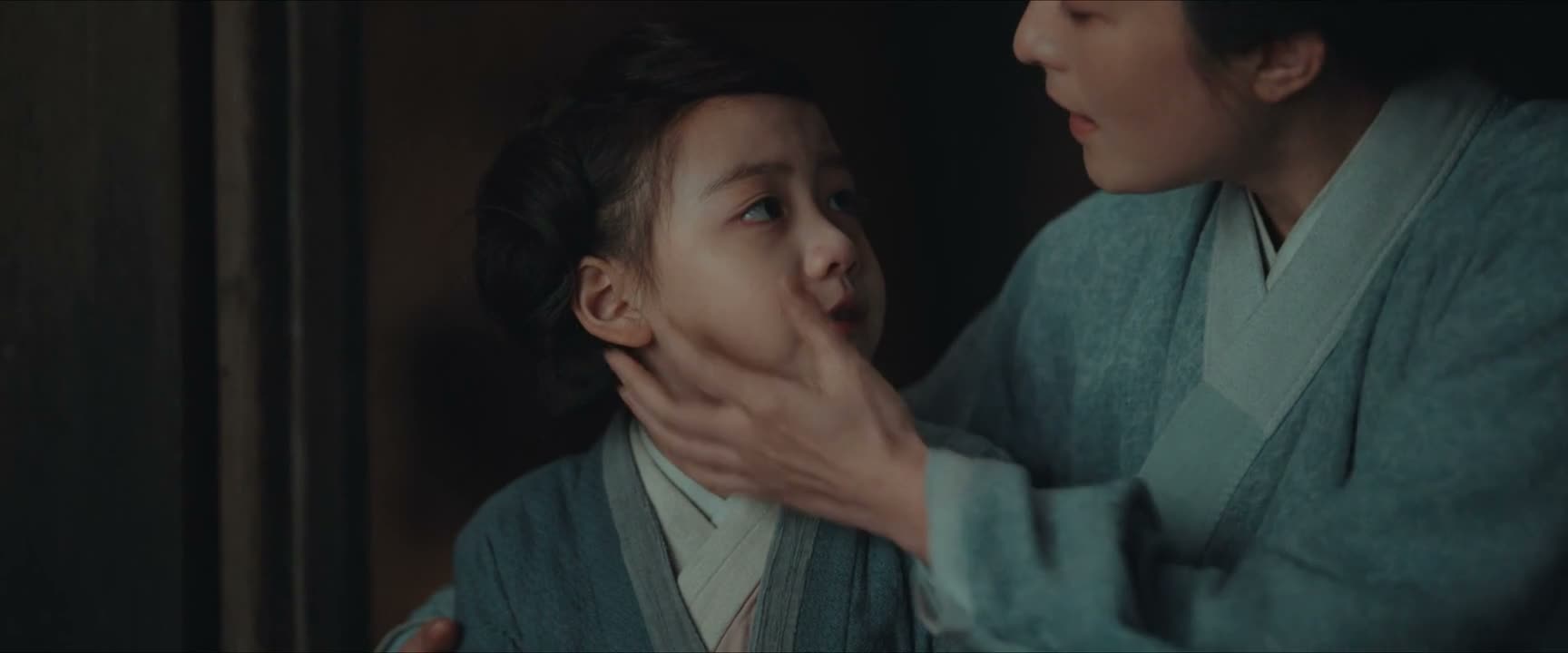
“Alright. Don't cry.”
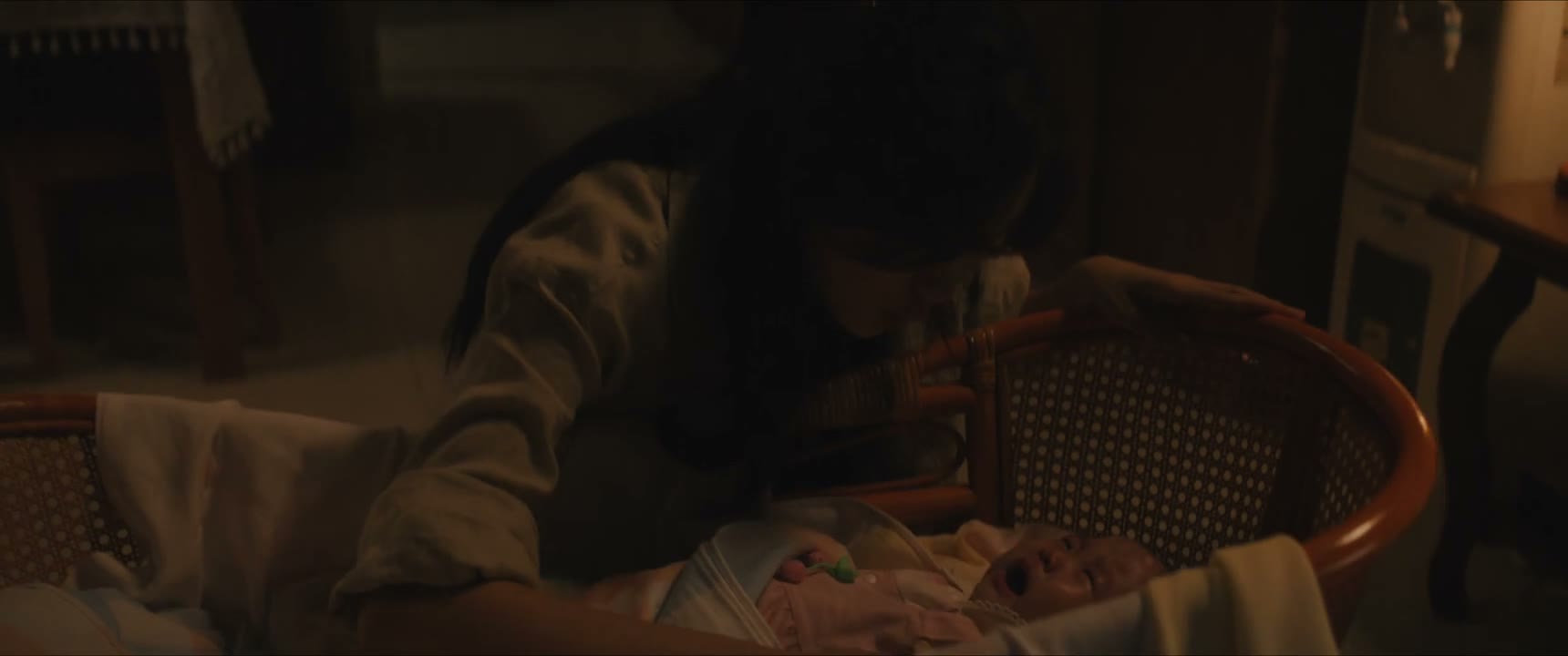
“Don't cry.”
“Alright, don't cry.”

“Don't cry. - We won't go back to court, we won't. - Not going back.”