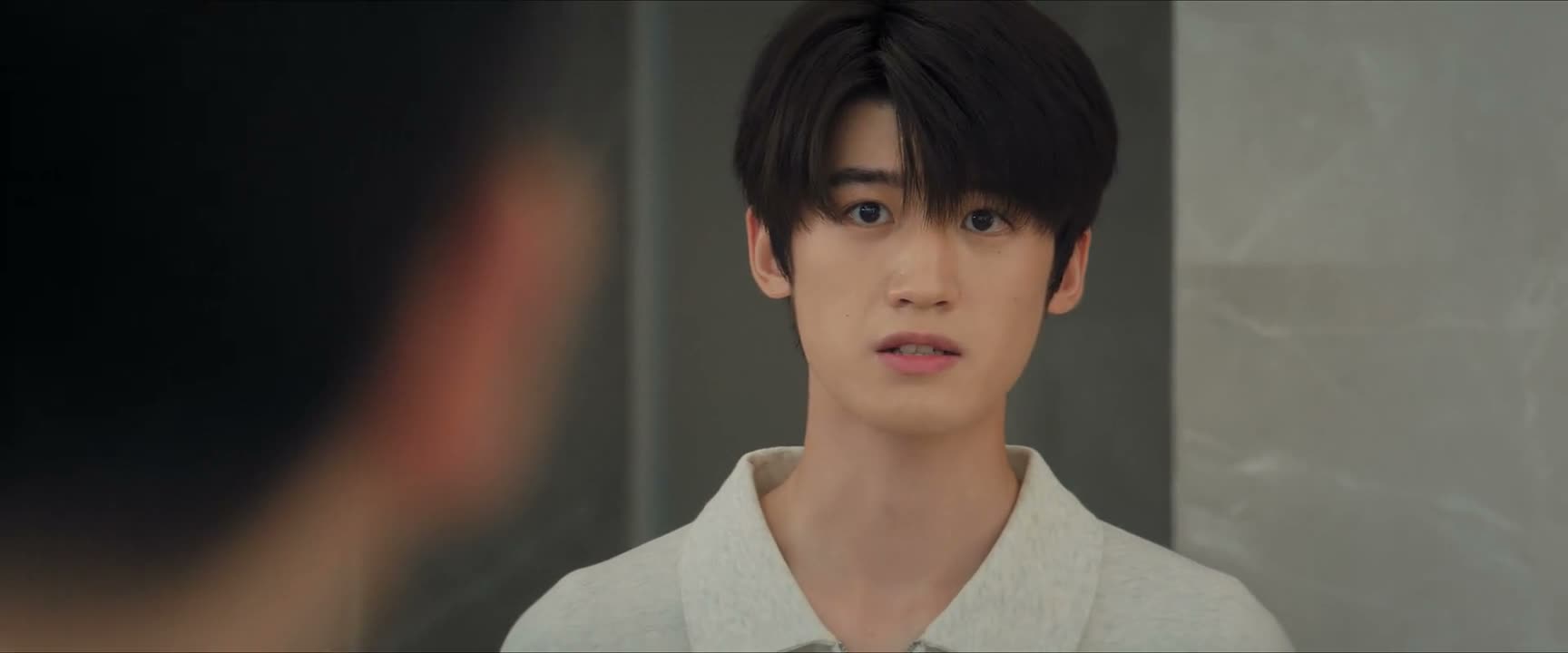
《Hold A Court Now》 S1·E3 (10:07)
HSK 7
zhè jiào nüè dài ma bào gào shěn pàn zhǎng
这叫虐待吗 报告审判长
“Is that abuse? Your Honor.”
《Hold A Court Now》
S1·E3
TIMECODE: 10:07
·
1080P MASTER AUDIO
THE DIALOGUE REEL
[-1] PREVIOUS TURN
zhè zěn me néng suàn shì nüè dài ne zhè ge zhè dǐng duō suàn guǎn jiào hái zi ya
这怎么能算是虐待呢 这个 这顶多算管教孩子呀
“How can this be considered abuse? This... At most, it's just disciplining a child.”
zhè jiào nüè dài ma bào gào shěn pàn zhǎng
CURRENT FOCUS
这叫虐待吗 报告 审判长
“Is that abuse? Your Honor.”
[+1] FOLLOW-UP TURN
yuán gào bèi gào chú le bī wǒ nǚ ér jié shí
“The plaintiff. The defendant not only forced my daughter to diet,”
Subtitles synced to millisecond timecode
Browse Show Clips →
Scene:
Legal & Police
Function:
CHALLENGING CLAIM
Tone:
INDIGNANT
Emotion:
INDIGNATION
WHAT THEY REALLY MEAN (PRAGMATIC SUBTEXT)
“Your Honor, calling this abuse is completely absurd and unsubstantiated.”
💡 Cultural Insight: Parental Discipline vs. Abuse
In Chinese legal disputes, family disputes often debate the fine line between strict traditional discipline (管教) and unlawful abuse (虐待).
INTENT TAGS:
#courtroom_objection
#formal_defense
#challenging_claim
#legal_plea
🧩
1 CHUNKS · 1 PARTICLES
LEARNING CHUNKS & PARTICLES
报告审判长
SPOKEN CHUNK
reporting to the presiding judge / Your Honor
A mandatory procedural phrase used in Chinese courtroom proceedings to address the chief judge.
Modal Particle「吗」 (ma)
CHANGE OF STATE
Turns the statement into a sharp rhetorical question challenging the opponent's assertion.
🏮
2 EXPR · 0 GRAMMAR
VOCABULARY & EXPRESSIONS
COLLOQUIAL EXPRESSIONS:
CROSS-CINEMA CORPUS BOARD · PARALLEL SCENES
EXPLORE BY SEMANTIC SIMILARITY
Parallel Spoken Cinema Scenes (语义近邻切片)

《Hold A Court Now》 S1·E3 (10:07) · Authentic Cinema Dialogue Corpus