你也算进过山了 感觉怎么样
“You've been up there. How was it?”
THE DIALOGUE REEL
好吃 有点甜
“Good. A bit sweet.”
你也算进过山了 感觉怎么样
“You've been up there. How was it?”
算进山吗
“That counts?”
Direct spoken expression in this communicative setting.
Veterans or guides frequently validate a newcomer's milestone or test their endurance by asking how they feel after their first foray into wilderness or tough terrain.
LEARNING CHUNKS & PARTICLES
can be considered as / may count as
Used to denote that something nominally qualifies as an experience, even if barely or informally.
how does it feel? / what do you think?
A versatile high-frequency phrase to ask for someone's impressions, opinions, or physical sensations.
Marks the completion of an action or an updated state, indicating that entering the mountains has now been achieved.
VOCABULARY & EXPRESSIONS
Parallel Spoken Cinema Scenes (语义近邻切片)

“about entering the mountains, I really have no confidence.”

“Besides, how can you be so sure I can't get into the mountains?”
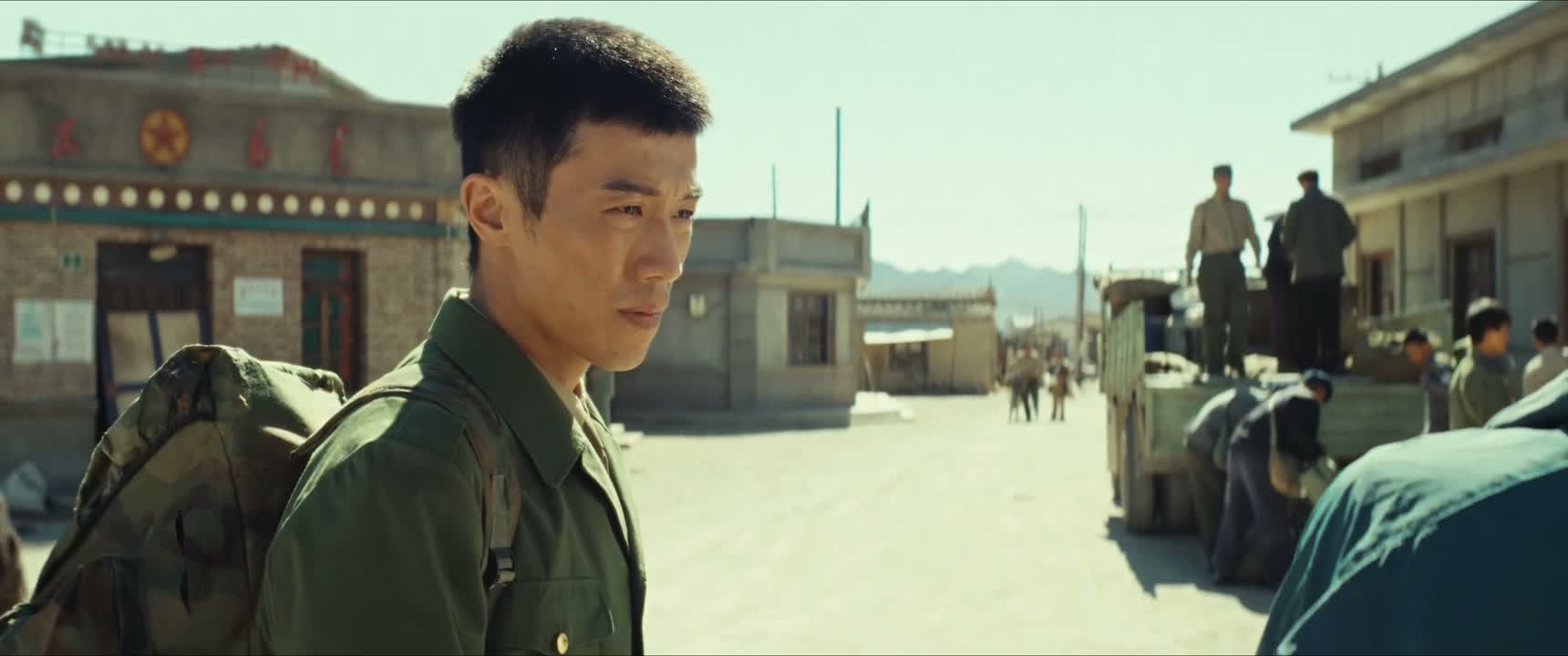
“Be careful when you enter the mountains again.”

“It’s been a year, and I still haven’t been allowed into the mountains.”

“Even if you go there, it would be in vain.”

“When you go into the mountains this time, don't forget to take it with you.”