也不是有三头六臂
“nor are we immortal gods”
THE DIALOGUE REEL
“We are not some legendary heroes,”
也不是 有 三头六臂
“nor are we immortal gods”
打不死的神仙
“who can't be killed.”
“Stop expecting miracles from us; we bleed and die just like anyone else.”
References to mythical deities ('三头六臂' as seen in figures like Nezha) are commonly used in colloquial speech to contrast mythical immortality with grim human fragility.
LEARNING CHUNKS & PARTICLES
superhuman abilities / extraordinary powers (literally 'three heads and six arms')
A mythological idiom used almost exclusively in the negative to state that someone is just an ordinary mortal with physical limits.
nor are (we) / it's not like
Used to introduce an additional point disproving an assumption or unrealistic label.
VOCABULARY & EXPRESSIONS
Parallel Spoken Cinema Scenes (语义近邻切片)
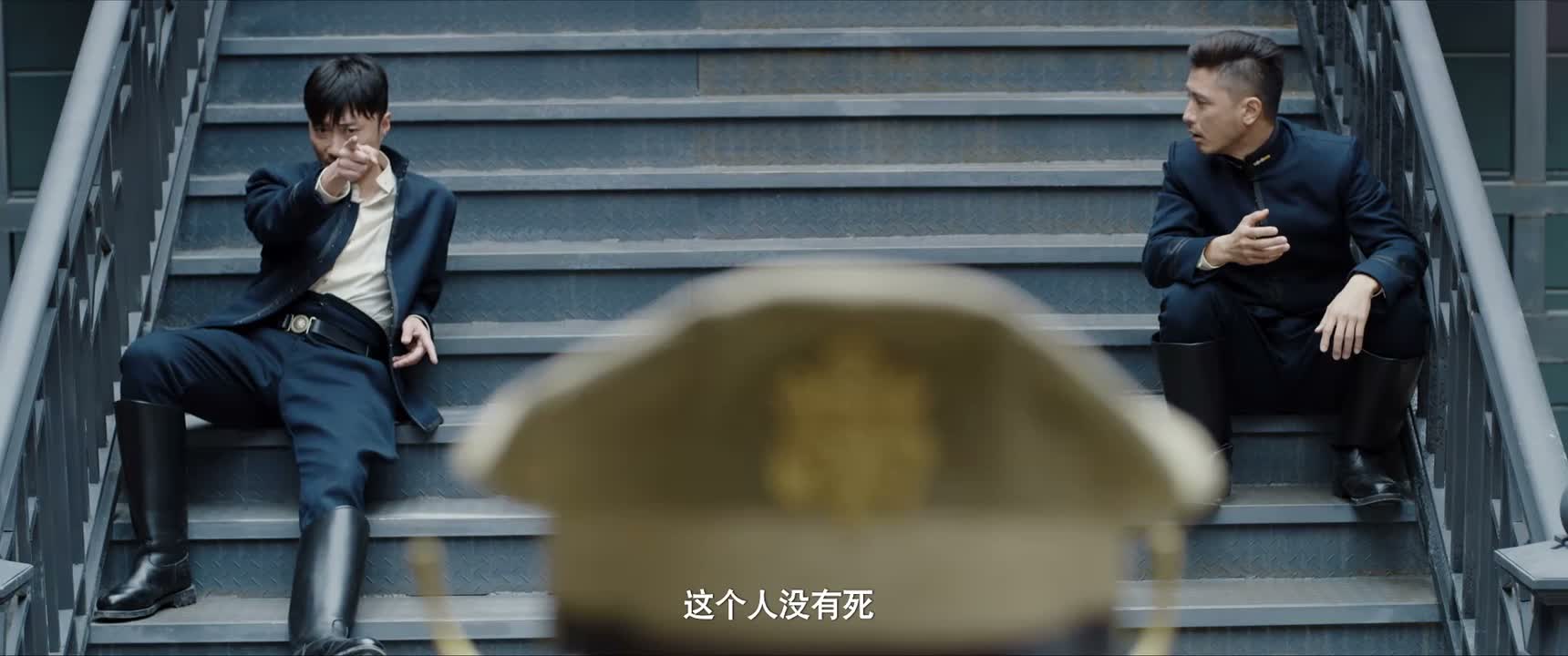
“This man is not dead.”

“If I'm not mistaken,”

“he wasn't even human.”

“but I've got no luck in love.”

“If I'm not mistaken,”

“No, he'll only be able to move his head.”