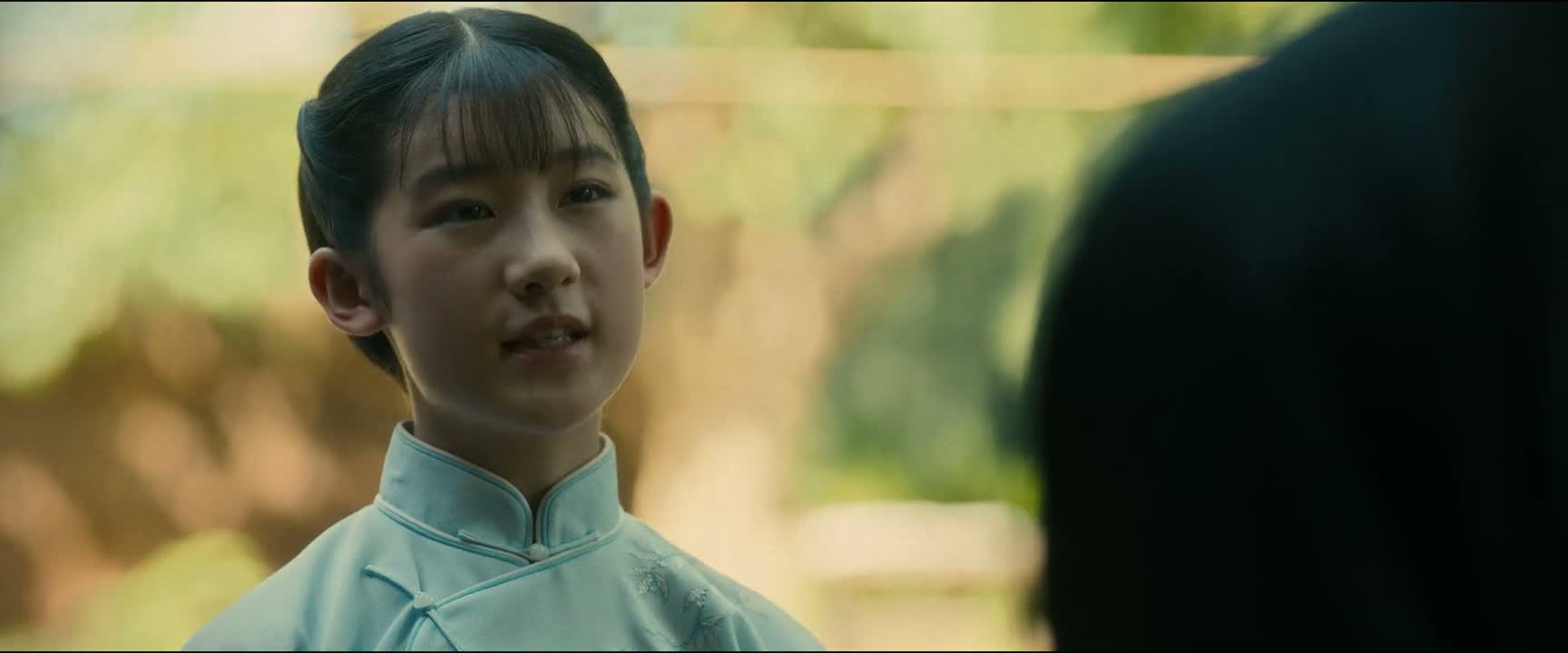
谁让你早上吃那么多 我不吃韭菜盒子就坏了
“You ate too much this morning. They would go bad if I didn't eat them.”
THE DIALOGUE REEL
女厕所没纸 给我拿张纸 我没拿纸啊 撕张作业本
“No toilet paper there. Get me some paper. I don't have any paper. Tear your exercise book.”
谁让你早上吃那么多 我不吃 韭菜盒子 就坏了
“You ate too much this morning. They would go bad if I didn't eat them.”
“I only ate that much so good food wouldn't go to waste, don't blame me!”
Traditional Chinese habits strongly discourage throwing away food, often leading people to overeat just to finish perishable leftovers.
LEARNING CHUNKS & PARTICLES
who told you to / serves you right for...
Used colloquially to assign blame or point out someone's poor decision.
pan-fried chive pocket / turnover
A popular traditional Chinese street and breakfast food filled with chives, eggs, and vermicelli.
Indicates a hypothetical future state change or consequence of inaction.
VOCABULARY & EXPRESSIONS
Parallel Spoken Cinema Scenes (语义近邻切片)

“I already had dumplings this morning. No need to treat me to lunch. That won't do.”

“don't get up so early every day to make breakfast. Let's take turns.”

“I bought you breakfast. It's on the table. Try to eat at least a little”

“You haven't had breakfast, right? I bought some for you.”
“But in the morning in the morning.”

“It took you so much time to make the breakfast. Eat before you leave. No.”