这么重 辛苦你了
“It's so heavy. Thank you so much.”
THE DIALOGUE REEL
你买的什么东西啊
“what did you buy?”
这么重 辛苦你了
“It's so heavy. Thank you so much.”
“Oh, my! I bought some special local products.”
Direct spoken expression in this communicative setting.
In Chinese culture, acknowledging another person's toil (xinku) is considered essential politeness and deep interpersonal care rather than merely saying a plain 'thank you'.
LEARNING CHUNKS & PARTICLES
thank you for your trouble / you worked hard
A staple polite formula used to express genuine gratitude when someone exerts physical effort or undertakes a difficult task for you.
Marks completion of an effort while softening the tone into a polite, empathetic acknowledgment.
VOCABULARY & EXPRESSIONS
Parallel Spoken Cinema Scenes (语义近邻切片)

“Hurry up. It's so heavy. Can you get some exercise?”

“you hit me way too hard.”

“Life has been cruel to her.”

“How could he strike so hard?”

“Maybe it's just too heavy for him.”
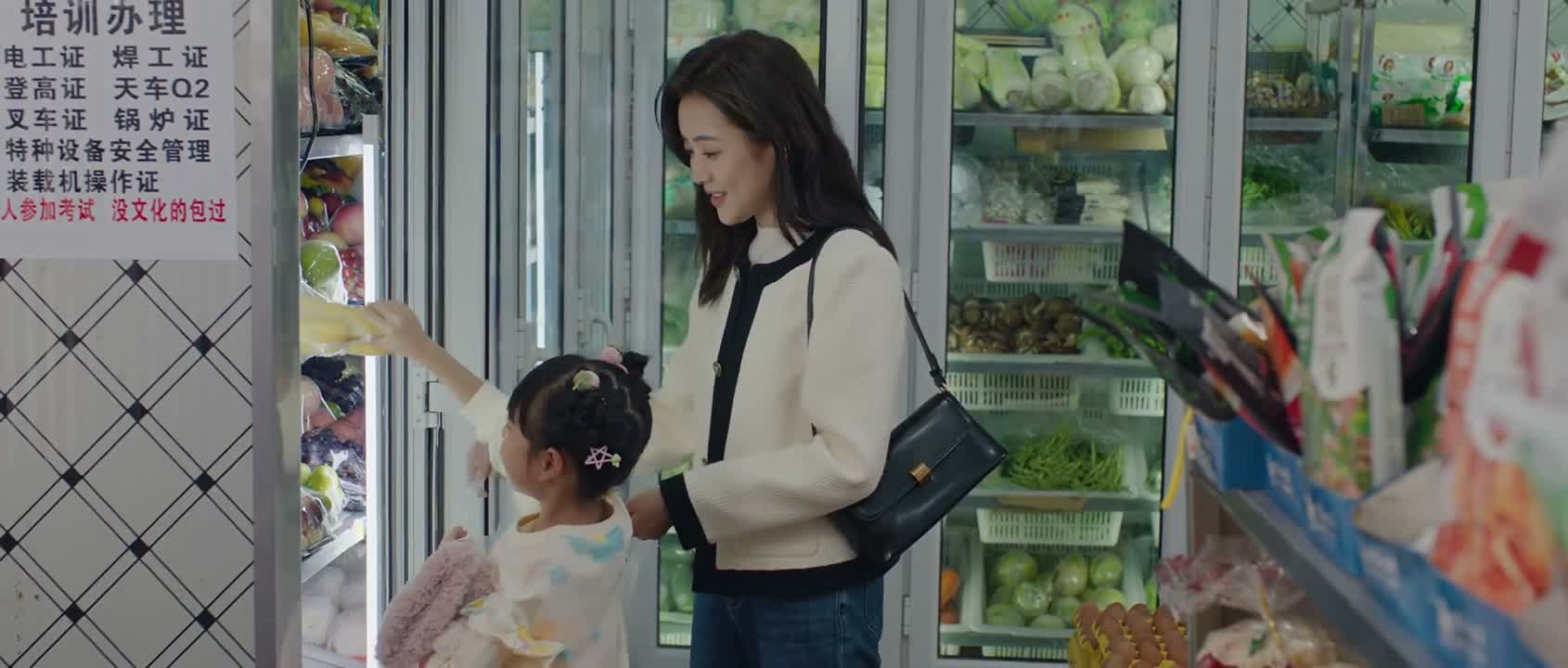
“- So heavy. - You're getting taller, Chuchu.”