你夜里不睡觉干什么坏事去了 我干坏事
“What trouble were you causing last night when you should've been sleeping? Me? Causing trouble?”
THE DIALOGUE REEL
没事没事
“Sorry, sorry.”
你夜里不睡觉 干什么坏事 去了 我干坏事
“What trouble were you causing last night when you should've been sleeping? Me? Causing trouble?”
是别人干坏事
“Someone else caused trouble”
“You were up to something suspicious last night, weren't you? Don't even try to pin that on me!”
In intimate Chinese relationships, using mock-suspicion like asking if someone was 'doing bad things' is a standard form of affectionate teasing rather than an actual accusation.
LEARNING CHUNKS & PARTICLES
up to no good; doing something mischievous or forbidden
Commonly used in playful or teasing contexts among friends and lovers to playfully accuse someone of sneaking around or staying up late.
staying up late at night instead of sleeping
Used colloquially to question why someone is still awake or why they stayed up all night.
Marks completion of an action, indicating that the alleged mischief occurred in the past night.
VOCABULARY & EXPRESSIONS
Parallel Spoken Cinema Scenes (语义近邻切片)

“Out all night? What were you up to?”
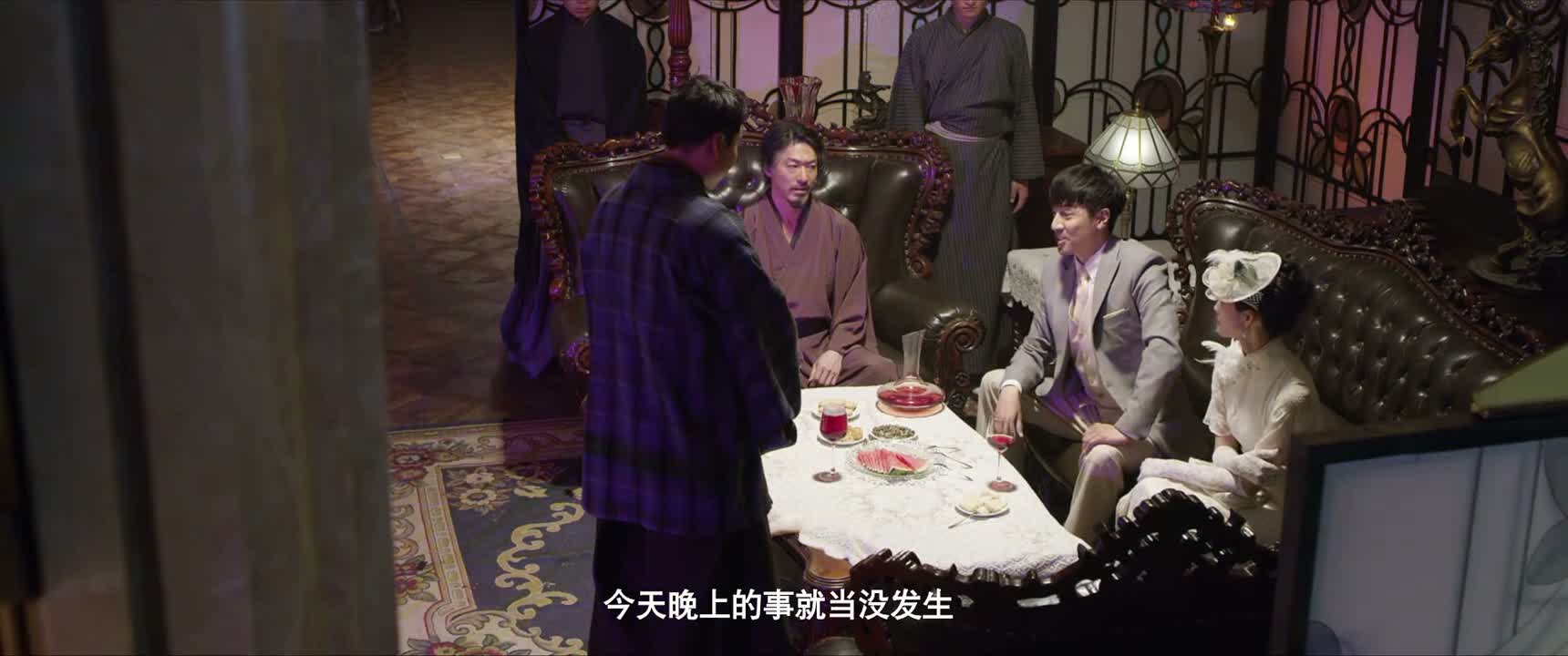
“Consider tonight's events as if they never happened.”

“Why are you up all of a sudden?”

“What are you doing up so late? Who are you talking to?”