你干什么呢 不睡觉 跟谁说话呢
“What are you doing up so late? Who are you talking to?”
THE DIALOGUE REEL
半个月吃一次肉 费霓
“Meat once every two weeks. Fei Ni.”
你干什么呢 不 睡觉 跟谁说话呢
“What are you doing up so late? Who are you talking to?”
我 我读书呢 你们先睡吧 快点睡吧
“I'm just reading. Go to sleep. Don't stay up too late.”
“Be quiet and go to sleep; what suspicious things are you up to?”
Traditional Chinese family homes or collective dormitories feature thin walls or shared rooms where any nighttime murmur immediately triggers scrutiny.
LEARNING CHUNKS & PARTICLES
What are you doing?
A very common spoken inquiry, often carrying an accusatory or questioning tone when said sharply.
Who are you talking to?
Used to question someone caught speaking out loud or secretly.
Marks an ongoing action and adds an inquisitive, slightly pressing tone to the question.
VOCABULARY & EXPRESSIONS
Parallel Spoken Cinema Scenes (语义近邻切片)
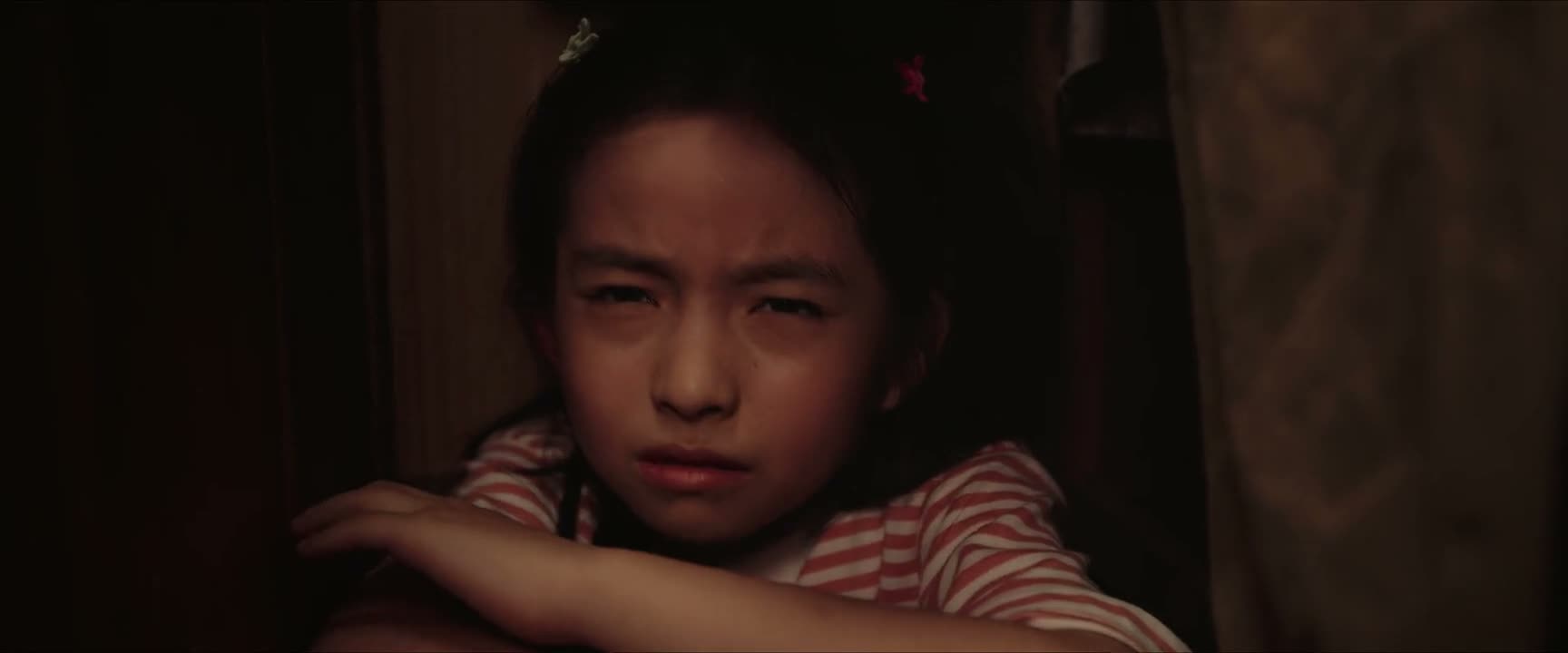
“I'm asking you what you're doing! Why aren't you saying something?”

“What trouble were you causing last night when you should've been sleeping? Me? Causing trouble?”

“I'm going home. What are you doing? Coming or not?”