你现在不在宿舍 我一人真挺无聊的
“You've moved out, and I get really bored alone.”
THE DIALOGUE REEL
我说真的
“I'm serious.”
你现在 不在 宿舍 我一人真 挺无聊的
“You've moved out, and I get really bored alone.”
我这一早就来单位锻炼身体
“That's why I came early to exercise at the office.”
Direct spoken expression in this communicative setting.
Living in communal dormitories provided by universities or state/company units creates deep, familial bonds between peers, making a roommate's absence acutely noticeable.
LEARNING CHUNKS & PARTICLES
me alone / by myself
Colloquial abbreviation of '我一个人', very commonly used in relaxed northern spoken Mandarin.
really quite boring / truly feeling bored
The combination of '真' (really) and '挺...的' (quite) intensifies the casual expression of dissatisfaction or emptiness.
Completes the adjectival predicate construction '挺...的', affirming the subjective feeling of boredom.
VOCABULARY & EXPRESSIONS
Parallel Spoken Cinema Scenes (语义近邻切片)
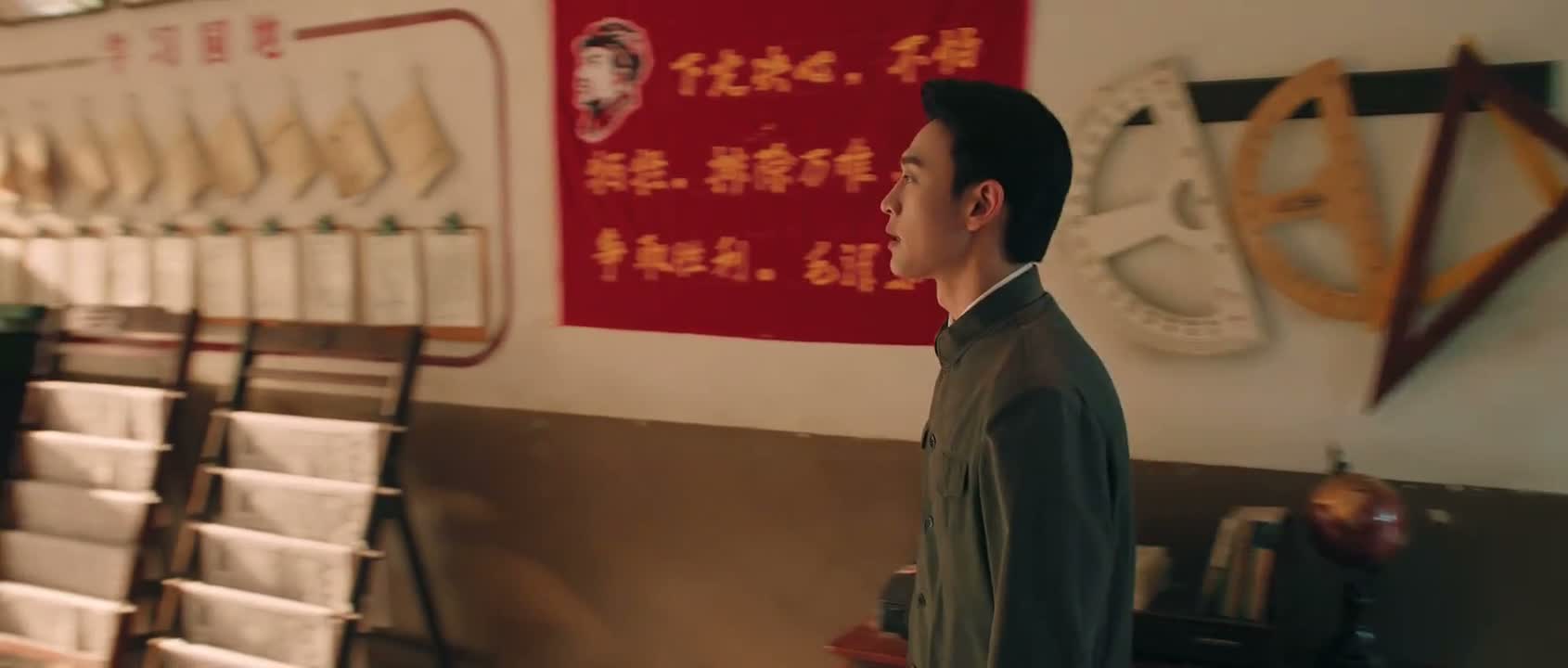
“I went to your dorm earlier, but you weren't there.”

“No dorms? Where do people live?”
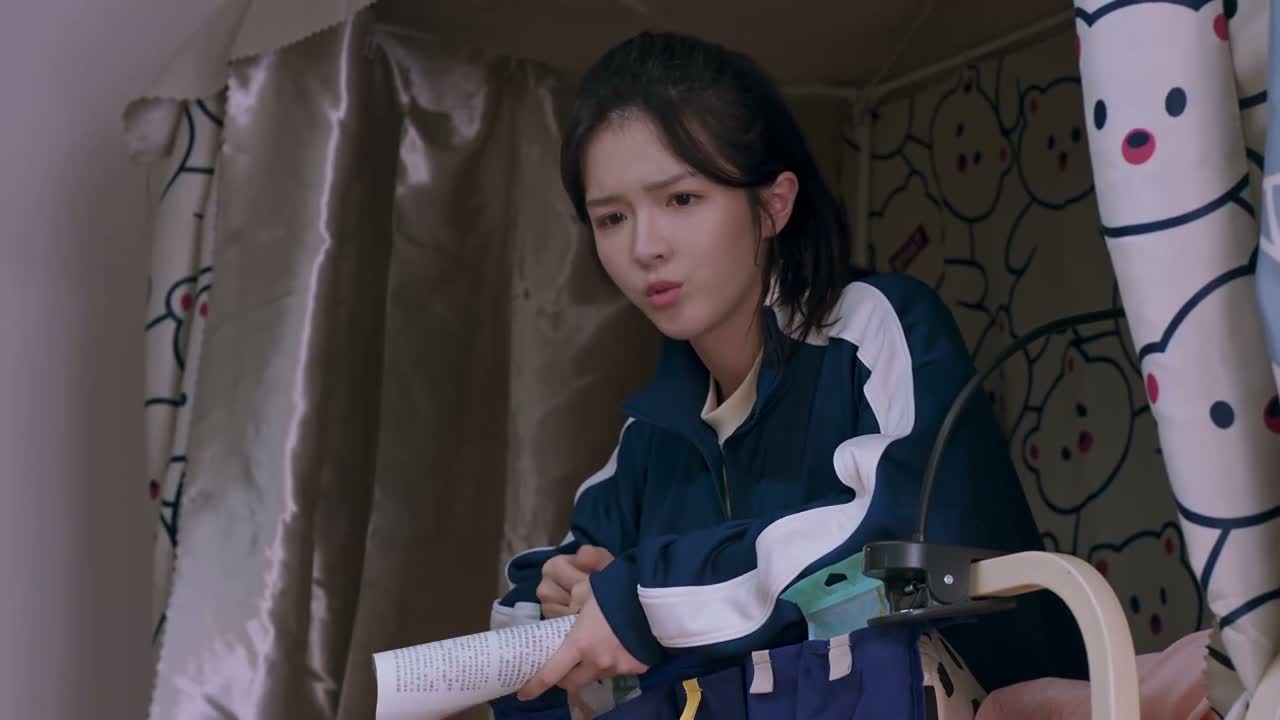
“And you didn't come back. We were so worried about you.”

“You didn't seem to sleep well in there. I'm building you your own little room.”
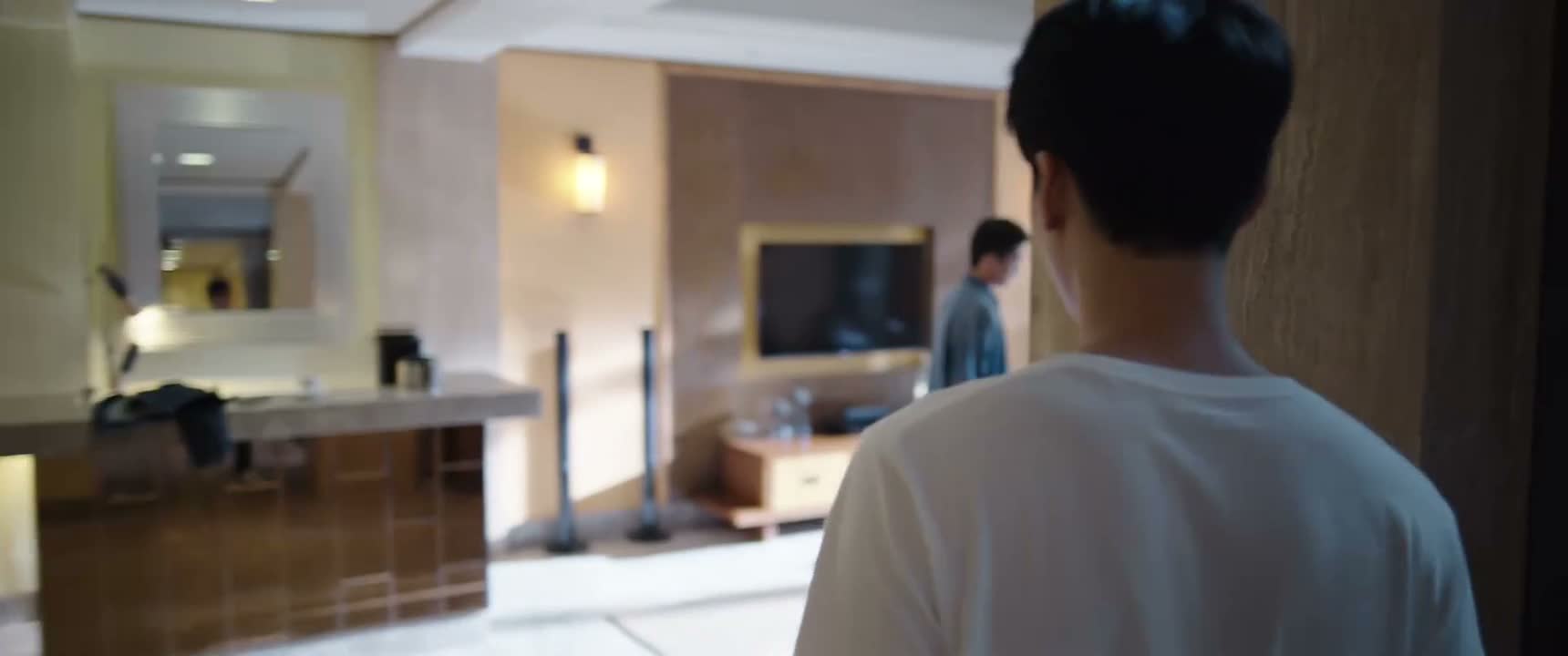
“Worried I didn't go back to the dorm?”

“I woke up and saw your bed empty in the morning, I felt really empty inside.”