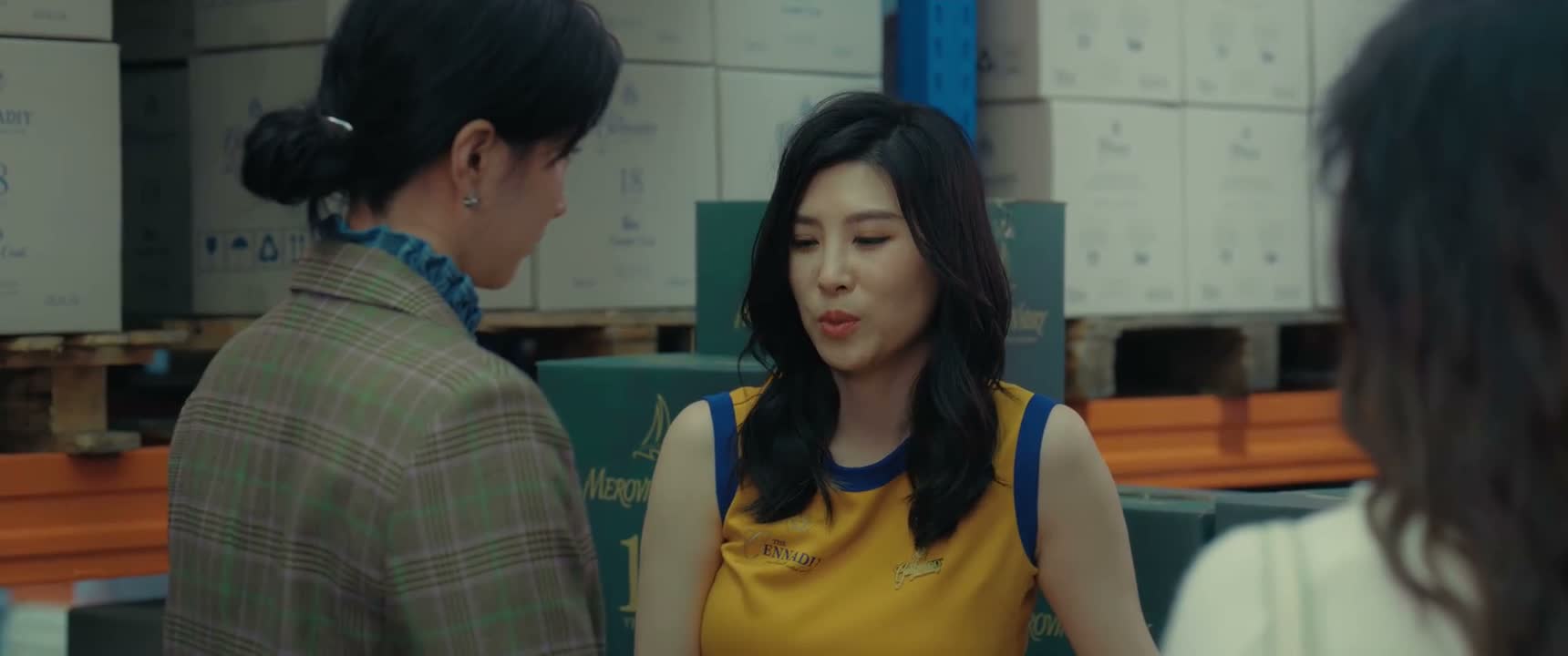
《Born to Be Alive》 S1·E19 (24:41)
HSK 3
wǒ wǒ yòu gěi nǐ rě shì le
我 我又给你惹事了
“I... I caused trouble for you again.”
《Born to Be Alive》
S1·E19
TIMECODE: 24:41
·
1080P MASTER AUDIO
THE DIALOGUE REEL
[-1] PREVIOUS TURN
duì bù qǐ
对不起
“I'm sorry.”
wǒ wǒ yòu gěi nǐ rě shì le
CURRENT FOCUS
我 我又 给你 惹事了
“I... I caused trouble for you again.”
[+1] FOLLOW-UP TURN
wǒ jué dìng le
我决定了
“I've decided.”
Subtitles synced to millisecond timecode
Browse Show Clips →
Scene:
Social & Dating
Function:
APOLOGIZING WITH SELF BLAME
Tone:
APOLOGETIC
Emotion:
GUILT
WHAT THEY REALLY MEAN (PRAGMATIC SUBTEXT)
“I feel like a constant burden to you, and I hate myself for it.”
💡 Cultural Insight: Trouble and Reciprocity (Tian Mafan)
Causing repeated trouble (添麻烦 / 惹事) carries significant emotional guilt in Chinese relationships, as one feels they are disrupting harmony and overusing their relational credit (人情).
INTENT TAGS:
#apology
#self_blame
#guilt
#vulnerability
🧩
2 CHUNKS · 1 PARTICLES
LEARNING CHUNKS & PARTICLES
惹事
SPOKEN CHUNK
cause trouble / stir up trouble
A colloquial compound commonly used when one creates problems or conflicts that others must resolve.
给你惹事
SPOKEN CHUNK
bring trouble upon you / burden you with my mess
Used when apologizing to someone who frequently bails you out or protects you.
Modal Particle「了」 (le)
CHANGE OF STATE
Marks a new development or realized state, underlining that the mistake has already happened.
🏮
2 EXPR · 0 GRAMMAR
VOCABULARY & EXPRESSIONS
COLLOQUIAL EXPRESSIONS:
CROSS-CINEMA CORPUS BOARD · PARALLEL SCENES
EXPLORE BY SEMANTIC SIMILARITY
Parallel Spoken Cinema Scenes (语义近邻切片)
《Born to Be Alive》 S1·E19 (24:41) · Authentic Cinema Dialogue Corpus