MC
MandarinClips Cinema Corpus
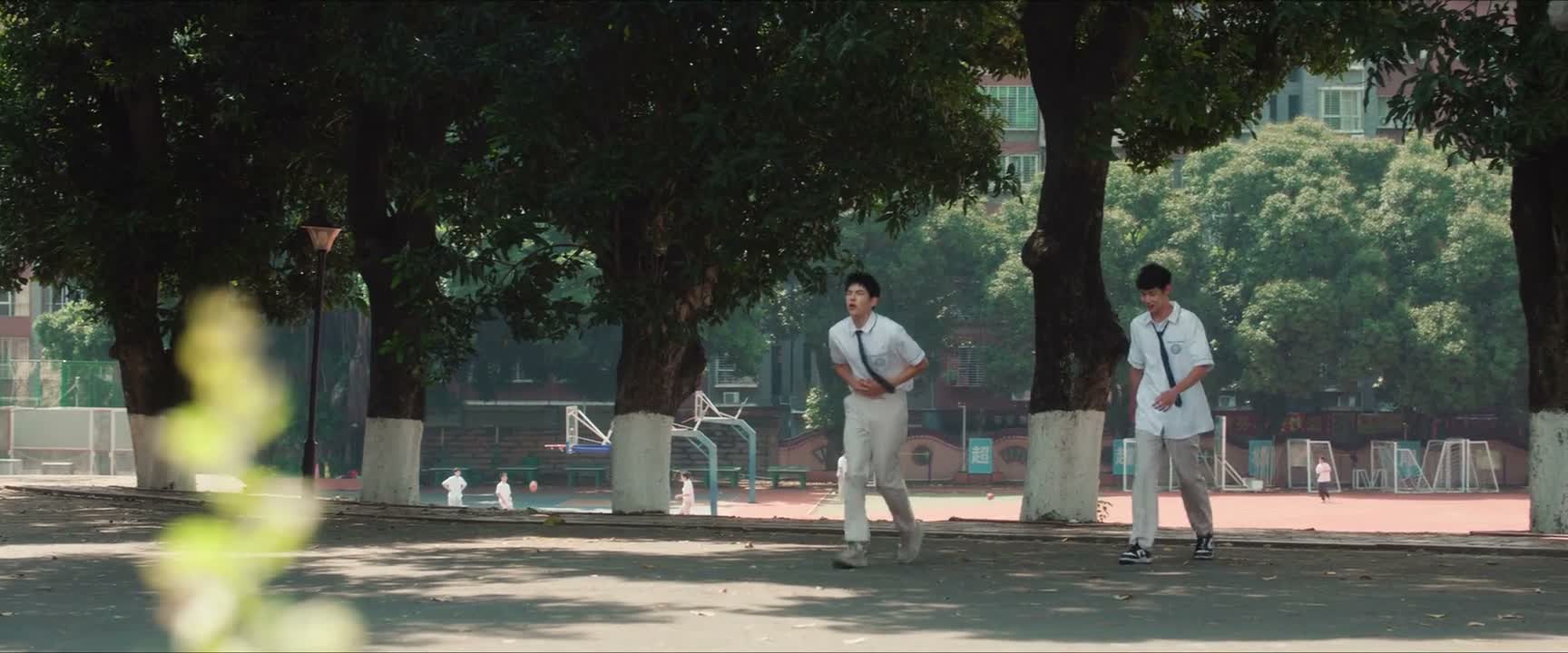
《Dog Man》 S1·E6 (40:22) HSK 6
nǐ xián wǒ shì qíng bù gòu duō ma ? wǒ zhēn de

你嫌我事情不够多吗?我真的

“I'm seriously losing my mind here.”

《Dog Man》 S1·E6
TIMECODE: 40:22 · 1080P MASTER AUDIO

THE DIALOGUE REEL

1+1+1 SPOKEN CONTINUITY
[-1] PREVIOUS TURN nǐ dào dǐ zài gǎo shén me guǐ a ?

你到底在搞什么鬼啊?

“What the hell are you doing?”

nǐ xián wǒ shì qíng bù gòu duō ma ? wǒ zhēn de CURRENT FOCUS

你 嫌我事情不够多 吗 ?我 真的

“I'm seriously losing my mind here.”

[+1] FOLLOW-UP TURN - yào fēng le - wǒ xiān máng zài dǎ gěi nǐ

- 要疯了 - 我先忙 再打给你

“- I'm getting crazy! - I'll call you back.”

Subtitles synced to millisecond timecode Browse Show Clips →
Scene: Crisis & Conflict
Function: VENTING FRUSTRATION
Tone: IMPATIENT
Emotion: FRUSTRATION
WHAT THEY REALLY MEAN (PRAGMATIC SUBTEXT)
“Stop creating more trouble for me; I am already at my breaking point!”
💡 Cultural Insight: Emotional Venting via Rhetorical Questions (反问句宣泄)

Chinese speakers frequently use negative rhetorical questions to express intense pressure and push back against perceived unreasonable demands.

INTENT TAGS: #deflection #rebuke #venting #boundary_setting
🧩

LEARNING CHUNKS & PARTICLES

2 CHUNKS · 1 PARTICLES
嫌...不够 SPOKEN CHUNK

to complain or think that something is not enough

Commonly used in rhetorical questions to express annoyance when someone adds to an already bad situation.

事情多 SPOKEN CHUNK

busy with many tasks or troubles

Colloquial way to describe being swamped with responsibilities or dealing with messy affairs.

Modal Particle「吗」 (ma) CHANGE OF STATE

Marks a rhetorical question loaded with exasperation and challenge.
🏮

VOCABULARY & EXPRESSIONS

2 EXPR · 1 GRAMMAR
CROSS-CINEMA CORPUS BOARD · PARALLEL SCENES

Parallel Spoken Cinema Scenes (语义近邻切片)

EXPLORE BY SEMANTIC SIMILARITY
《Dog Man》 S1·E6 (40:22) · Authentic Cinema Dialogue Corpus