然后流浪完就回台湾啦
“Then I came back to Taiwan.”
THE DIALOGUE REEL
总之 就反正我也去流浪啊
“Anyway, I wandered around for a while after that.”
然后流浪完就回台湾啦
“Then I came back to Taiwan.”
Direct spoken expression in this communicative setting.
In contemporary Chinese and Taiwanese popular culture, 'wandering' (流浪) carries a romantic connotation of escaping social pressure to heal emotionally before returning to reality.
LEARNING CHUNKS & PARTICLES
to roam; to wander; vagabonding
Often used romantically in Chinese pop culture to describe traveling without a set destination to find oneself.
then; after that
A very common conversational connective to string sequential life events together.
Softens the conclusion of the sentence, adding a relaxed, breezy, and casual oral flavor typical of Taiwanese Mandarin.
VOCABULARY & EXPRESSIONS
Parallel Spoken Cinema Scenes (语义近邻切片)

“You're backing out or what? I'm not going to the site.”
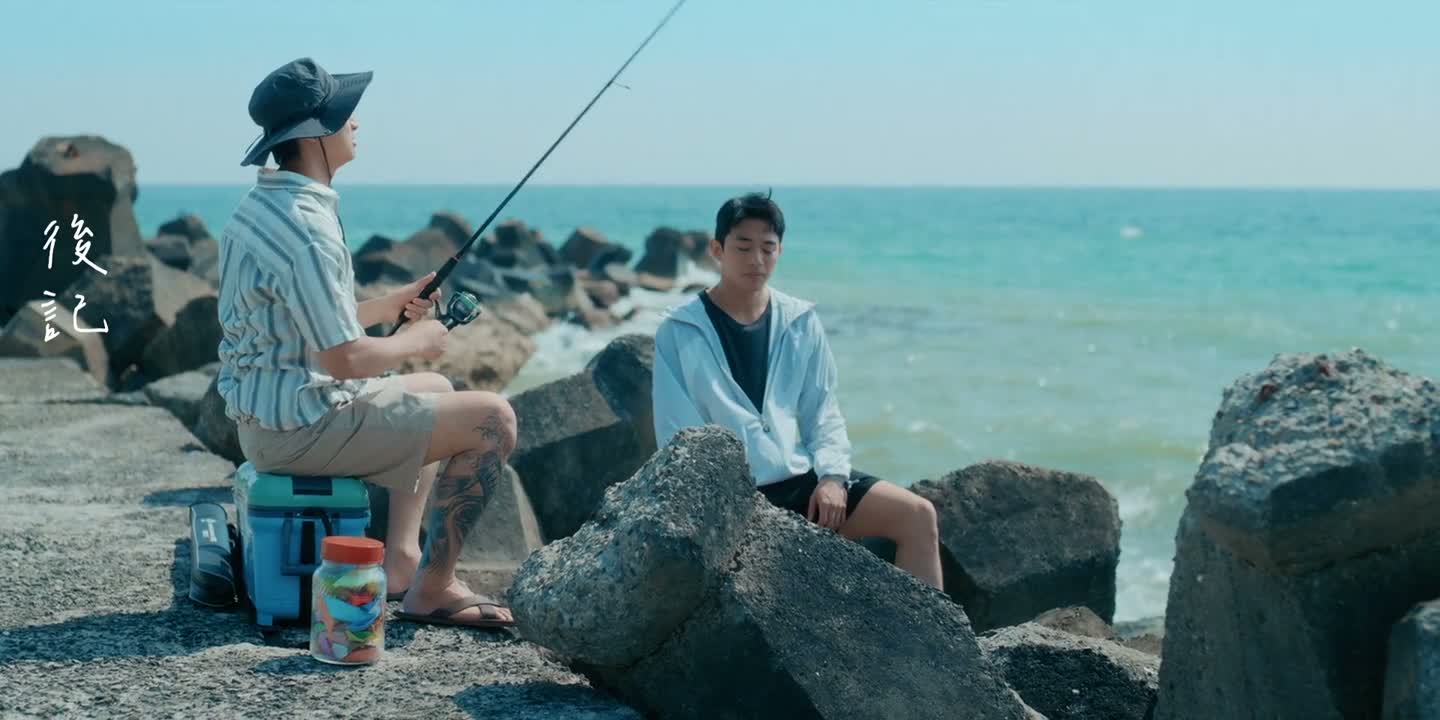
“I never went back to the main island.”
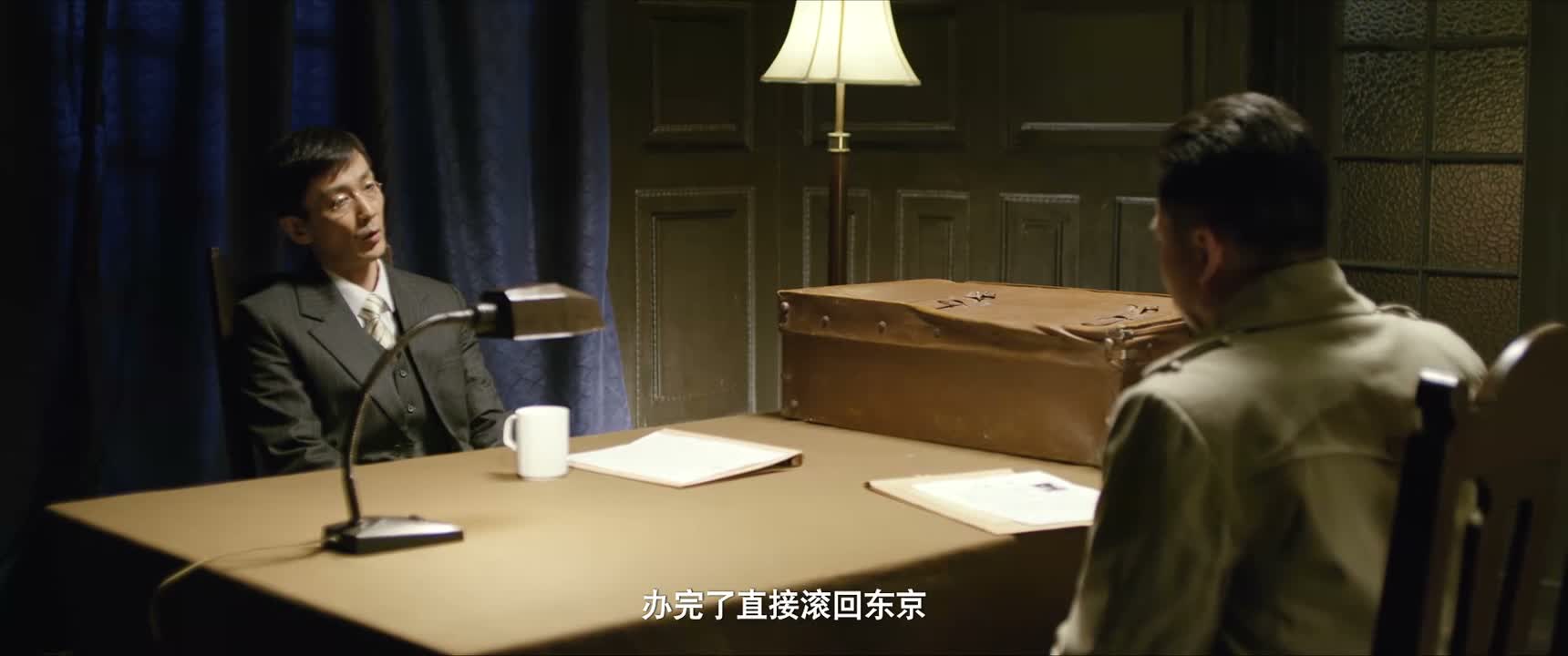
“”
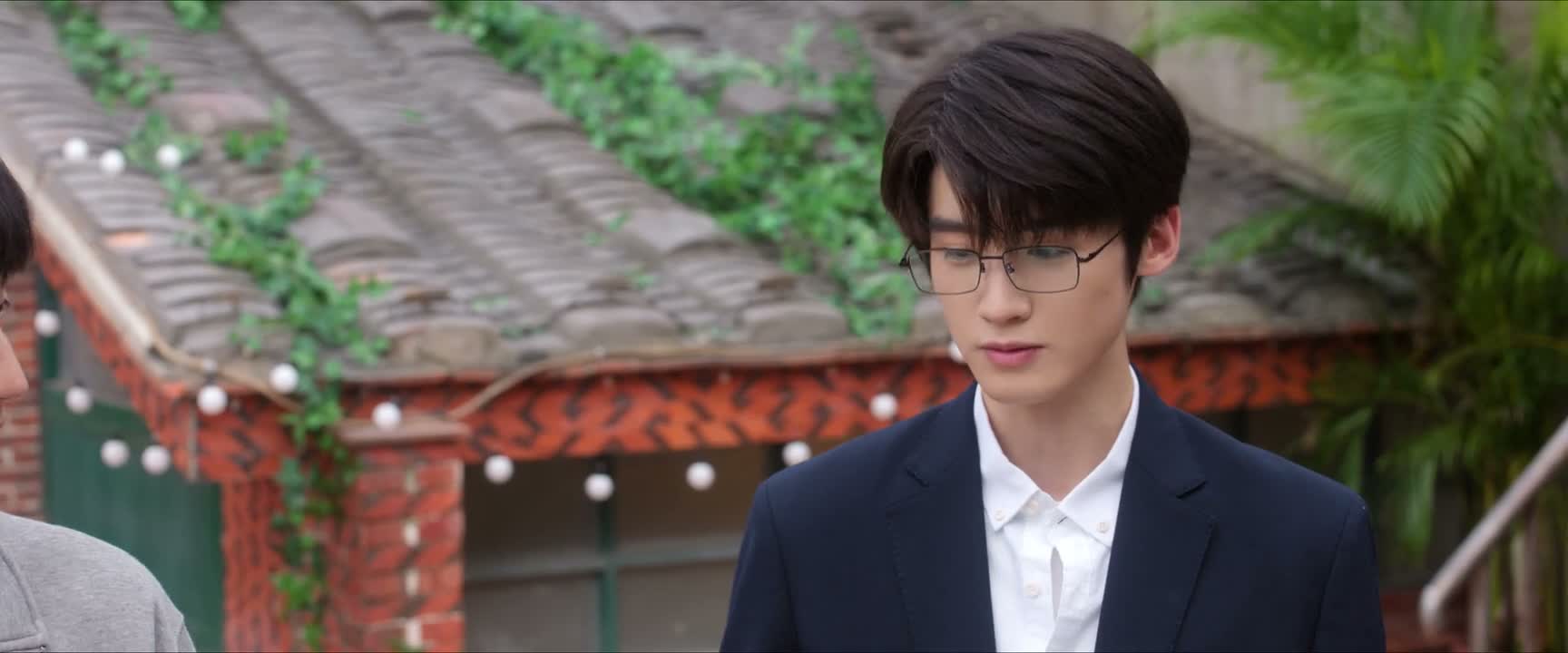
“I was planning to come back for spring break anyway.”

“I'm not leaving this time.”
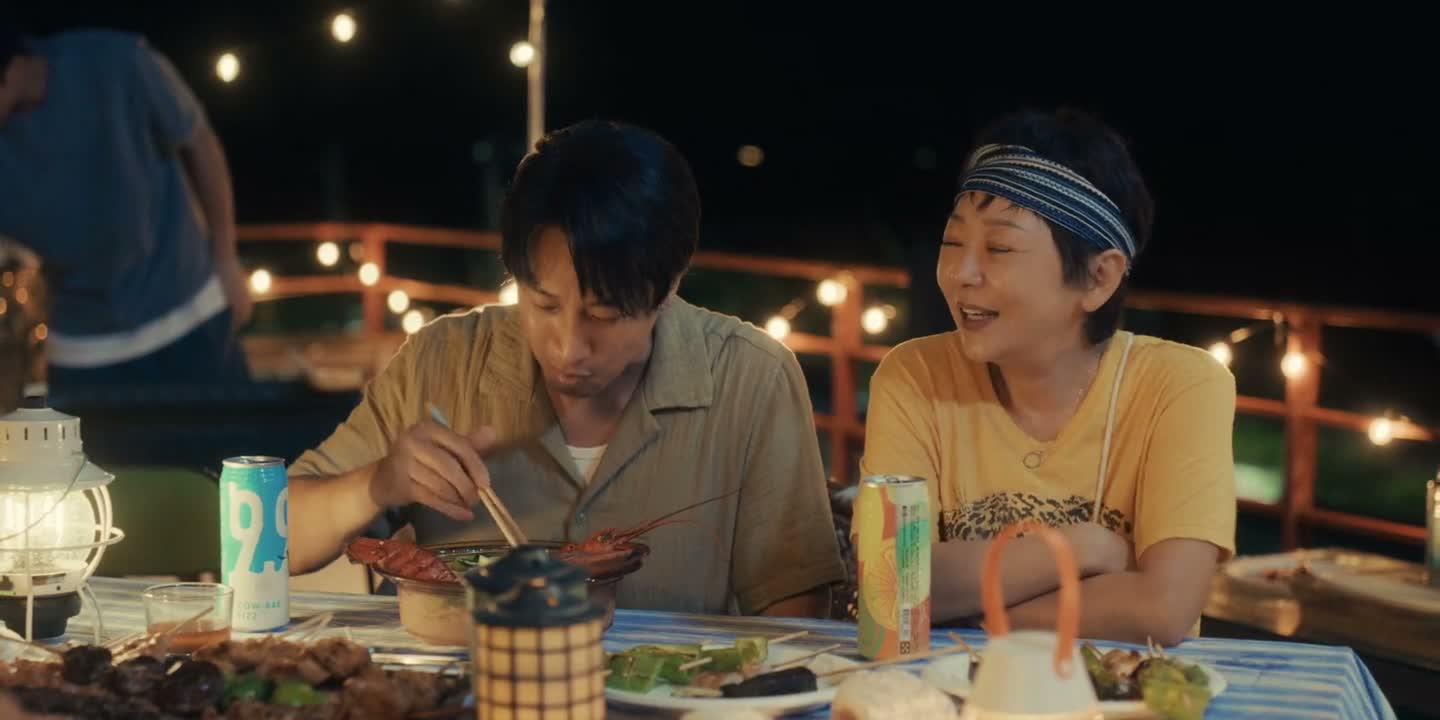
“Have you never thought about going back to the main island?”