就这样 我走出来了
“And eventually, I got over him.”
THE DIALOGUE REEL
“Then I came back to Taiwan.”
就这样 我走 出来了
“And eventually, I got over him.”
当然
“Of course you did.”
Direct spoken expression in this communicative setting.
In contemporary Chinese culture, 'walking out' (走出来) is the standard metaphorical idiom for emotional healing and regaining independence after a tragedy.
LEARNING CHUNKS & PARTICLES
just like that / in this way
A very common narrative connector used to summarize an outcome or mark the conclusion of an event.
to walk out / to overcome emotional trauma
Widely used metaphorically to mean recovering from grief, heartbreak, or depression.
Indicates a completed change of state, highlighting that the speaker has achieved recovery.
VOCABULARY & EXPRESSIONS
Parallel Spoken Cinema Scenes (语义近邻切片)

“Well. I'm going out. I'm going out now.”

“I can leave.”
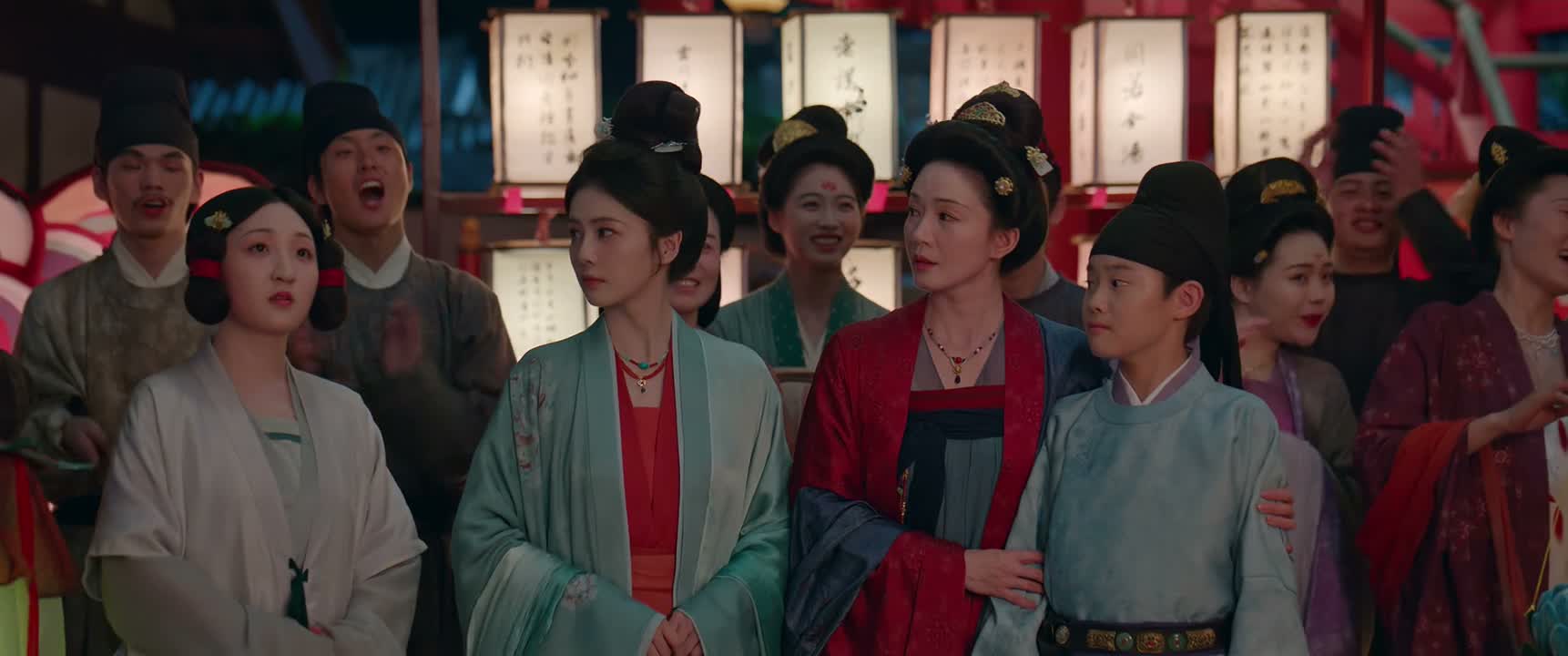
“- Bravo! - Bravo! Let's go. Truly amazing.”

“How about this? I'll cook something.”

“Now I have to go.”

“My time has come, too.”