魏严手握兵权
“Wei Yan holds military power,”
THE DIALOGUE REEL
魏严手握兵权
“Wei Yan holds military power,”
对外又有贺敬元镇守霁州
“and he has He Jingyuan guarding Jizhou against the enemies.”
“Do not get ahead of yourself; our rival controls the army and won't fall easily.”
In classical statecraft, controlling the military ('bingquan') was the ultimate arbiter of power, often deciding the fate of emperors, ministers, and entire dynasties.
LEARNING CHUNKS & PARTICLES
wielding military power in one's hands
Commonly used in political or historical contexts to describe commanders or officials who control the armed forces.
Parallel Spoken Cinema Scenes (语义近邻切片)

“[Peace at the border] Wei Yan not only abuses power,”
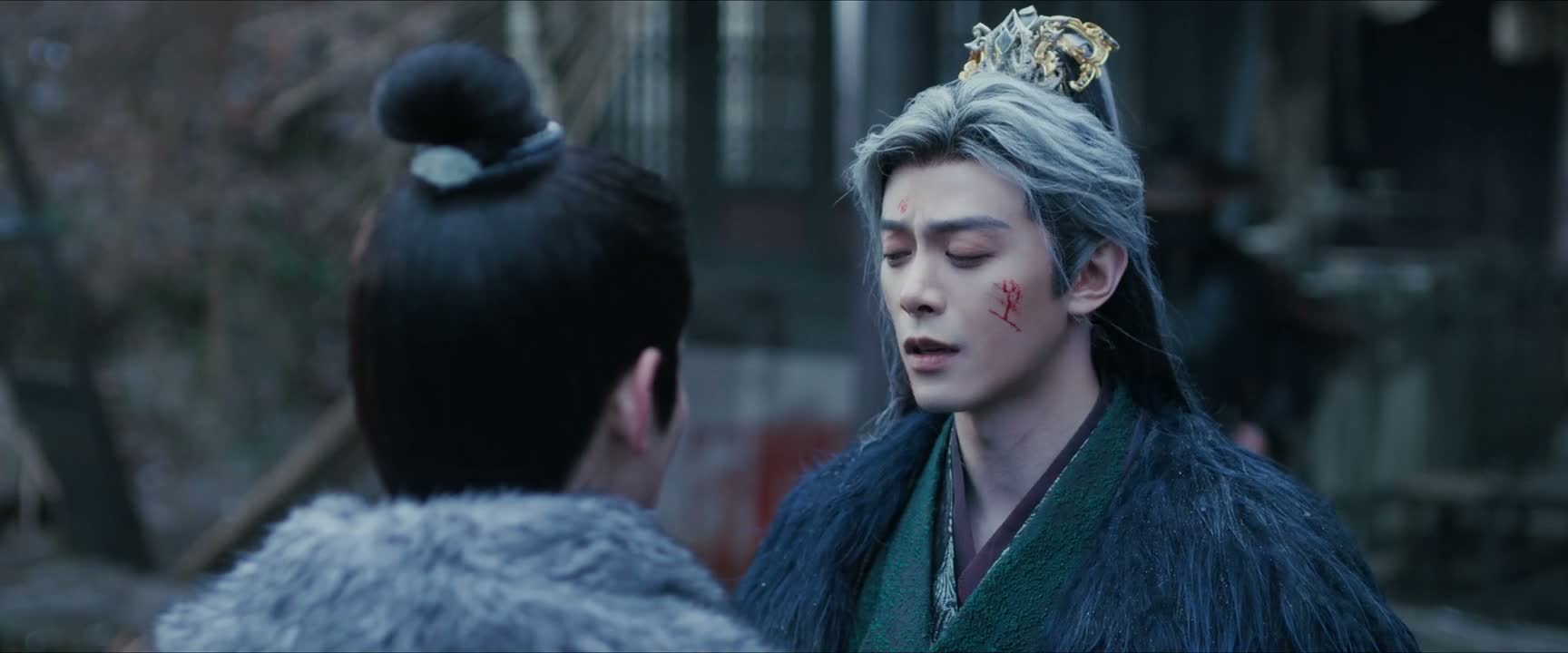
“but Wei Yan will also remain in power for decades,”

“Wei Yan secretly dealt with the household guards from that year.”

“Do you think Wei Yan is that easy to defeat?”

“If Wei Yan knows it,”
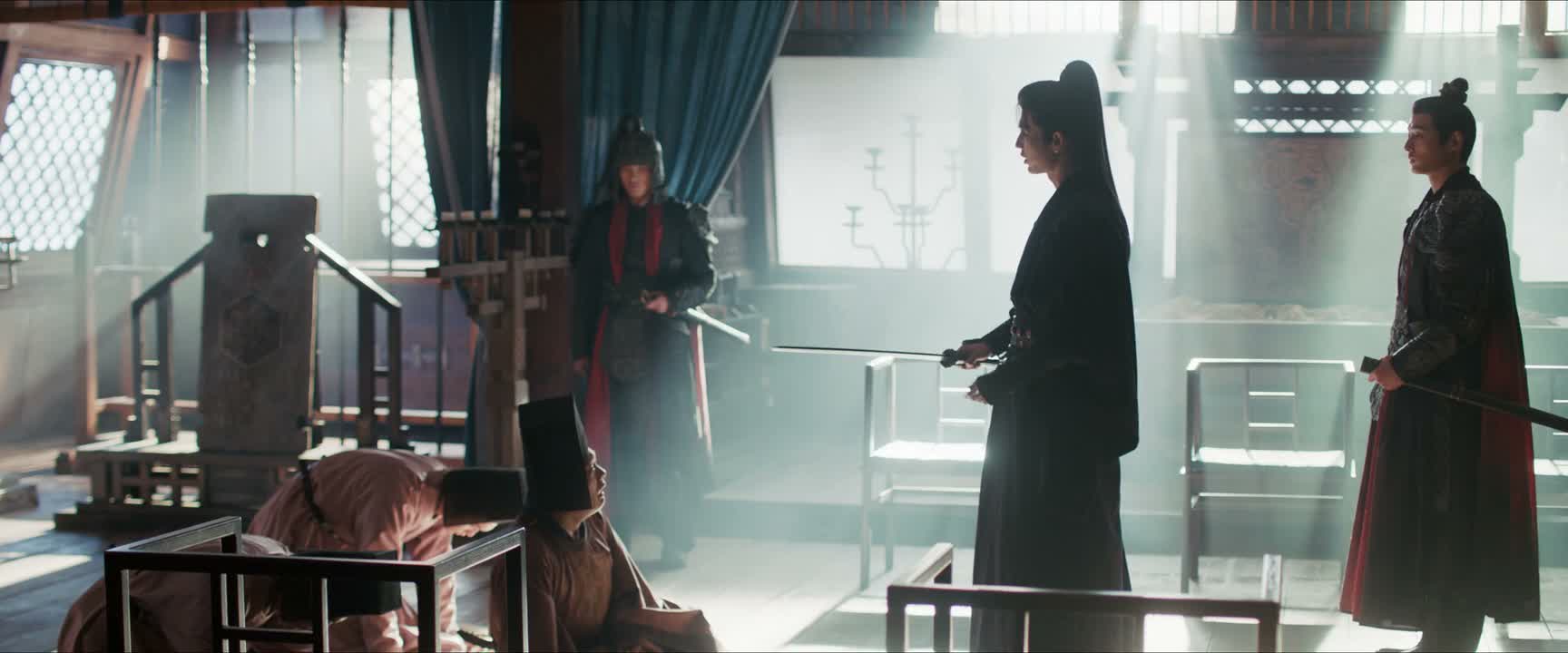
“he ascended to the throne with Wei Yan's help.”