《The Guilty》 S1·E5 (05:33)
HSK 5
nǐ bié dǎ le zài dǎ bào jǐng le
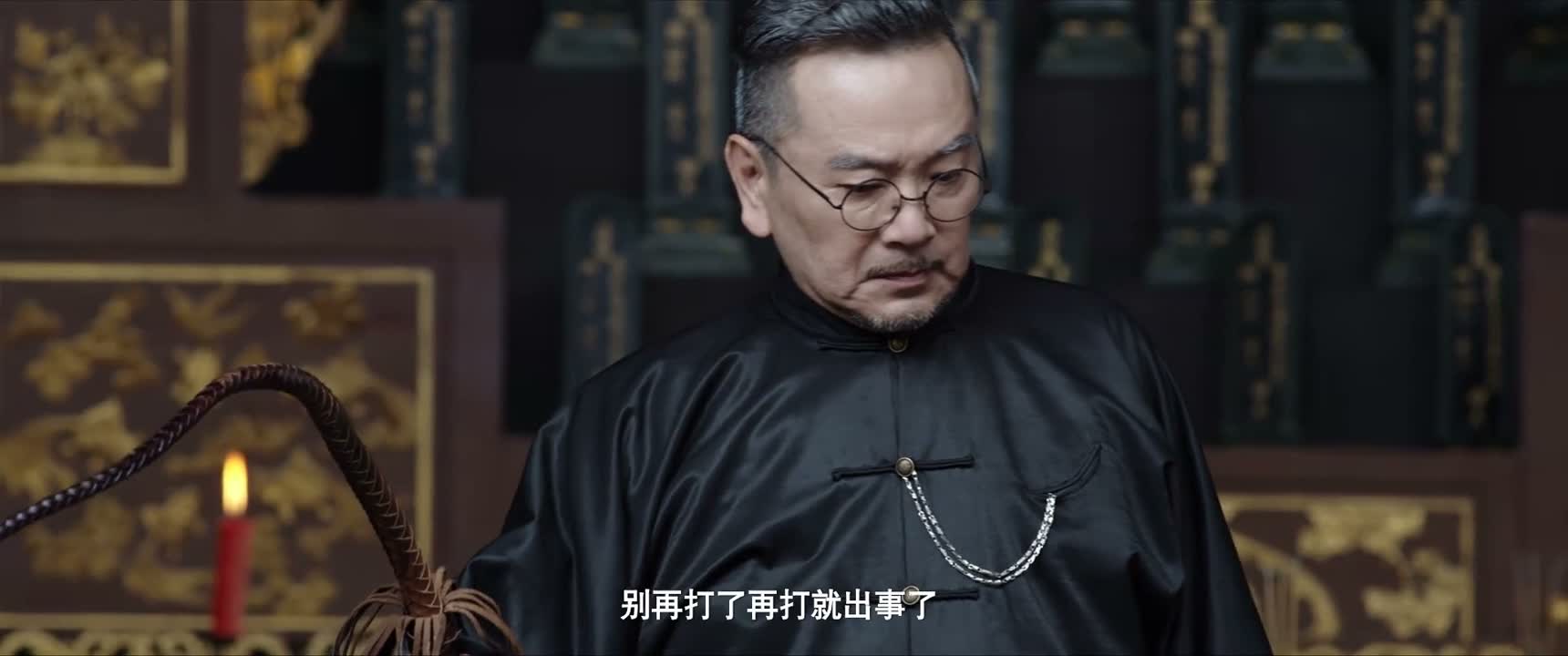
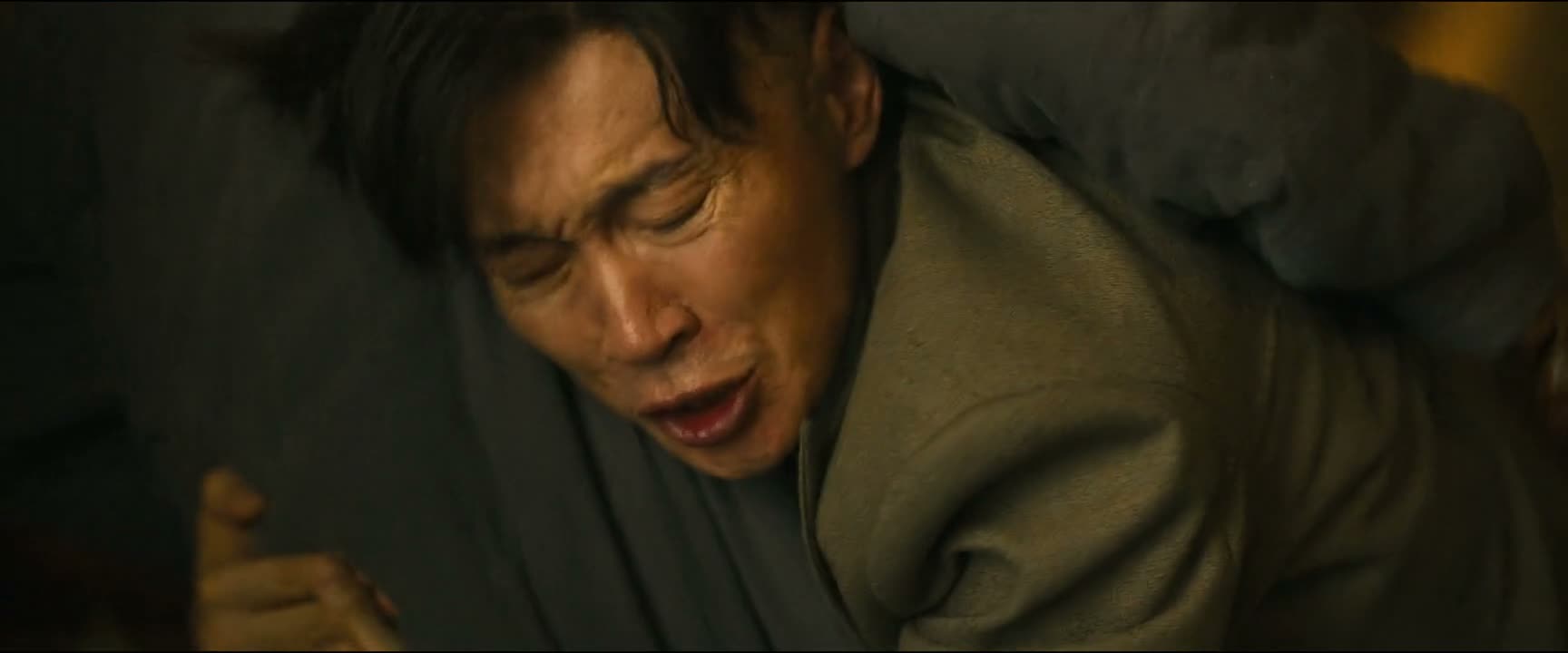
你别打了 再打报警了
“Stop hitting me! Or I'll call the police!”
《The Guilty》
S1·E5
TIMECODE: 05:33
·
1080P MASTER AUDIO
THE DIALOGUE REEL
[-1] PREVIOUS TURN
lù míng
陆鸣
“Lu Ming!”
nǐ bié dǎ le zài dǎ bào jǐng le
CURRENT FOCUS
你 别打了 再打 报警了
“Stop hitting me! Or I'll call the police!”
[+1] FOLLOW-UP TURN
wǒ zhī dào nǐ men shā le mǎ kē
我知道你们杀了马科
“I know you killed Ma Ke.”
Subtitles synced to millisecond timecode
Browse Show Clips →
Scene:
Crisis & Conflict
Function:
WARNING AND PROHIBITION
Tone:
URGENT
Emotion:
FEAR
WHAT THEY REALLY MEAN (PRAGMATIC SUBTEXT)
Direct spoken expression in this communicative setting.
💡 Cultural Insight: Calling the Police as Escalation Deterrent
Invoking law enforcement ('报警') serves as the standard verbal escalation threshold to halt street brawls or domestic altercations.
INTENT TAGS:
#warning
#threat
#de-escalation
#stopping_violence
🧩
2 CHUNKS · 1 PARTICLES
LEARNING CHUNKS & PARTICLES
别打了
SPOKEN CHUNK
stop fighting / stop hitting
A direct imperative used to stop an ongoing physical fight.
报警
SPOKEN CHUNK
call the police
A common verb used as a deterrent or action when facing immediate threats or crimes.
Modal Particle「了」 (le)
CHANGE OF STATE
Indicates an imminent consequence or shift to a new state if the action continues.
🏮
2 EXPR · 0 GRAMMAR
VOCABULARY & EXPRESSIONS
COLLOQUIAL EXPRESSIONS:
CROSS-CINEMA CORPUS BOARD · PARALLEL SCENES
EXPLORE BY SEMANTIC SIMILARITY
Parallel Spoken Cinema Scenes (语义近邻切片)
《The Guilty》 S1·E5 (05:33) · Authentic Cinema Dialogue Corpus