那太可惜了 对啊
“What a pity. Yeah.”
THE DIALOGUE REEL
这样啊
“I see.”
那 太可惜了 对啊
“What a pity. Yeah.”
就是
“Exactly.”
Direct spoken expression in this communicative setting.
In Chinese social interaction, phrases like '太可惜了' and '对啊' are vital backchanneling devices that validate the speaker's feelings and maintain harmony.
LEARNING CHUNKS & PARTICLES
what a pity / such a shame
A highly common fixed expression used to express sincere or polite regret about an unfortunate situation.
yeah / exactly
A casual conversational filler used to show active listening and total agreement with the interlocutor.
Functions as part of the '太...了' construction to mark an exclamation or emotional emphasis.
Softens the agreement and reinforces interpersonal rapport.
VOCABULARY & EXPRESSIONS
Parallel Spoken Cinema Scenes (语义近邻切片)

“What a pity. Indeed.”

“That's a shame.”
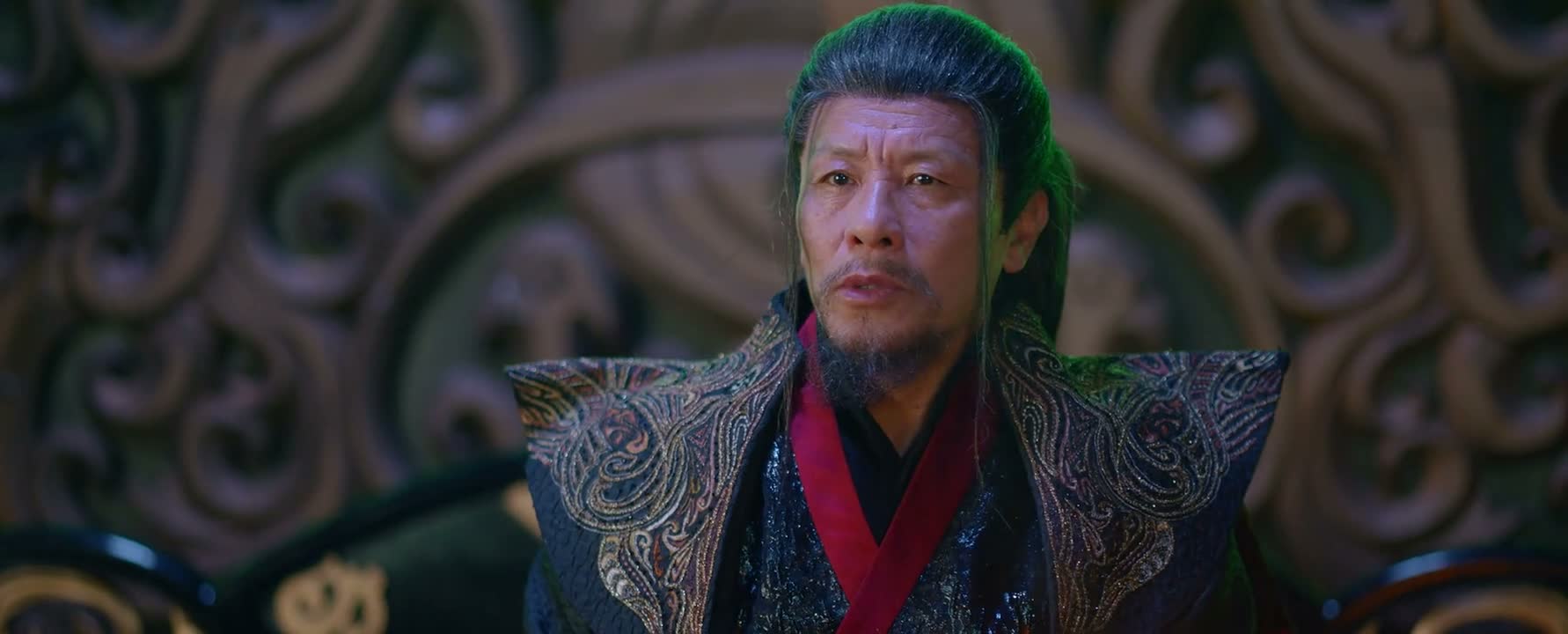
“Tragic... truly tragic.”

“That's a real shame.”

“It's truly a pity.”

“What a pity.”