中二吧 你理他干啥 我刚才想通了
“Come on, ignore him. I've changed my mind!”
THE DIALOGUE REEL
李总 李总我想 我想了 我 我觉得可以的
“Mr. Li, I... I'm happy to take your offer up!”
中二 吧 你 理他干啥 我刚才 想通了
“Come on, ignore him. I've changed my mind!”
“Emotional intelligence is not needed now. We're not scared of anyone.”
“Ignore that weirdo—we don't need to play nice or kiss up to anyone anymore.”
While high 'emotional intelligence' (qingshang) and tactful subservience are traditionally valued in Chinese offices, younger generations increasingly rebel against performative politeness when it feels degrading.
LEARNING CHUNKS & PARTICLES
immature, chuunibyou, delusional or overly dramatic
Originally borrowed from Japanese anime culture ('eighth-grader syndrome'), widely used in colloquial Chinese to mock someone acting melodramatic or out of touch with reality.
to figure things out / to finally see the light / to come around
Used when someone has mentally untangled a dilemma or reached an internal breakthrough.
Expresses a casual, speculative evaluation or dismissive assessment.
VOCABULARY & EXPRESSIONS
Parallel Spoken Cinema Scenes (语义近邻切片)

“Gosh, your sister?”

“Your sister found a hotel for 10 yuan a night. It's too expensive.”
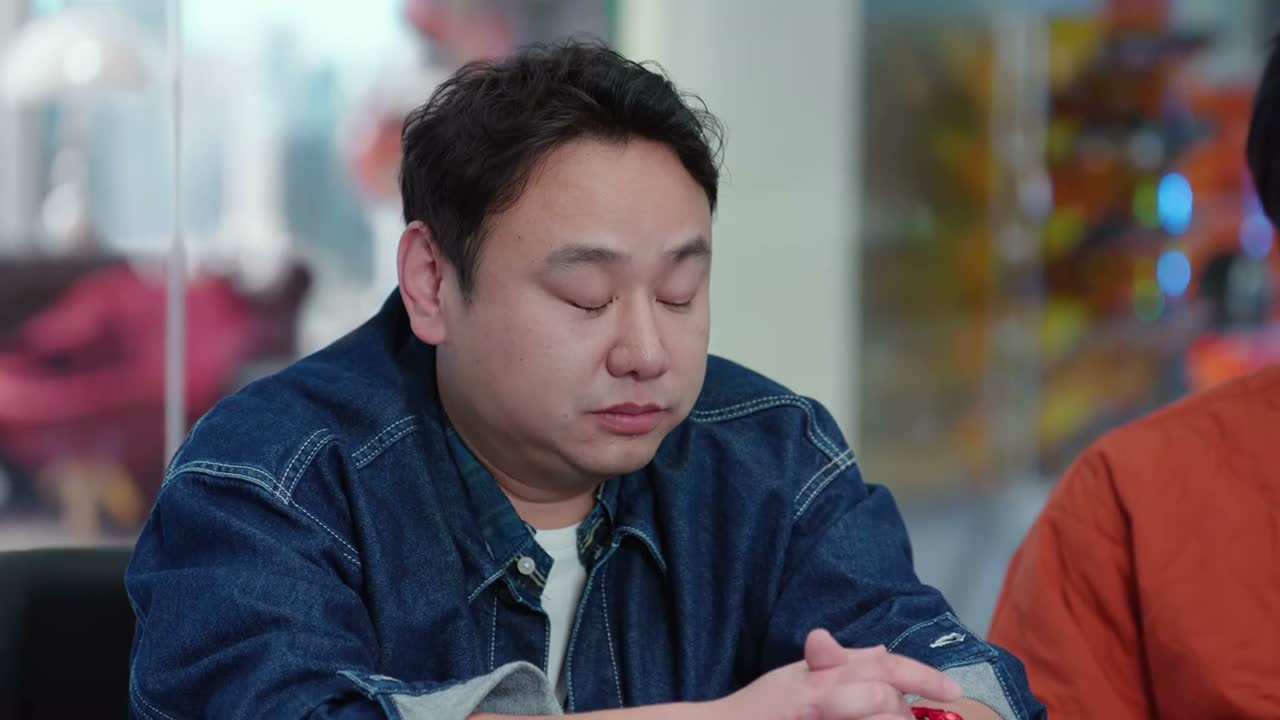
“Tu, after all that you have said, it is clear you still have not figured out”
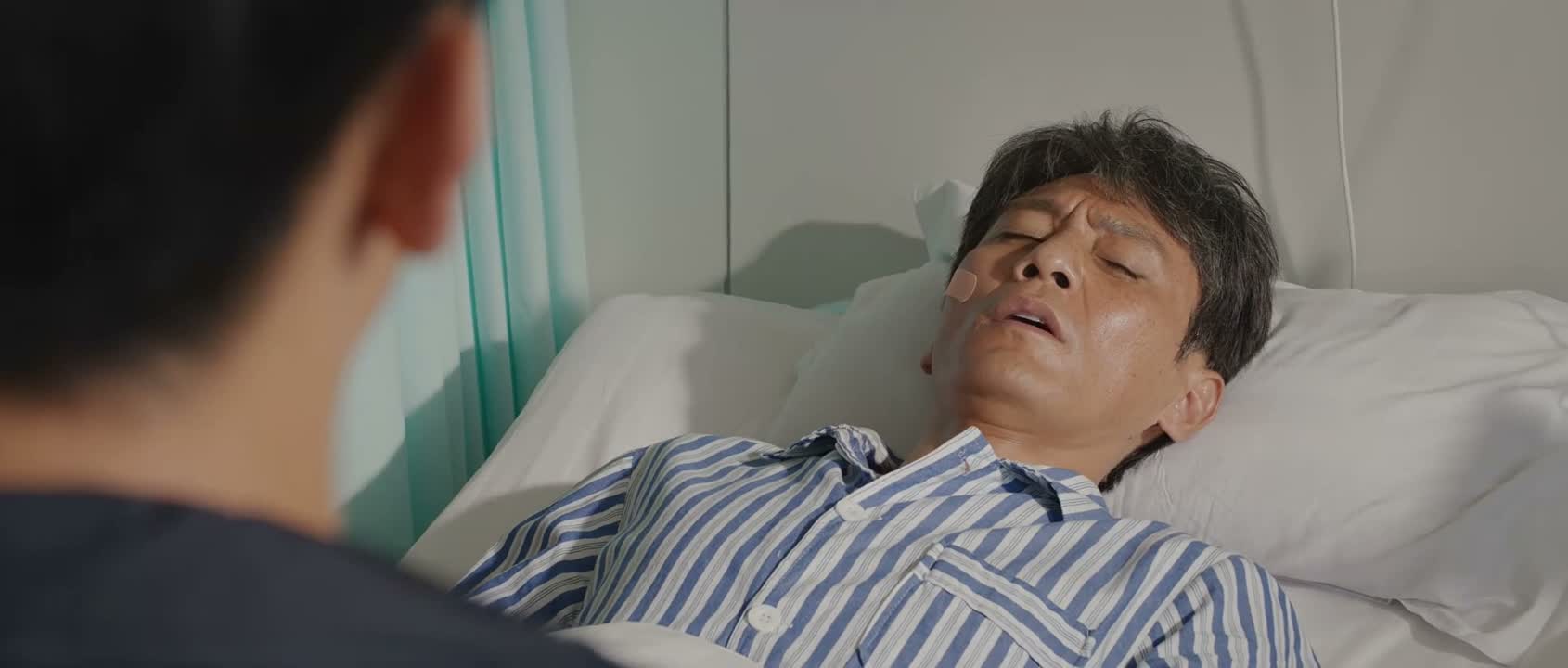
“Laoer, I know what you're thinking.”

“that 5,000 yuan again. Trust me.”

“Half a son, I suppose.”