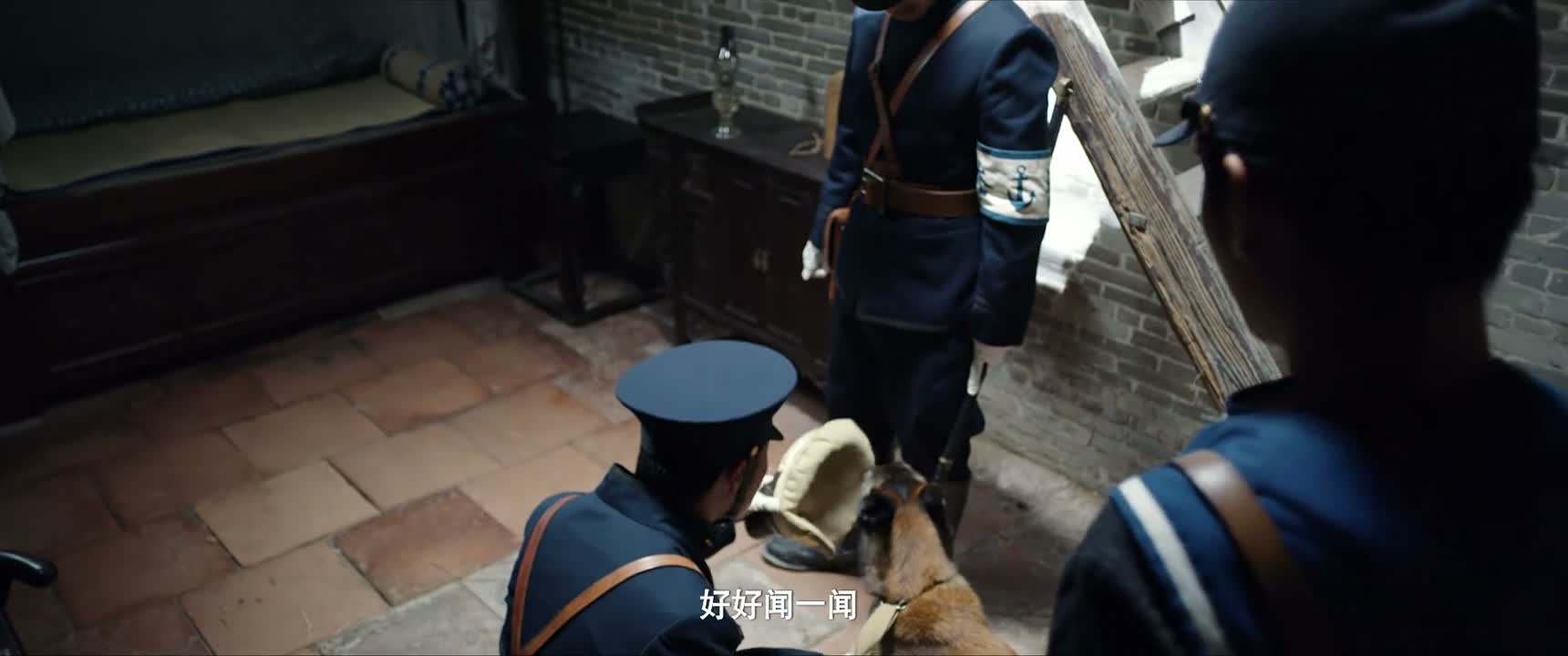
您闻闻 香不香
“Smell it, isn't it fragrant?”
THE DIALOGUE REEL
苞芦馃买回来了 快醒醒
“I bought the corn pastry. Wake up.”
您闻闻 香不香
“Smell it, isn't it fragrant?”
七祖母 醒醒啦
“Seventh Grandmother, wake up.”
“Wake up, Grandma, your favorite snack is hot and ready for you to eat.”
In Chinese family culture, waking or comforting an ailing or elderly family member by offering warm, familiar hometown snacks represents deep filial piety and gentle care.
Using the honorific pronoun '您' towards grandparents demonstrates ingrained generational respect even during casual and intimate daily interactions.
LEARNING CHUNKS & PARTICLES
take a smell / have a sniff
A reduplicated verb structure used to soften an imperative and invite someone to briefly sample a scent.
does it smell good? / isn't it fragrant?
An affirmative-negative question form used casually to seek confirmation or invite enthusiasm about food.