最最爱看的这出戏呀
“loved watching this play the most.”
THE DIALOGUE REEL
这可是你七祖母少年时期 和我的那帮小姐妹们
“When I was young, my friends and I”
最最爱看 的这 出戏 呀
“loved watching this play the most.”
小姐妹们看完这出戏 那是天天得学着 念着 舞着
“After watching this play, my friends and I would imitate, recite, and dance it every day.”
Direct spoken expression in this communicative setting.
Elders sharing their youthful passions with grandchildren serves to transmit family warmth and nostalgic cultural history across generations.
LEARNING CHUNKS & PARTICLES
this play / this opera
出 (chū) is the standard spoken and written measure word for theatrical plays or opera pieces.
absolute most / very most
Duplication of 最 used in expressive spoken speech to emphasize supreme degree or fondness.
Softens the utterance and adds an affectionate, nostalgic, and storytelling oral quality.
VOCABULARY & EXPRESSIONS
Parallel Spoken Cinema Scenes (语义近邻切片)

“that was the best performance you've given.”
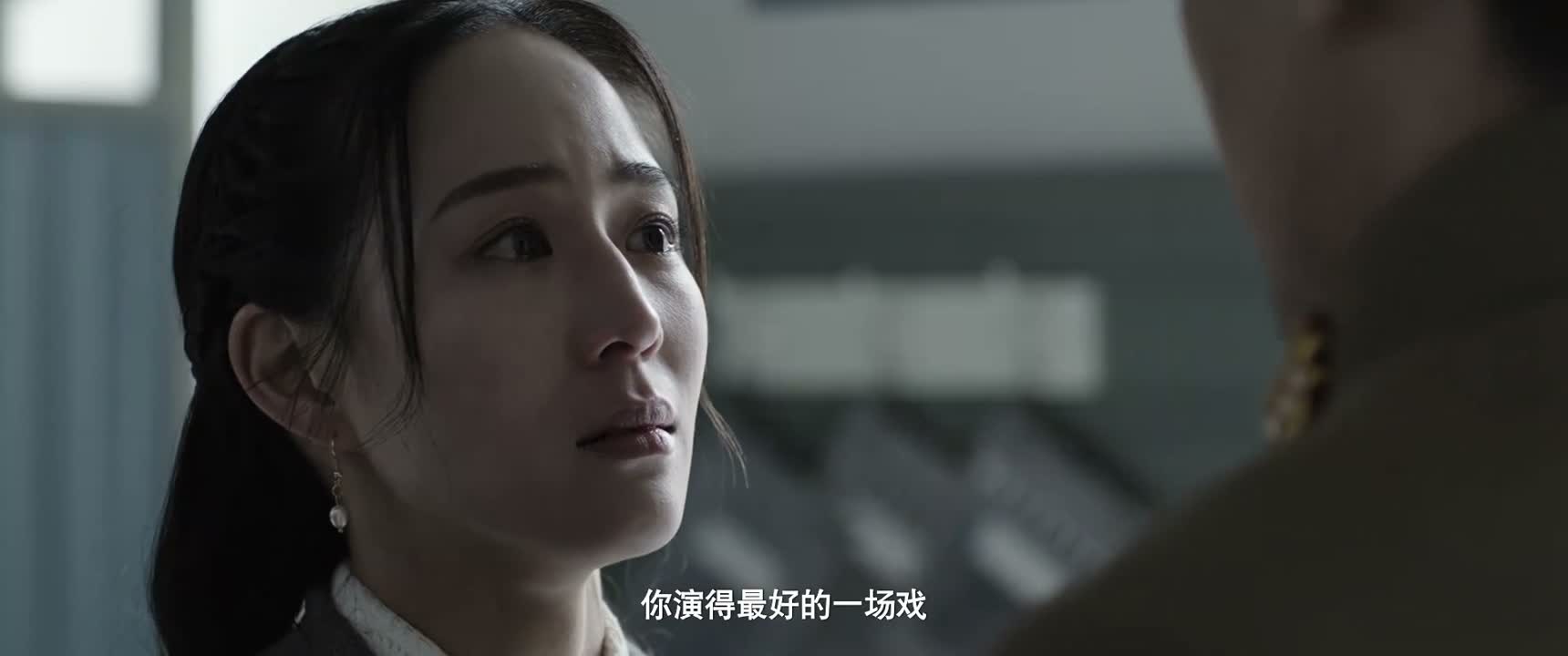
“this is your best performance.”

“you're the one I have the highest expectations for.”
“there are plenty of roles.”
“Your acting”

“Have you watched the play that I recommended to you?”