MC
MandarinClips Cinema Corpus
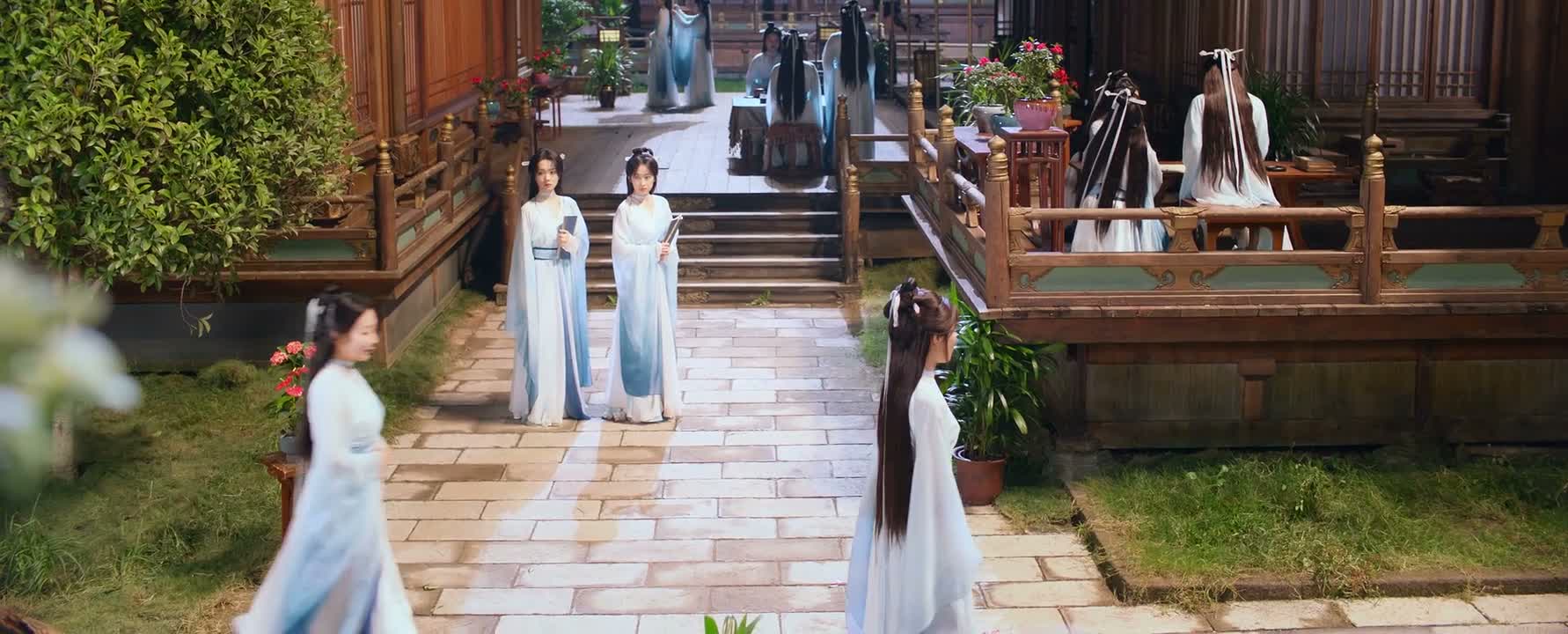
《Veil of Shadows》 S1·E24 (38:38) HSK 2
nǐ zěn me yě méi yǒu yǎn jīng a ?

你怎么也没有眼睛啊?

“You don't have eyes either?”

《Veil of Shadows》 S1·E24
TIMECODE: 38:38 · 1080P MASTER AUDIO

THE DIALOGUE REEL

1+1+1 SPOKEN CONTINUITY
[-1] PREVIOUS TURN a wū

啊呜

“Awoo!”

nǐ zěn me yě méi yǒu yǎn jīng a ? CURRENT FOCUS

你 怎么 也 没有眼睛 啊 ?

“You don't have eyes either?”

[+1] FOLLOW-UP TURN zěn me le zhè shì ?

怎么了这是?

“What's wrong?”

Subtitles synced to millisecond timecode Browse Show Clips →
Scene: Daily Life
Function: EXPRESSING CONFUSION
Tone: INCREDULOUS
Emotion: SURPRISE
WHAT THEY REALLY MEAN (PRAGMATIC SUBTEXT)

Direct spoken expression in this communicative setting.

💡 Cultural Insight: Rhetorical Questioning in Expressive Chinese

Speakers frequently employ questions starting with '你怎么也' to vocalize sudden realization or disorientation rather than accusing the interlocutor.

INTENT TAGS: #questioning #astonishment #observing #confusion
🧩

LEARNING CHUNKS & PARTICLES

2 CHUNKS · 1 PARTICLES
你怎么也 SPOKEN CHUNK

why do you also / how come you too

Used to express surprise when an unexpected condition also applies to the listener, comparing them to a prior subject.

没有眼睛 SPOKEN CHUNK

to not have eyes

Can refer literally to lacking eyes or figuratively to someone being unobservant or reckless.

Modal Particle「啊」 (a) CHANGE OF STATE

Softens the interrogative tone while highlighting genuine astonishment or curiosity.
🏮

VOCABULARY & EXPRESSIONS

2 EXPR · 2 GRAMMAR
CROSS-CINEMA CORPUS BOARD · PARALLEL SCENES

Parallel Spoken Cinema Scenes (语义近邻切片)

EXPLORE BY SEMANTIC SIMILARITY
《Veil of Shadows》 S1·E24 (38:38) · Authentic Cinema Dialogue Corpus