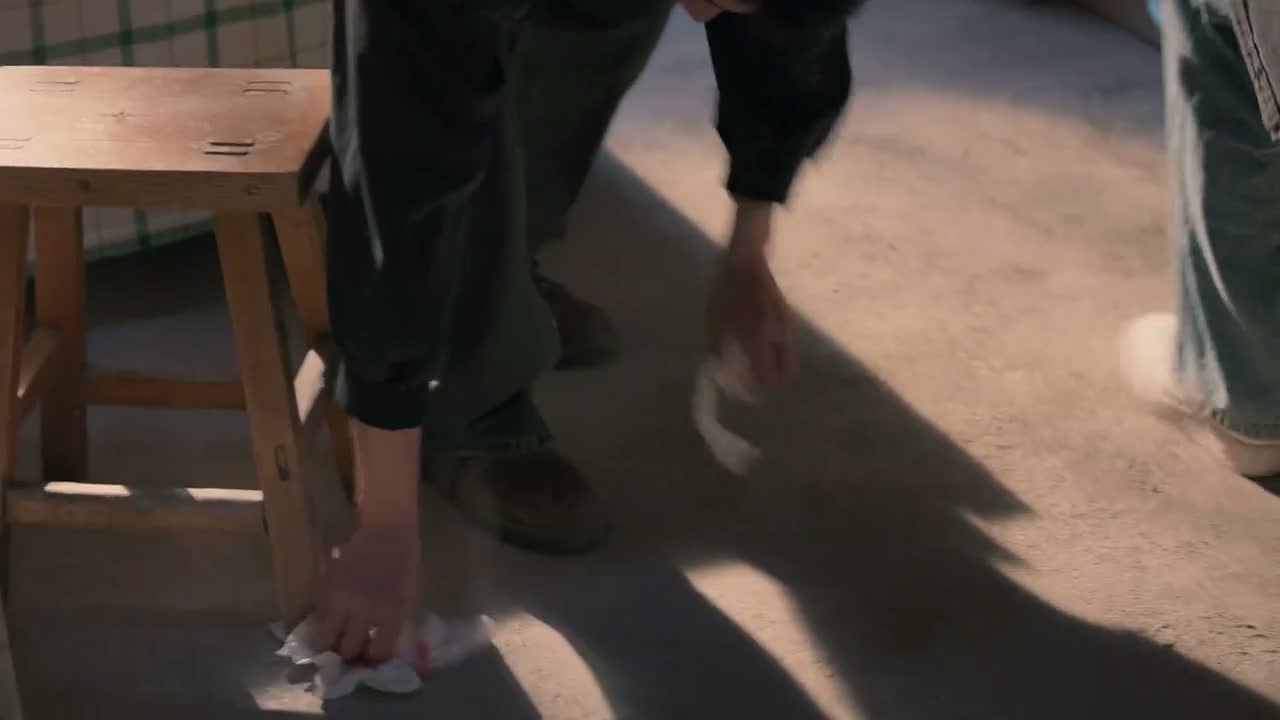
《The First Jasmine》 S1·E13 (41:16)
HSK 1
nǐ zěn me le nǐ děng děng wǒ
你怎么了 你等等我
“What's wrong? Wait for me.”
《The First Jasmine》
S1·E13
TIMECODE: 41:16
·
1080P MASTER AUDIO
THE DIALOGUE REEL
[-1] PREVIOUS TURN
ā niáng ā niáng
阿娘 阿娘
“Mom! Mom!”
nǐ zěn me le nǐ děng děng wǒ
CURRENT FOCUS
你怎么了 你 等等我
“What's wrong? Wait for me.”
[+1] FOLLOW-UP TURN
ā niáng
阿娘
“Mom!”
Subtitles synced to millisecond timecode
Browse Show Clips →
Scene:
Family & Home
Function:
INQUIRING AND PLEADING
Tone:
CONCERNED
Emotion:
ANXIETY
WHAT THEY REALLY MEAN (PRAGMATIC SUBTEXT)
Direct spoken expression in this communicative setting.
💡 Cultural Insight: Immediate Expression of Family Concern
Chinese speakers often directly ask '你怎么了' without preface to show genuine, uninhibited care for close family members.
INTENT TAGS:
#inquiry
#concern
#request_to_wait
#anxiety
🧩
2 CHUNKS · 1 PARTICLES
LEARNING CHUNKS & PARTICLES
你怎么了
SPOKEN CHUNK
What happened to you? / What's wrong?
A highly frequent everyday phrase used to express concern when someone looks upset, unwell, or acts unusually.
等等我
SPOKEN CHUNK
Wait for me
Use this spoken phrase to ask someone ahead of you to slow down or pause.
Modal Particle「了」 (le)
CHANGE OF STATE
Marks a change of state, indicating that something has suddenly gone wrong with the listener.
🏮
2 EXPR · 0 GRAMMAR
VOCABULARY & EXPRESSIONS
COLLOQUIAL EXPRESSIONS:
CROSS-CINEMA CORPUS BOARD · PARALLEL SCENES
EXPLORE BY SEMANTIC SIMILARITY
Parallel Spoken Cinema Scenes (语义近邻切片)
《The First Jasmine》 S1·E13 (41:16) · Authentic Cinema Dialogue Corpus