我俩就是天生地长的孤儿
“We were both orphans with nowhere to turn,”
THE DIALOGUE REEL
最后是他跟我一起葬了我娘
“In the end, he helped me bury my mother.”
我俩 就是 天生地长 的 孤儿
“We were both orphans with nowhere to turn,”
只能靠自己
“and could only rely on ourselves.”
“We only have each other in this cruel world, so nobody else will protect us.”
In Chinese narrative culture, individuals without lineage or family backing often form unbreakable, family-like allegiances out of survival necessity.
LEARNING CHUNKS & PARTICLES
growing up without parents or guidance; born of nature alone
A vivid four-character descriptive phrase used colloquially to emphasize that one had no parental upbringing or support system.
the two of us
A natural, highly colloquial Northern Mandarin contraction of '我们俩' used between close acquaintances.
VOCABULARY & EXPRESSIONS
Parallel Spoken Cinema Scenes (语义近邻切片)
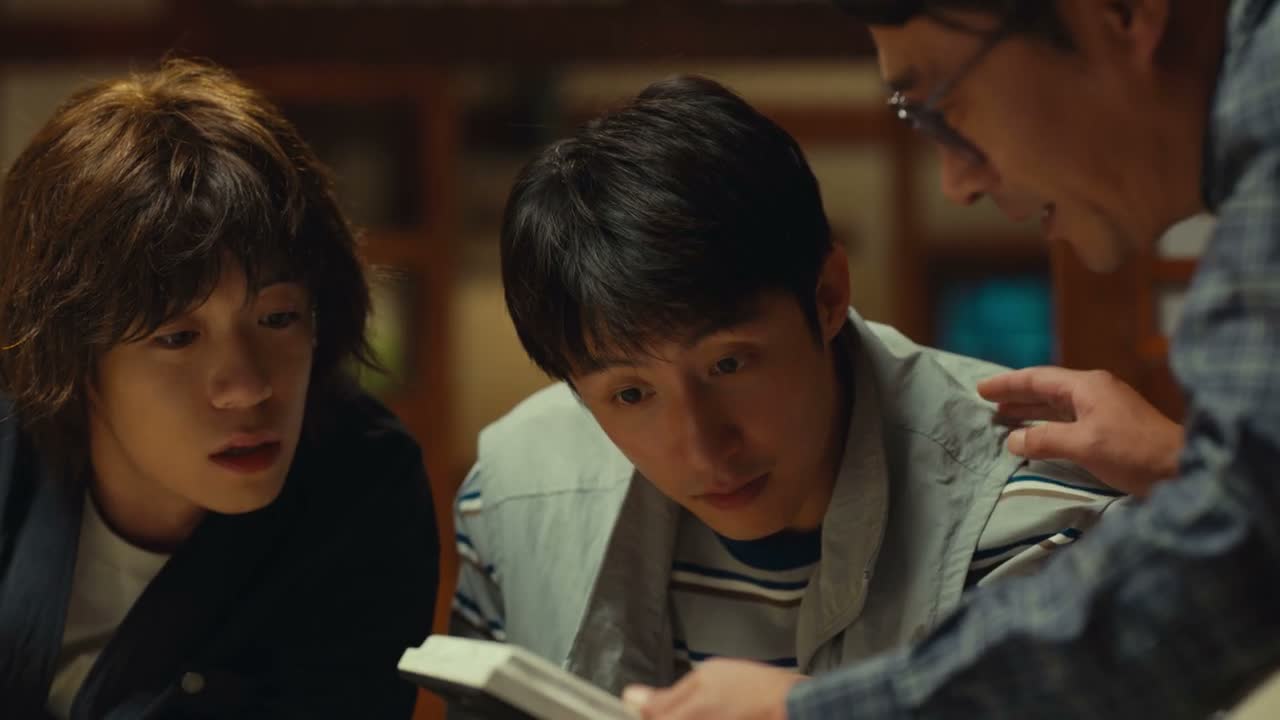
“She and I grew up together.”

“I grew up an orphan.”
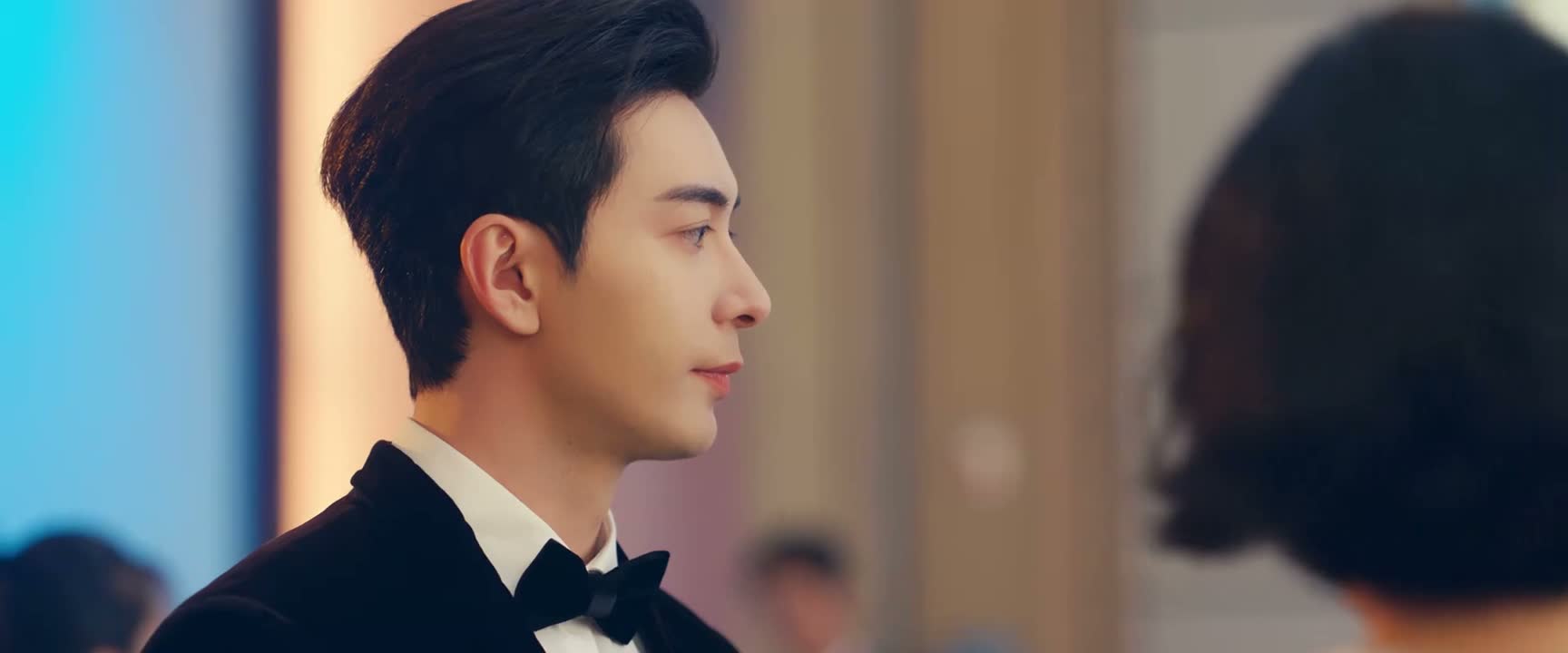
“You two grew up together,”

“We grew up together,”

“They grew up together.”
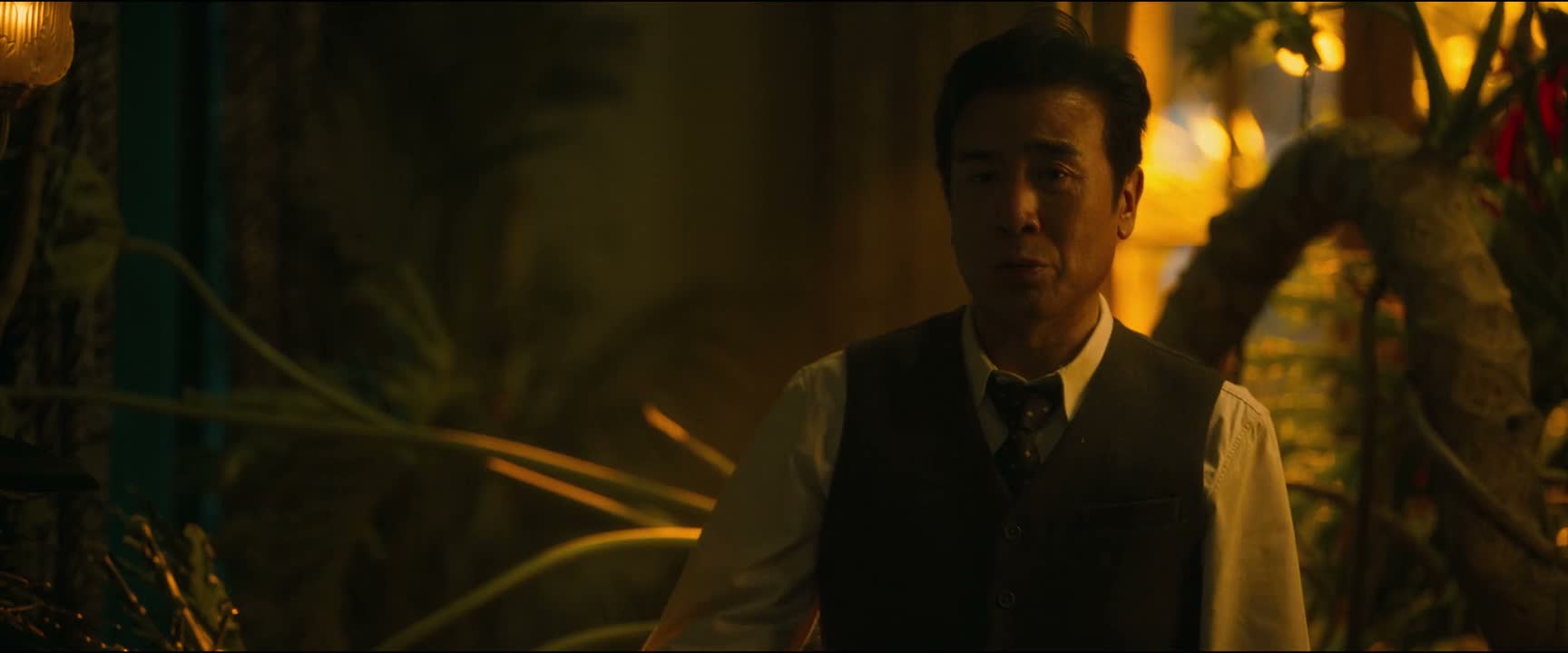
“He grew up with me.”