傻孩子
“Silly kid.”
THE DIALOGUE REEL
你就为这个事来的
“You came all the way here for that?”
傻孩子
“Silly kid.”
“Couldn't you have just called me?”
“You don't have to carry this alone; I care about you deeply.”
Chinese parents frequently use seemingly negative terms of endearment like 'foolish child' to convey unconditional support and deep empathy without overt emotional vulnerability.
LEARNING CHUNKS & PARTICLES
silly child; my dear child
Used affectionately by elders or parents toward juniors to express loving sympathy rather than actual insult.
VOCABULARY & EXPRESSIONS
Parallel Spoken Cinema Scenes (语义近邻切片)

“Silly child, what nonsense are you saying?”

“any idiot could tell there was a problem.”

“who's been stupid since childhood.”
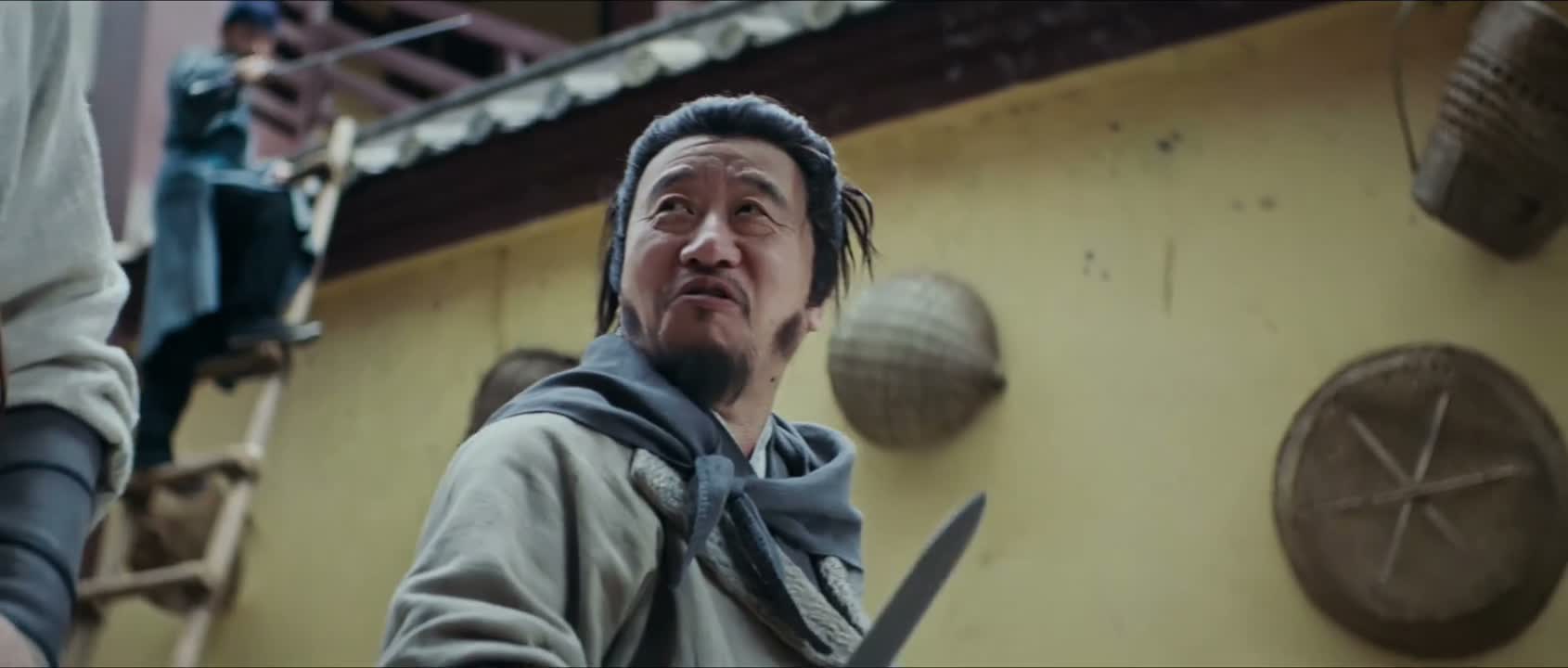
“Young lad.”

“[Chi-sha] You brat.”

“Silly. That is a paratrooper.”