我净问些不该问的
“asking things I shouldn't have.”
THE DIALOGUE REEL
你看
“Oh, look at me,”
我 净问些不该问的
“asking things I shouldn't have.”
没事
“It's okay. I'm sorry.”
“I overstepped your personal boundaries, please don't take offense.”
When realizing they have pried into personal affairs, Chinese speakers often use self-reproach to restore face for both parties and neutralize social discomfort.
LEARNING CHUNKS & PARTICLES
things one shouldn't ask / off-limit questions
A polite phrase used when realizing one has pried into someone's privacy or sensitive topics.
constantly / always doing nothing but
An adverb used in Northern spoken Chinese to indicate doing something excessively or exclusively, often with self-deprecating or critical undertones.
Nominalizes the preceding clause to refer to improper questions.
VOCABULARY & EXPRESSIONS
Parallel Spoken Cinema Scenes (语义近邻切片)
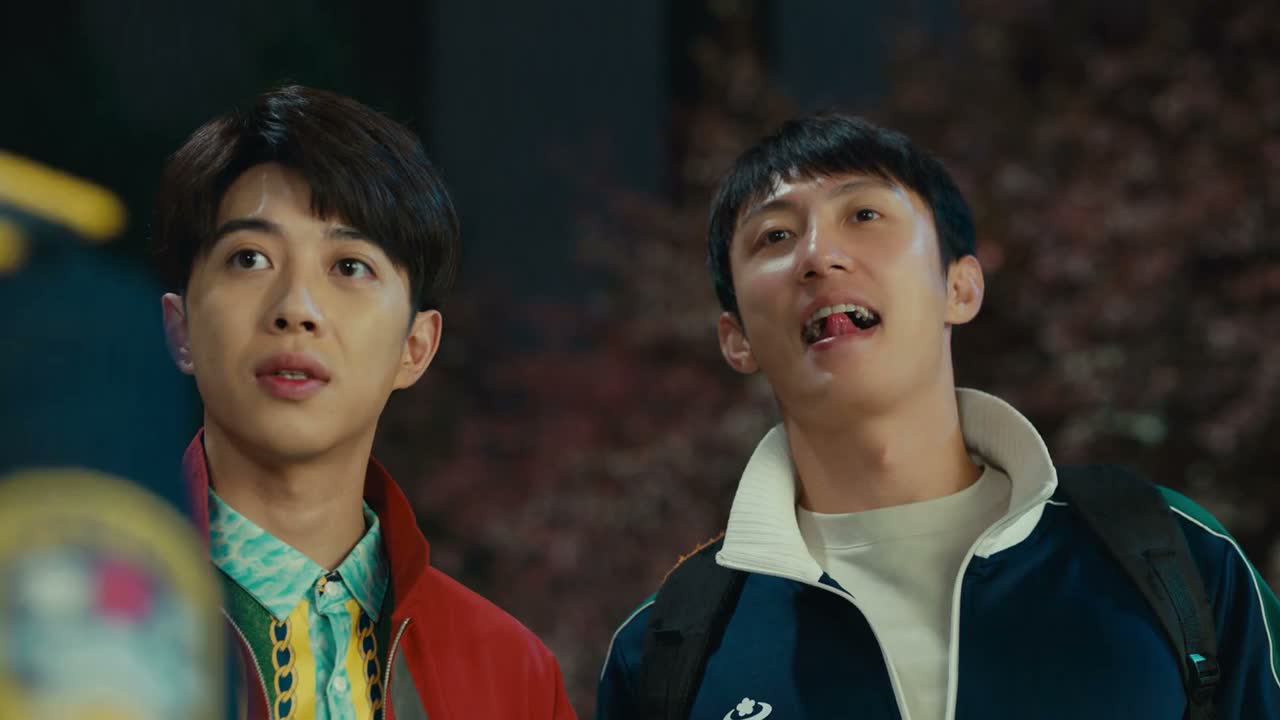
“Let me ask you something I shouldn't.”

“but whether you want to ask or not.”
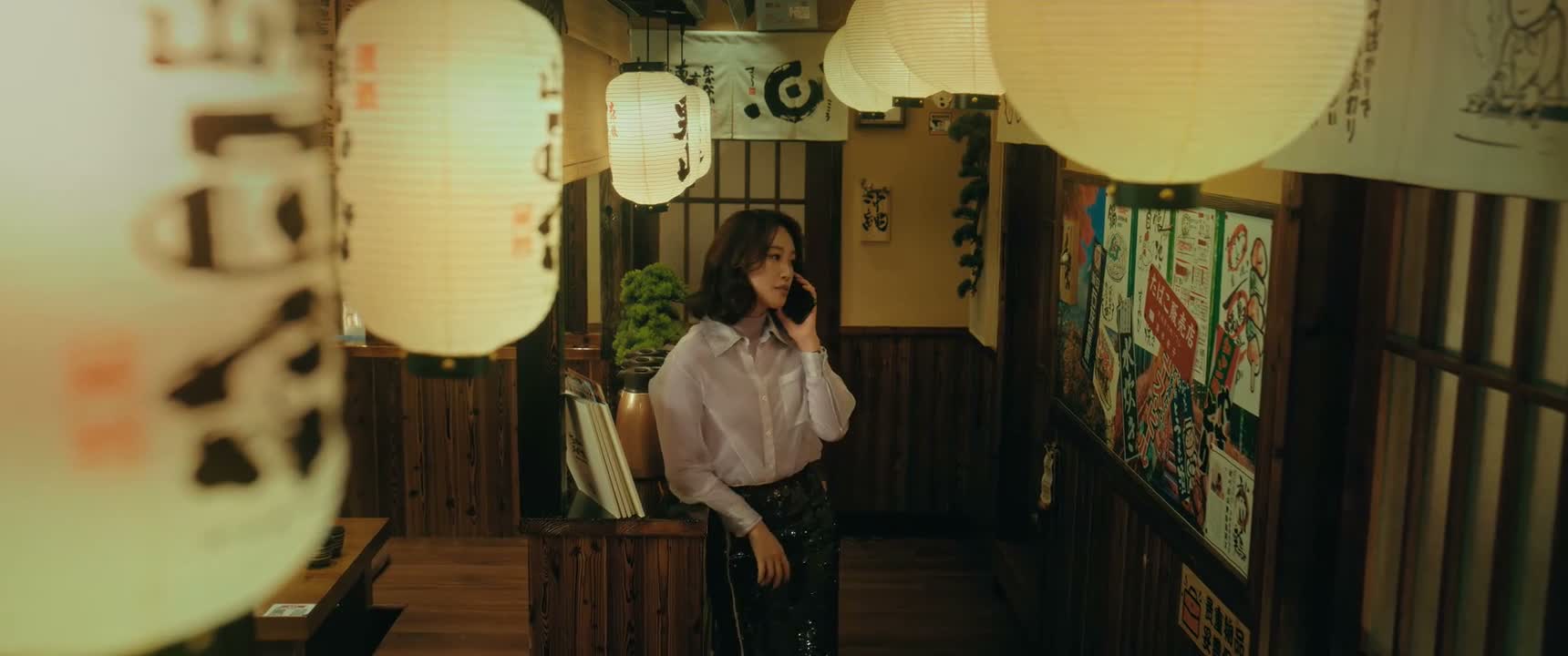
“Don't ask questions you shouldn't.”
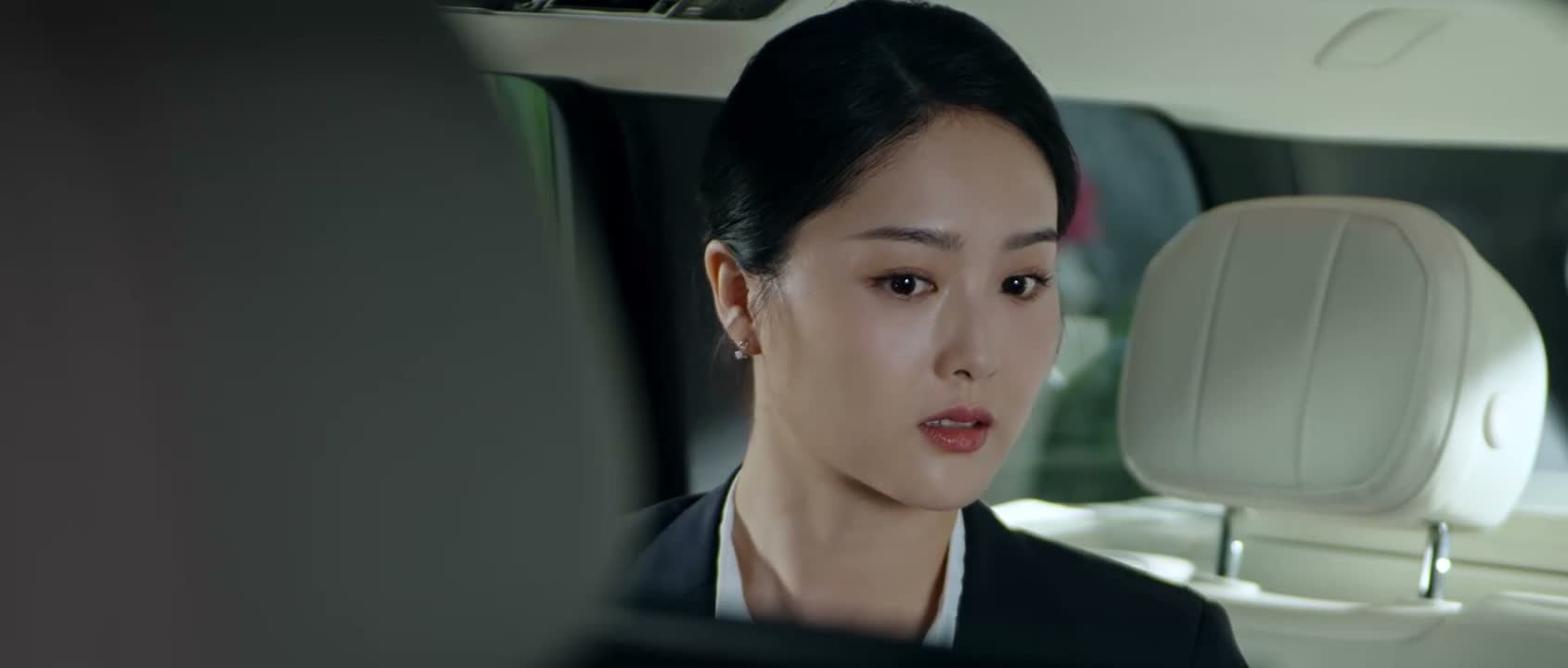
“Don't ask questions.”

“Aren't you supposed to ask me some questions?”

“But I still need to ask you some questions.”