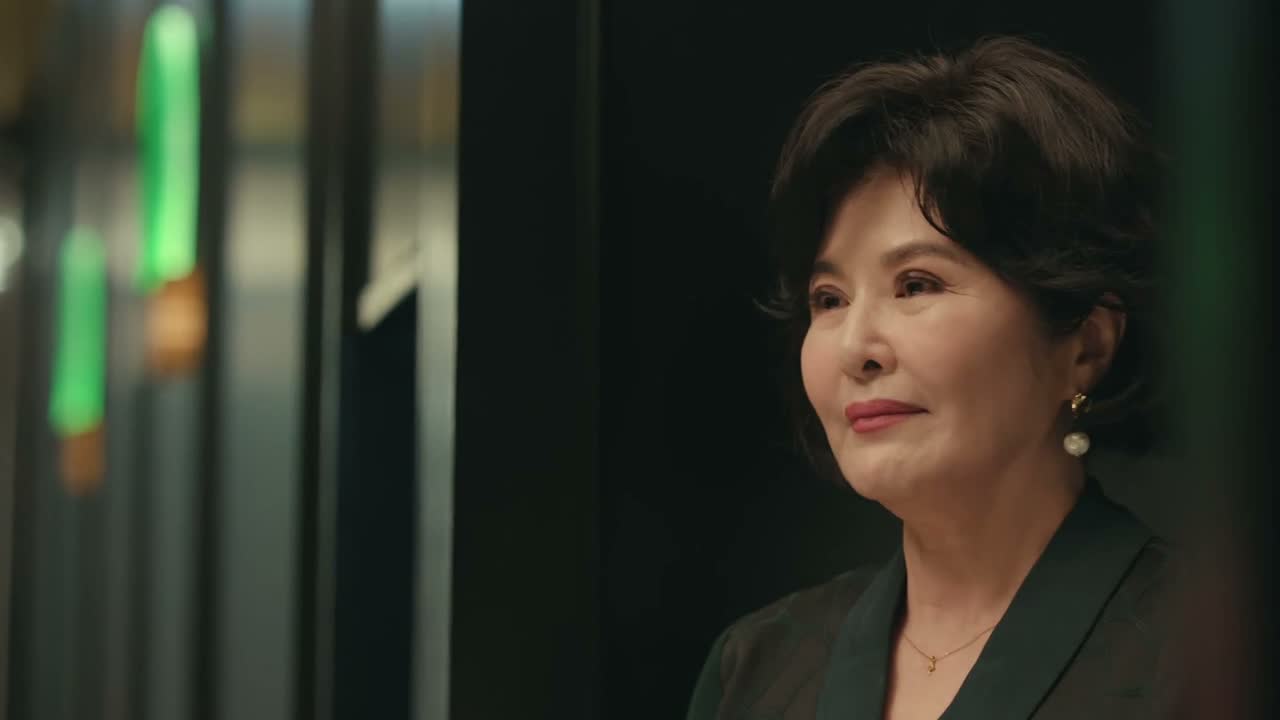
《The Epoch of Miyu》 S1·E28 (16:10)
HSK 7
wǒ gāng cái méi lái de jí qǐng shì
我刚才没来得及请示
“I didn't have time to ask for instructions.”
《The Epoch of Miyu》
S1·E28
TIMECODE: 16:10
·
1080P MASTER AUDIO
THE DIALOGUE REEL
[-1] PREVIOUS TURN
duì le
对了
“By the way,”
wǒ gāng cái méi lái de jí qǐng shì
CURRENT FOCUS
我 刚才 没来得及 请示
“I didn't have time to ask for instructions.”
[+1] FOLLOW-UP TURN
xiān zhǎn hòu zòu le
先斩后奏了
“I just acted on my own.”
Subtitles synced to millisecond timecode
Browse Show Clips →
Scene:
Workplace
Function:
MAKING AN APOLOGY
Tone:
APOLOGETIC
Emotion:
ANXIETY
WHAT THEY REALLY MEAN (PRAGMATIC SUBTEXT)
“Please don't be mad at me for bypassing you; it was an urgent matter.”
💡 Cultural Insight: Reporting Protocol (Qingshi)
In Chinese organizational culture, reporting upward before acting shows respect for leadership; bypassing this chain of command requires delicate explanation.
INTENT TAGS:
#apology
#justification
#deference
#workplace_protocol
🧩
2 CHUNKS · 0 PARTICLES
LEARNING CHUNKS & PARTICLES
没来得及
SPOKEN CHUNK
did not have time to; too late to
A common phrase used to explain an omission caused by time constraints or sudden urgency.
请示
SPOKEN CHUNK
ask for instructions; seek approval
A formal workplace term used when reporting to superiors or seeking official authorization.
🏮
2 EXPR · 2 GRAMMAR
VOCABULARY & EXPRESSIONS
COLLOQUIAL EXPRESSIONS:
CROSS-CINEMA CORPUS BOARD · PARALLEL SCENES
EXPLORE BY SEMANTIC SIMILARITY
Parallel Spoken Cinema Scenes (语义近邻切片)

《The Epoch of Miyu》 S1·E28 (16:10) · Authentic Cinema Dialogue Corpus