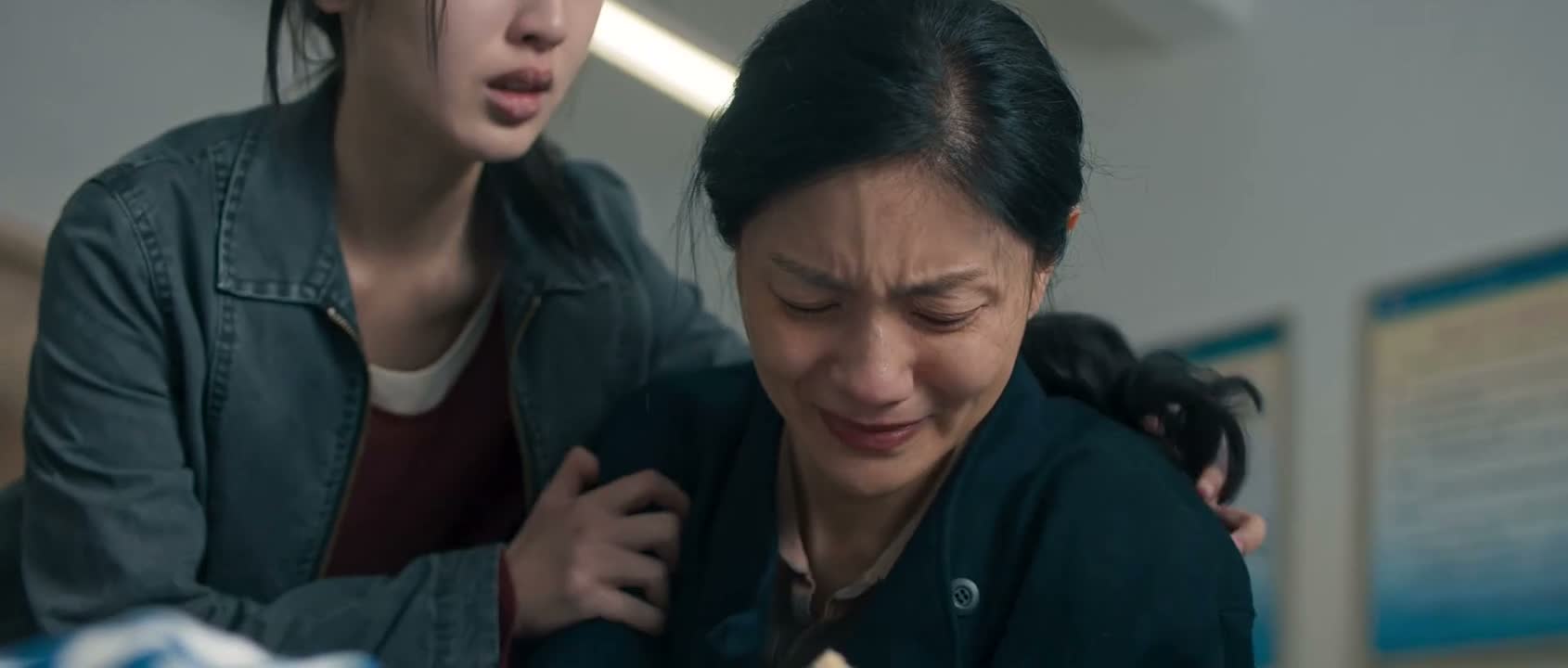
《Vanished Name》 S1·E17 (15:56)
HSK 3
bié kū le bǎo bǎo bié kū le
别哭了宝宝 别哭了
“Stop crying, sweetie. Stop crying.”
《Vanished Name》
S1·E17
TIMECODE: 15:56
·
1080P MASTER AUDIO
THE DIALOGUE REEL
[-1] PREVIOUS TURN
xíng le xíng le bié háo le bié háo le bié háo le
“Stop crying! Stop it!”
bié kū le bǎo bǎo bié kū le
CURRENT FOCUS
别哭了 宝宝 别哭了
“Stop crying, sweetie. Stop crying.”
[+1] FOLLOW-UP TURN
bié kū le bǎo bǎo
别哭了宝宝
“Stop crying, sweetie.”
Subtitles synced to millisecond timecode
Browse Show Clips →
Scene:
Social & Dating
Function:
COMFORTING
Tone:
COMFORTING
Emotion:
SYMPATHY
WHAT THEY REALLY MEAN (PRAGMATIC SUBTEXT)
Direct spoken expression in this communicative setting.
💡 Cultural Insight: Modern Endearments
While traditional Chinese culture rarely used overt pet names, calling a partner '宝宝' (baby) is standard practice among modern Chinese couples.
INTENT TAGS:
#comforting
#consolation
#affection
#soothing
🧩
2 CHUNKS · 1 PARTICLES
LEARNING CHUNKS & PARTICLES
别哭了
SPOKEN CHUNK
Stop crying; don't cry
The standard, direct way to comfort someone who is weeping.
宝宝
SPOKEN CHUNK
Baby; darling
Widely used as an affectionate pet name between young romantic partners or towards children.
Modal Particle「了」 (le)
CHANGE OF STATE
Indicates a change of state, functioning here as an imperative to cease the crying.
🏮
2 EXPR · 0 GRAMMAR
VOCABULARY & EXPRESSIONS
COLLOQUIAL EXPRESSIONS:
CROSS-CINEMA CORPUS BOARD · PARALLEL SCENES
EXPLORE BY SEMANTIC SIMILARITY
Parallel Spoken Cinema Scenes (语义近邻切片)
《Vanished Name》 S1·E17 (15:56) · Authentic Cinema Dialogue Corpus