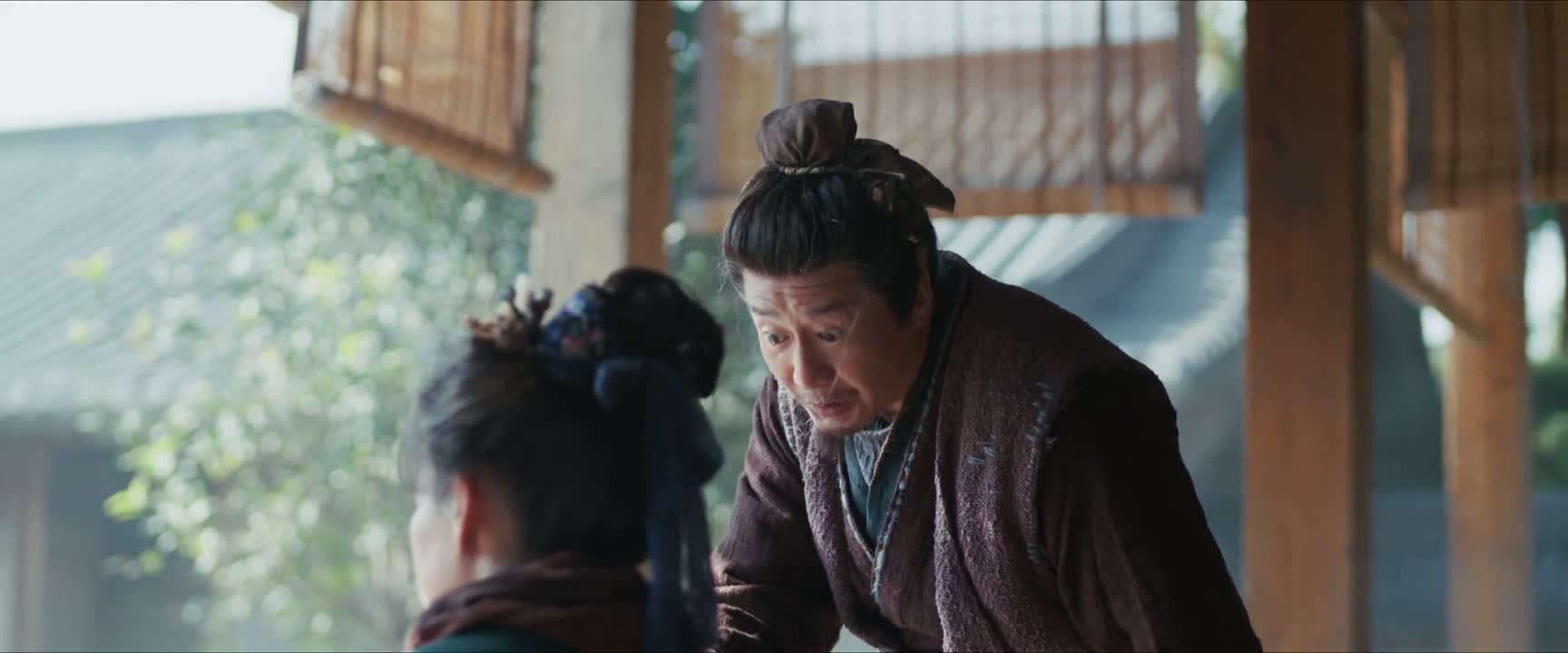
姐 这么多 你不吃馒头吗 那你来 你来一个这个
“This is so much. Have a bun? You have this one.”
THE DIALOGUE REEL
她吃不完
“She can't finish it.”
姐 这么多 你不吃馒头吗 那你来 你来一个 这个
“This is so much. Have a bun? You have this one.”
“Seriously? Nobody puts food in my bowl.”
Direct spoken expression in this communicative setting.
At Chinese family dining tables, actively offering food and noticing what relatives are eating is a primary way of showing familial love, respect, and care.
LEARNING CHUNKS & PARTICLES
aren't you eating...?; don't you want to eat...?
A polite, attentive pattern used to check whether a dining companion desires a specific dish or staple.
have one; take one for yourself
A warm, colloquial invitation urging someone to take a piece of food or join an activity.
Forms a standard polar question, used here to confirm the sister's dietary preference gently.
VOCABULARY & EXPRESSIONS
Parallel Spoken Cinema Scenes (语义近邻切片)

“I don't know what's going on with these buns. You wretch, eat the buns!”

“Ms. Ren, are you not making buns anymore? Why is all the flour gone?”

“They are. These are my buns. I don't know what's going on with these buns.”

“I'm turning into a bun. I like eating buns.”
“than the steamed buns you've eaten.”

“her steamed buns are good. She's a good person and has worked here for years.”