那你多吃点 多吃点就不想了
“Then eat more. You won't miss home if you're full.”
THE DIALOGUE REEL
想家了
“Just feeling homesick.”
那你 多吃点 多吃点 就 不想了
“Then eat more. You won't miss home if you're full.”
快 正佑 吃鱼
“Come on, Zhengyou, have some fish.”
Direct spoken expression in this communicative setting.
In Chinese culture, offering food and urging loved ones to eat is a primary non-verbal and verbal way to express affection, comfort, and care.
LEARNING CHUNKS & PARTICLES
eat more / have some more
A quintessential caring phrase used by Chinese hosts, elders, or loved ones at the dining table.
Signifies a change of state, implying that the feeling of homesickness will cease after eating.
VOCABULARY & EXPRESSIONS
Parallel Spoken Cinema Scenes (语义近邻切片)
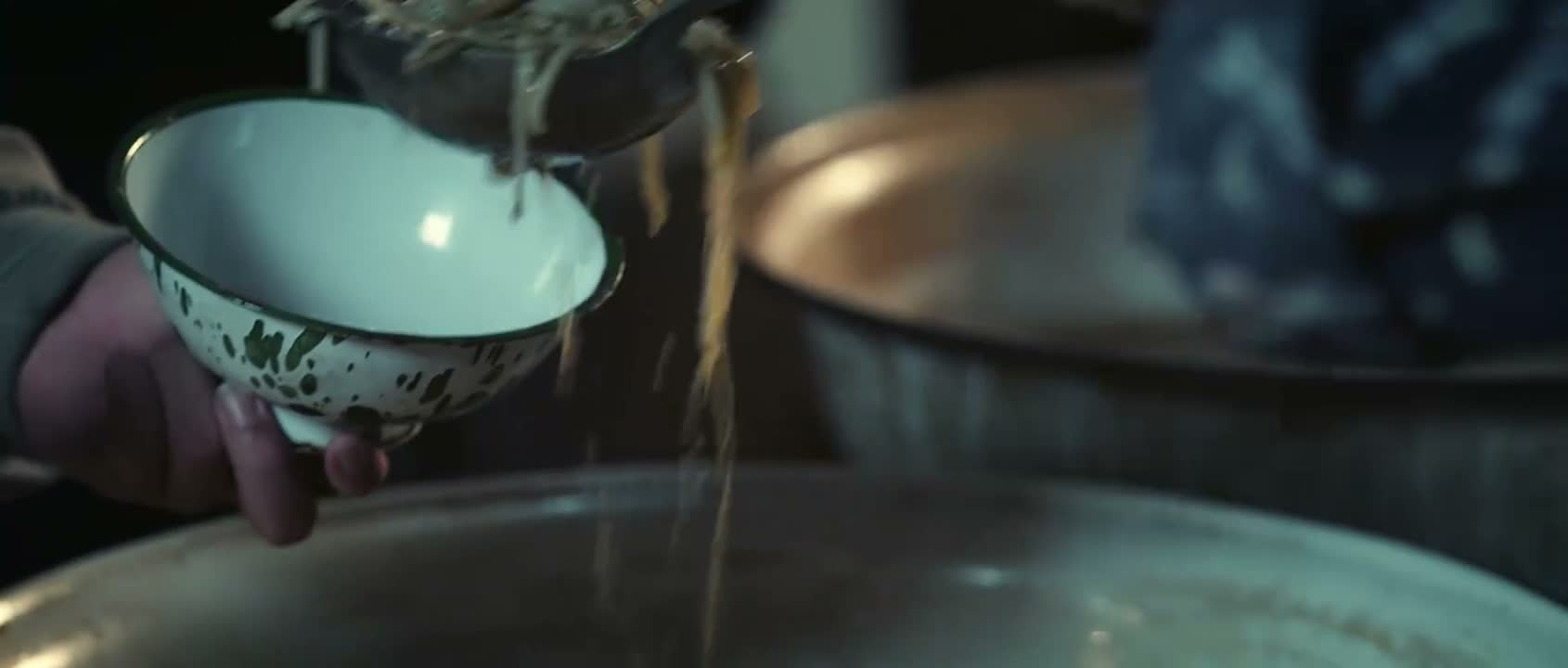
“Eat up. It's really good.”
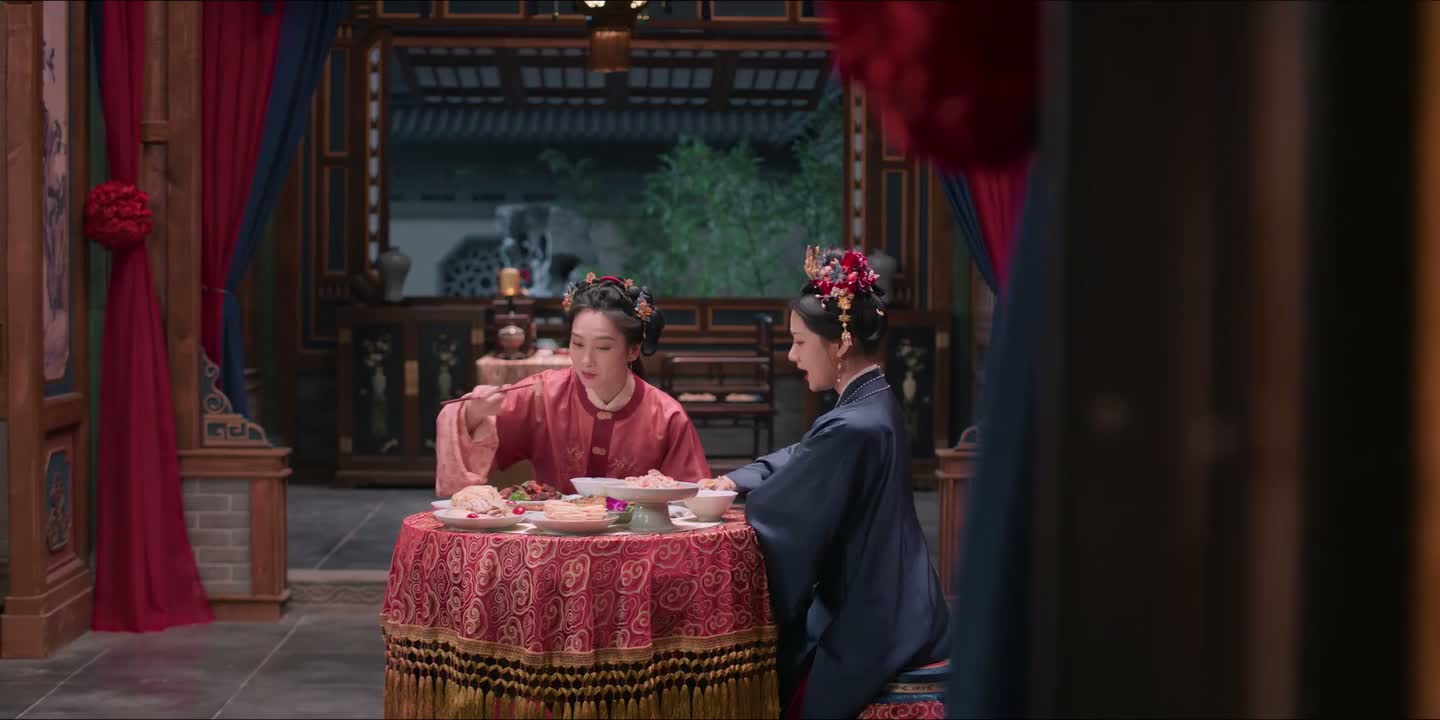
“Eat more if you like it.”
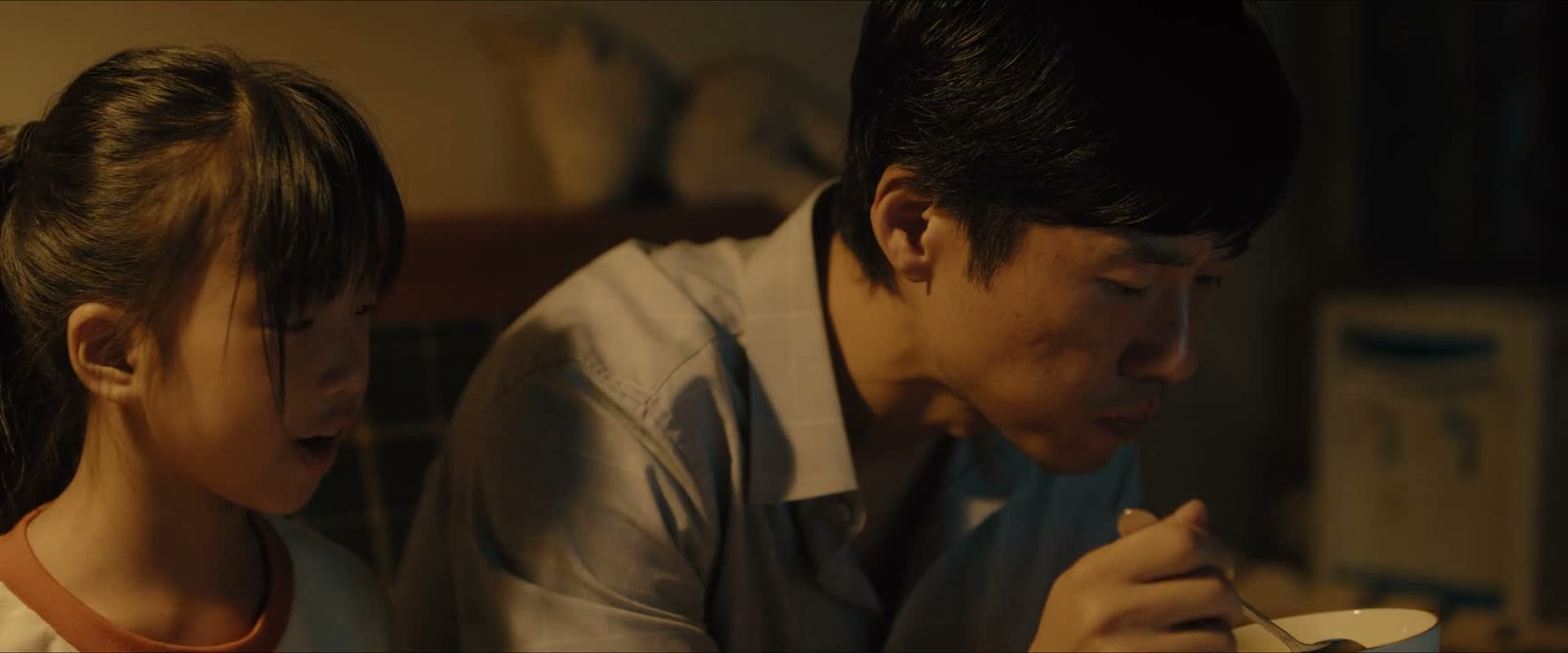
“Eat more if you like it.”

“Yes. Then eat more.”

“so of course, I'll eat more.”
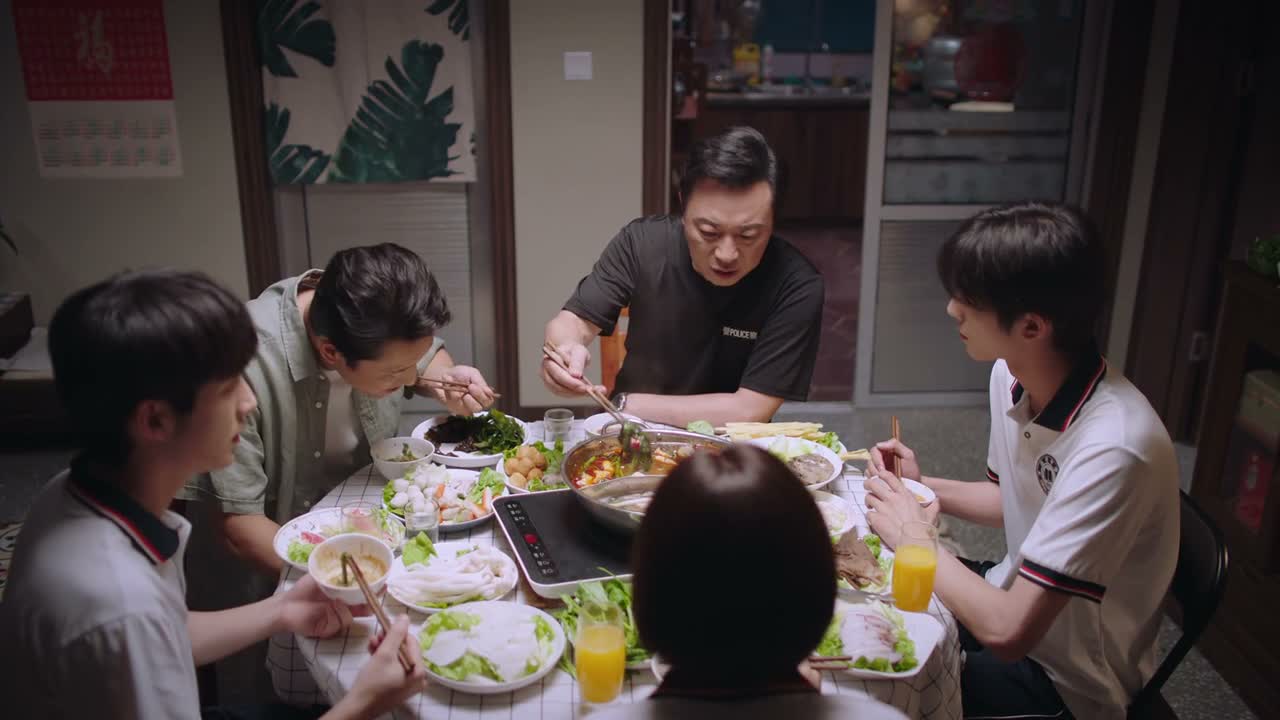
“You should eat more greens. Eat more light stuff.”