鼓掌不会吗 鼓掌
“Don't you know how to clap? Clap.”
THE DIALOGUE REEL
“Let's welcome Director Huang to speak.”
鼓掌 不会吗 鼓掌
“Don't you know how to clap? Clap.”
热烈一点
“A little more energy.”
“Wake up and clap right now, don't embarrass us!”
In formal Chinese gatherings, audience applause is critical to preserving the face and authority of visiting dignitaries or supervisors.
LEARNING CHUNKS & PARTICLES
to clap hands / to applaud
Standard verb commonly used as a direct imperative or polite request in public events.
don't you know how to / can't you even
A rhetorical challenge implying that something basic should already be obvious or expected.
Forms a sharp rhetorical question that implies reprimand rather than genuine inquiry.
VOCABULARY & EXPRESSIONS
Parallel Spoken Cinema Scenes (语义近邻切片)
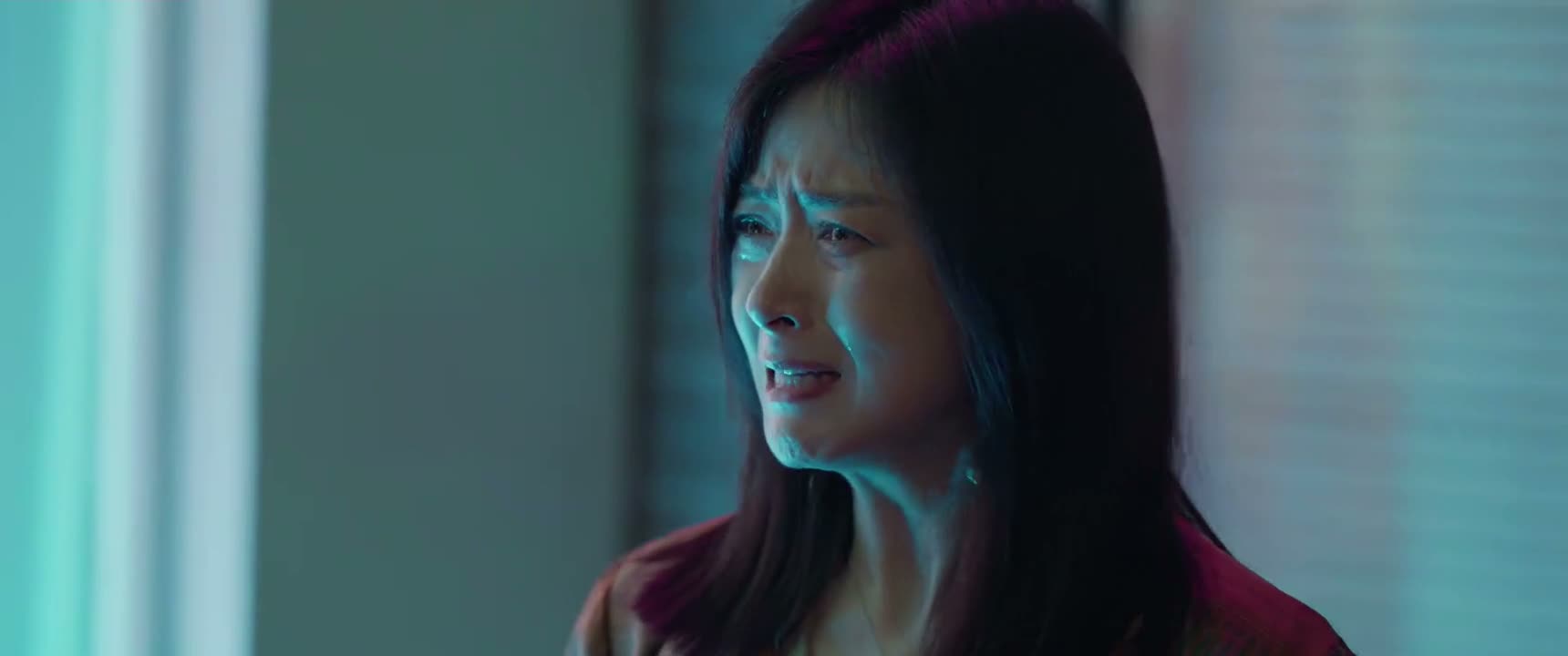
“Applauding in your head?”

“It takes two to tango.”

“Was that beating a drum or a person?”

“The drumstick wanted to do it. What could I do?”

“His drumming isn't good, and neither is his temper.”

“The lead drummer. The drumming wasn't energetic enough.”