一个巴掌是拍不响的
“It takes two to tango.”
THE DIALOGUE REEL
我干嘛还要跟他费劲啊
“why would I even bother?”
一个巴掌 是 拍不响 的
“It takes two to tango.”
男人变心
“A man changing his mind”
“It takes two to tango; this relationship failure isn't just entirely on him, you have your share of the blame too.”
Traditional Chinese perspectives on interpersonal conflict tend to value moderation and bidirectional attribution, holding that 'it takes two to make a quarrel' ('yi ge ba zhang pai bu xiang'). When a dispute occurs, blame is rarely placed entirely on one side; instead, both parties are expected to self-reflect.
LEARNING CHUNKS & PARTICLES
Metaphor meaning that it takes two to tango, and both parties are responsible for a dispute.
A common colloquial saying often used when mediating conflicts or analyzing relationship issues to indicate that both sides share the blame.
Used at the end of a sentence paired with the 'shi... de' construction to emphasize an assertive tone.
VOCABULARY & EXPRESSIONS
Parallel Spoken Cinema Scenes (语义近邻切片)

“A stick, and then a carrot?”
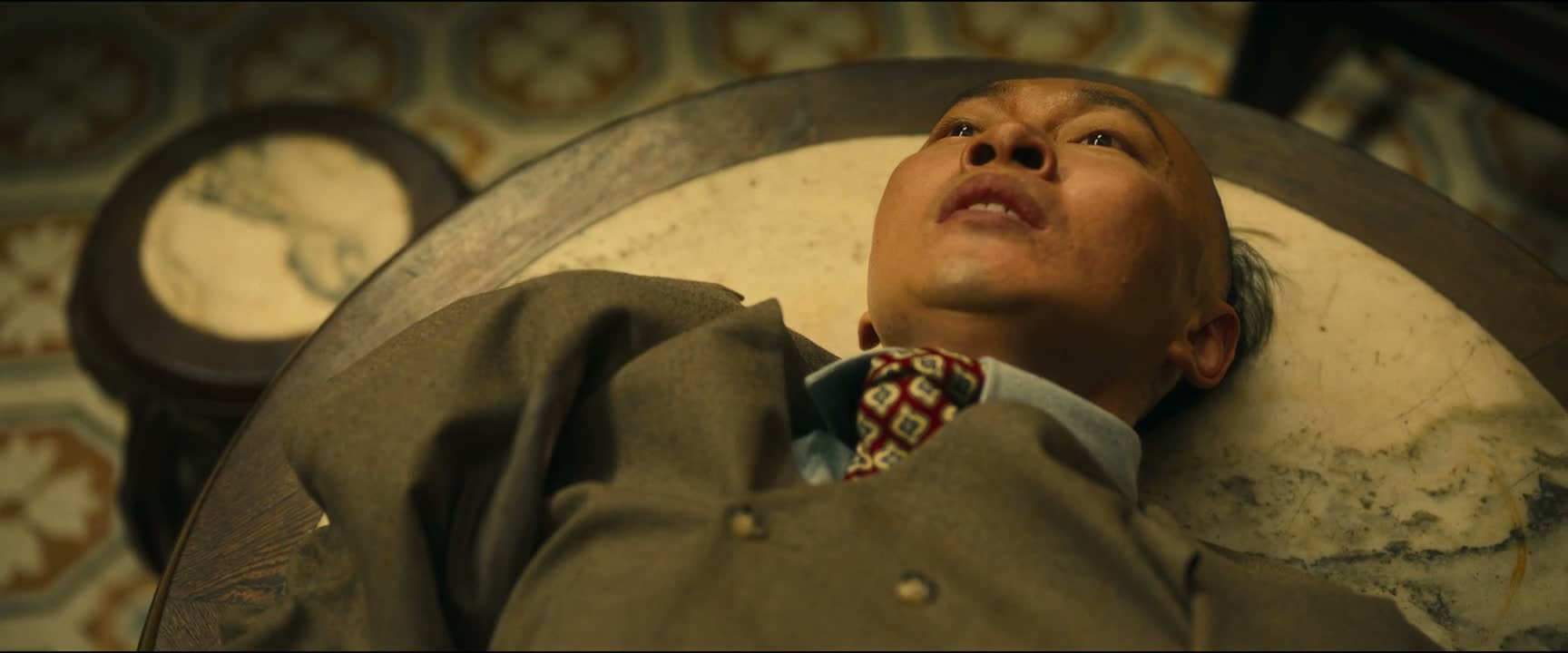
“If you think a few slaps”

“Don't you know how to clap? Clap.”

“She can knock a pig out with a single slap.”
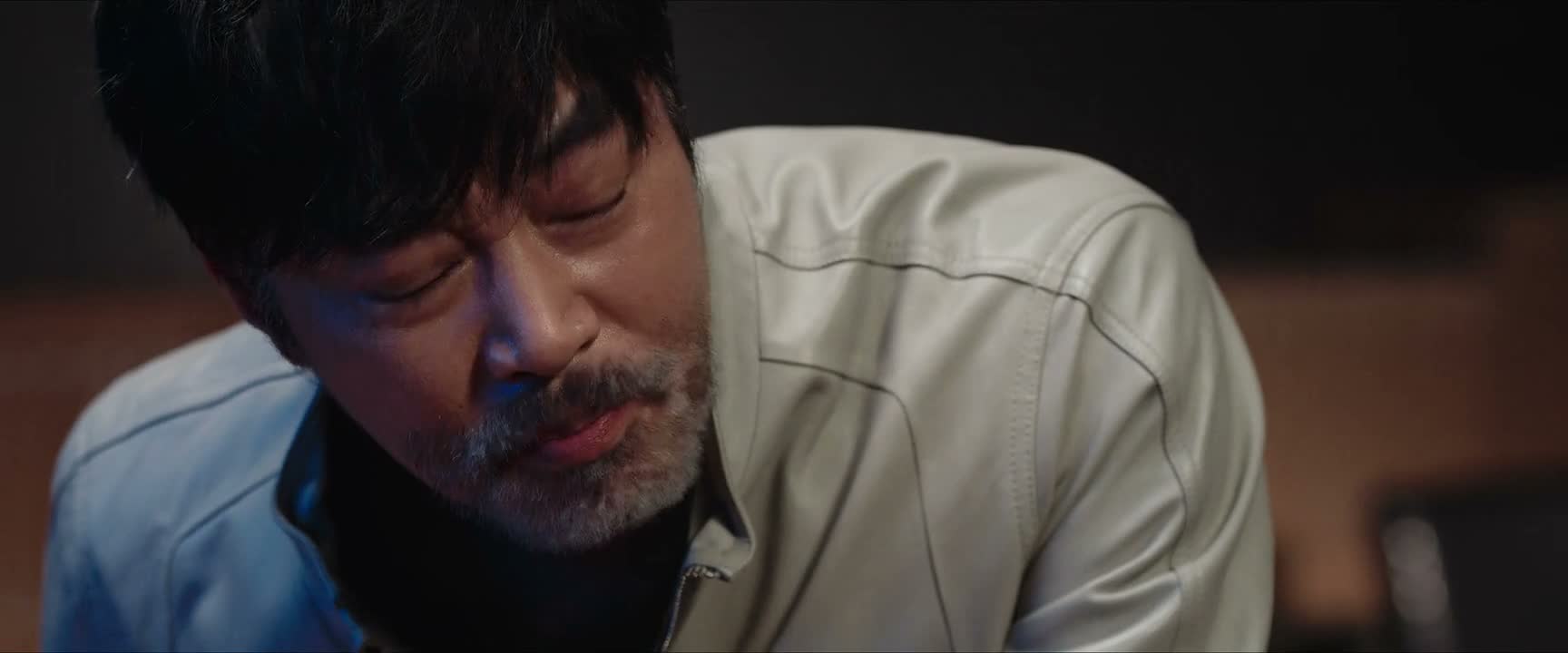
“It's just a piano.”

“The drumstick wanted to do it. What could I do?”