让你们来学戏来了嘛 让你们这睡觉来了
“You came here to study opera, not to sleep all day.”
THE DIALOGUE REEL
让你们来 学戏来了 嘛 让你们这 睡觉来了
“You came here to study opera, not to sleep all day.”
赶紧 我的袜子呢 快点起来 在你那儿 我裤子呢
“Hurry up. - Where are my socks? - Get up, quick. You have them. Where are my pants?”
“You are here to work hard and master an art, not to be lazy and lounge in bed!”
In traditional Chinese opera training troupes, masters demand total discipline, and rhetorical questions are common pedagogical tools to instill shame and work ethic.
LEARNING CHUNKS & PARTICLES
learn traditional opera
Specific term for studying traditional Chinese theater arts.
brought you here to...
Used rhetorically to remind subordinates or children of their stated mission or purpose.
Adds an obvious, reproachful rhetorical edge, implying the listener should already know better.
VOCABULARY & EXPRESSIONS
Parallel Spoken Cinema Scenes (语义近邻切片)

“She hasn't even trained in opera!”
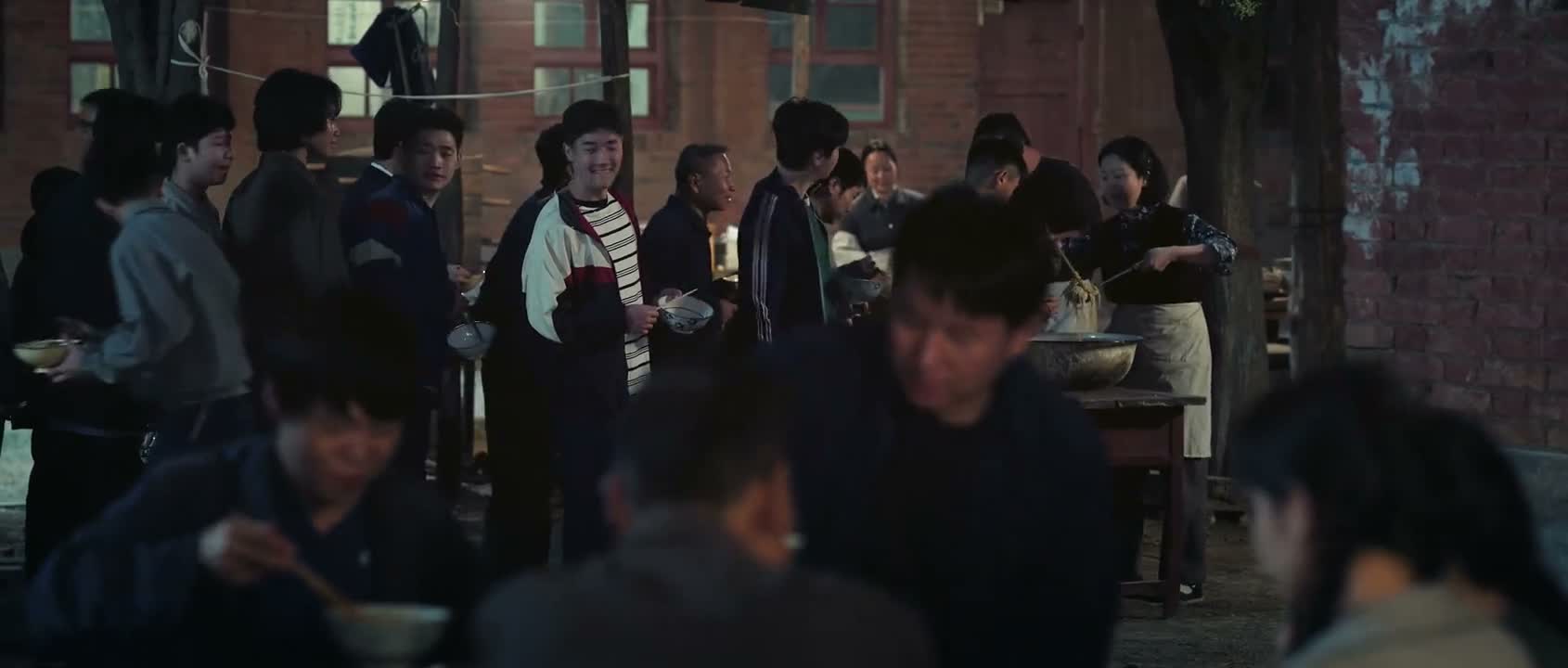
“you can do the cooking, and we'll go perform on stage.”

“Let's go listen to the radio! Her showcase after years of training”
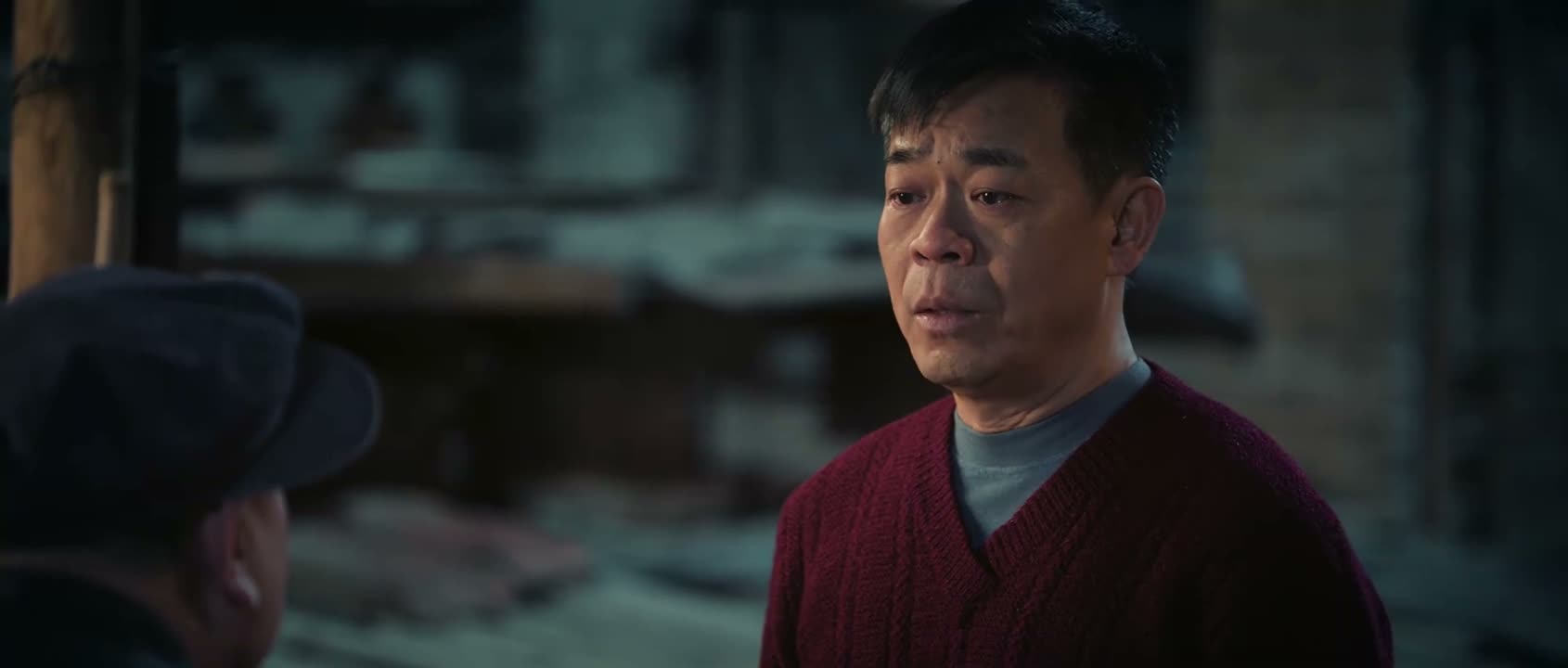
“The kid studies opera to make a living.”
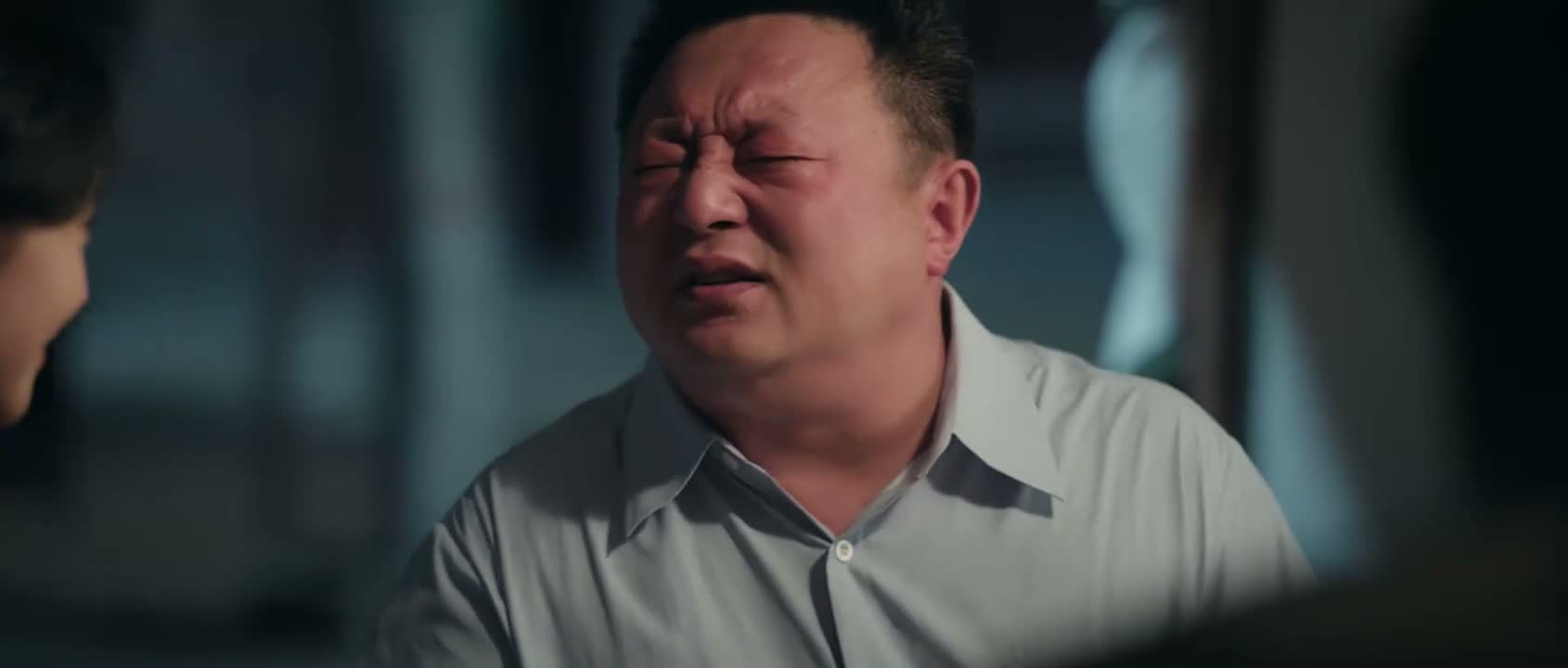
“I can never get enough of your performances.”
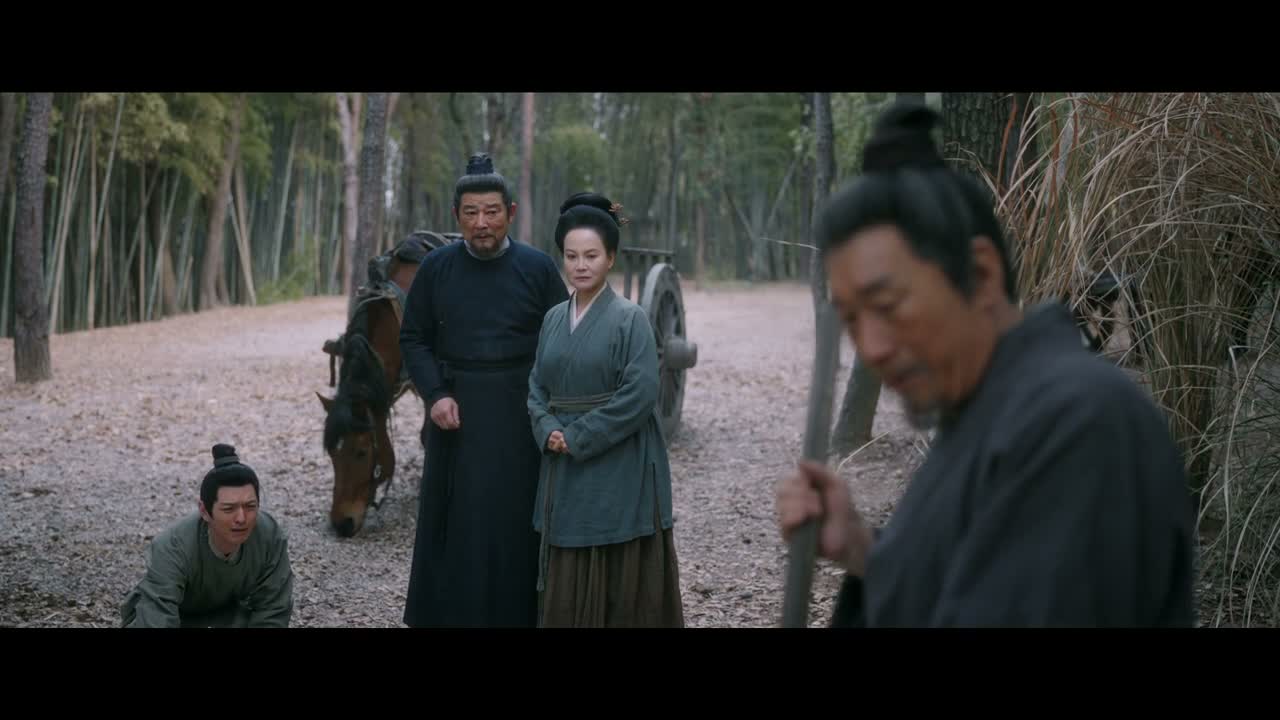
“Stop putting on a show.”