《Go Ahead》 S1·E13 (36:25)
HSK 7
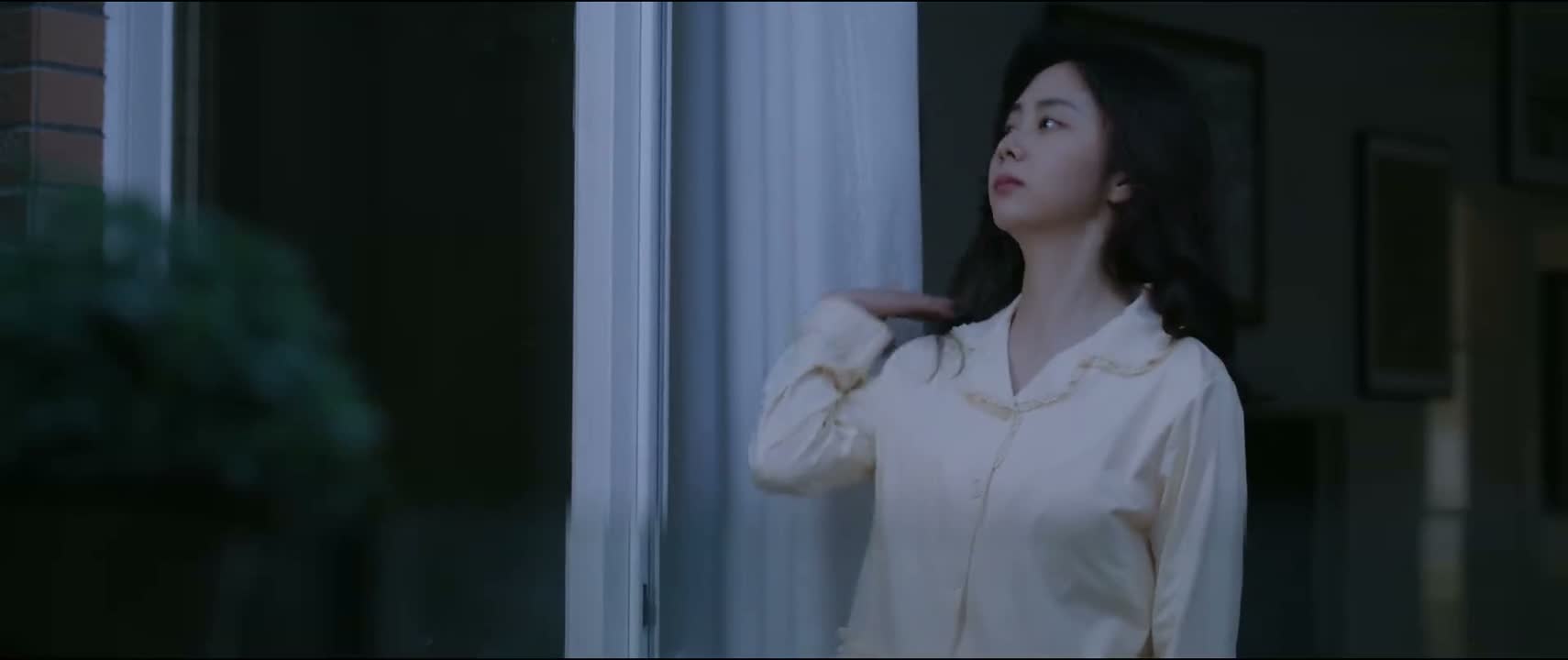
míng tiān yī zǎo bú shì hái dé shàng bān ma
明天一早 不是还得上班吗
“You have to work tomorrow morning, right?”
《Go Ahead》
S1·E13
TIMECODE: 36:25
·
1080P MASTER AUDIO
THE DIALOGUE REEL
[-1] PREVIOUS TURN
bà nǐ zěn me zài zhè
爸你怎么在这
“Dad, why are you here?”
míng tiān yī zǎo bú shì hái dé shàng bān ma
CURRENT FOCUS
明天一早 不是 还得上班 吗
“You have to work tomorrow morning, right?”
[+1] FOLLOW-UP TURN
a a
啊 啊
“Well. Well.”
Subtitles synced to millisecond timecode
Browse Show Clips →
Scene:
Family & Home
Function:
CARING REMINDER
Tone:
CARING
Emotion:
CONCERN
WHAT THEY REALLY MEAN (PRAGMATIC SUBTEXT)
“You should go to sleep soon, or you will be exhausted tomorrow.”
💡 Cultural Insight: Indirect Paternal Concern
In Chinese families, care and affection are frequently expressed through practical reminders about sleep and work rather than direct emotional statements.
INTENT TAGS:
#reminder
#indirect_care
#urging_rest
#family_routine
🧩
2 CHUNKS · 1 PARTICLES
LEARNING CHUNKS & PARTICLES
明天一早
SPOKEN CHUNK
early tomorrow morning
A very natural spoken contraction used to refer to early morning the next day.
不是还得
SPOKEN CHUNK
don't you still have to...?
A rhetorical framing used to remind someone of an unavoidable obligation or schedule.
Modal Particle「吗」 (ma)
CHANGE OF STATE
Forms a rhetorical question softening the reminder into a gentle nudge.
🏮
3 EXPR · 0 GRAMMAR
VOCABULARY & EXPRESSIONS
COLLOQUIAL EXPRESSIONS:
CROSS-CINEMA CORPUS BOARD · PARALLEL SCENES
EXPLORE BY SEMANTIC SIMILARITY
Parallel Spoken Cinema Scenes (语义近邻切片)
《Go Ahead》 S1·E13 (36:25) · Authentic Cinema Dialogue Corpus