你现在敢跟我顶嘴了
“You've got the nerve to talk back to me now,”
THE DIALOGUE REEL
“I don't get a say here, right? Then I'm going somewhere where I have a say. Well, look at you.”
你现在 敢跟我顶嘴 了
“You've got the nerve to talk back to me now,”
是吧
“huh?”
“You're crossing a line and getting way too bold—know your place.”
In Confucian-influenced social structures, overt verbal pushback ('顶嘴') against elders or superiors is regarded as a severe breach of filial piety or structural decorum.
LEARNING CHUNKS & PARTICLES
to talk back / to retort cheekily
Used almost exclusively by a superior (parent, boss, elder) toward an insubordinate junior.
dare to (do something) to/with me
Signals indignation at perceived audacity, frequently used in accusatory or defensive statements.
Marks a shift in behavior or status, emphasizing that talking back is a bold, unprecedented new development.
VOCABULARY & EXPRESSIONS
Parallel Spoken Cinema Scenes (语义近邻切片)
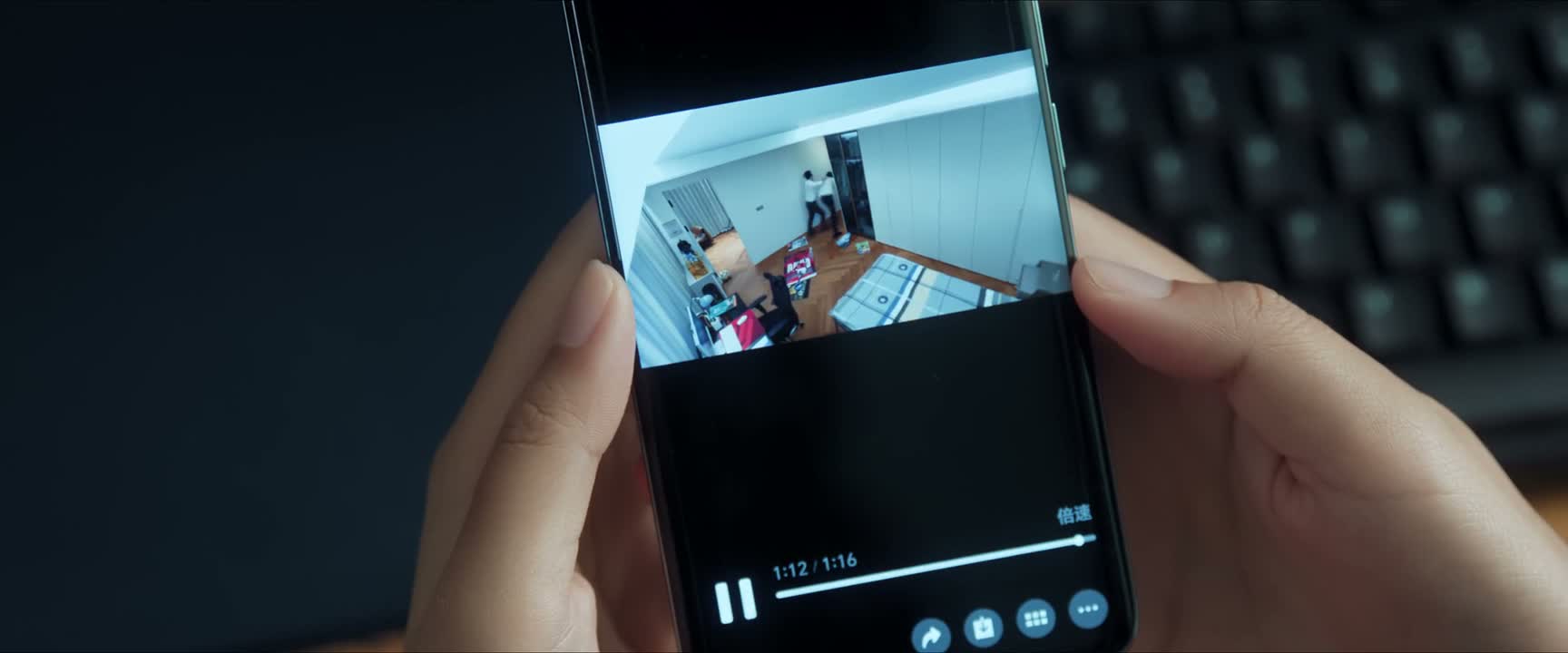
“You've got the nerve to talk back to me now, huh? [Wen Chengye]”
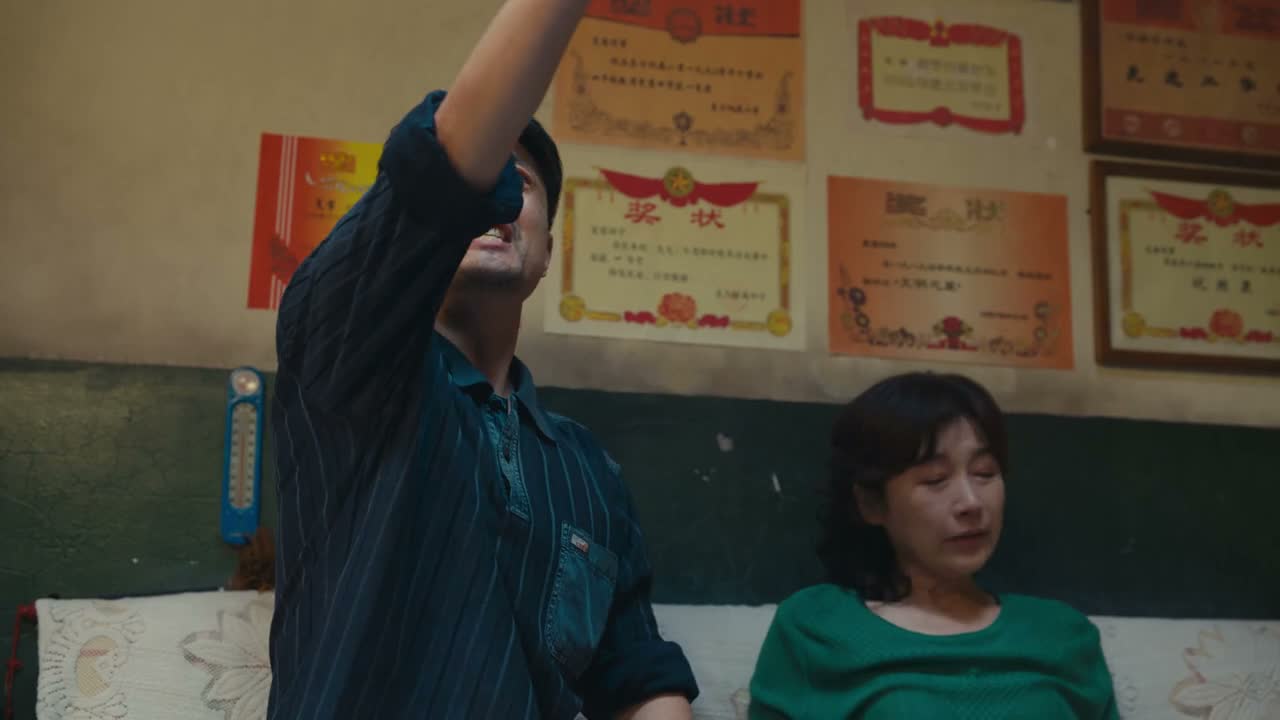
“Y-You're talking back to me now?”

“Now you've even learned to talk back. If you're going to be like this,”