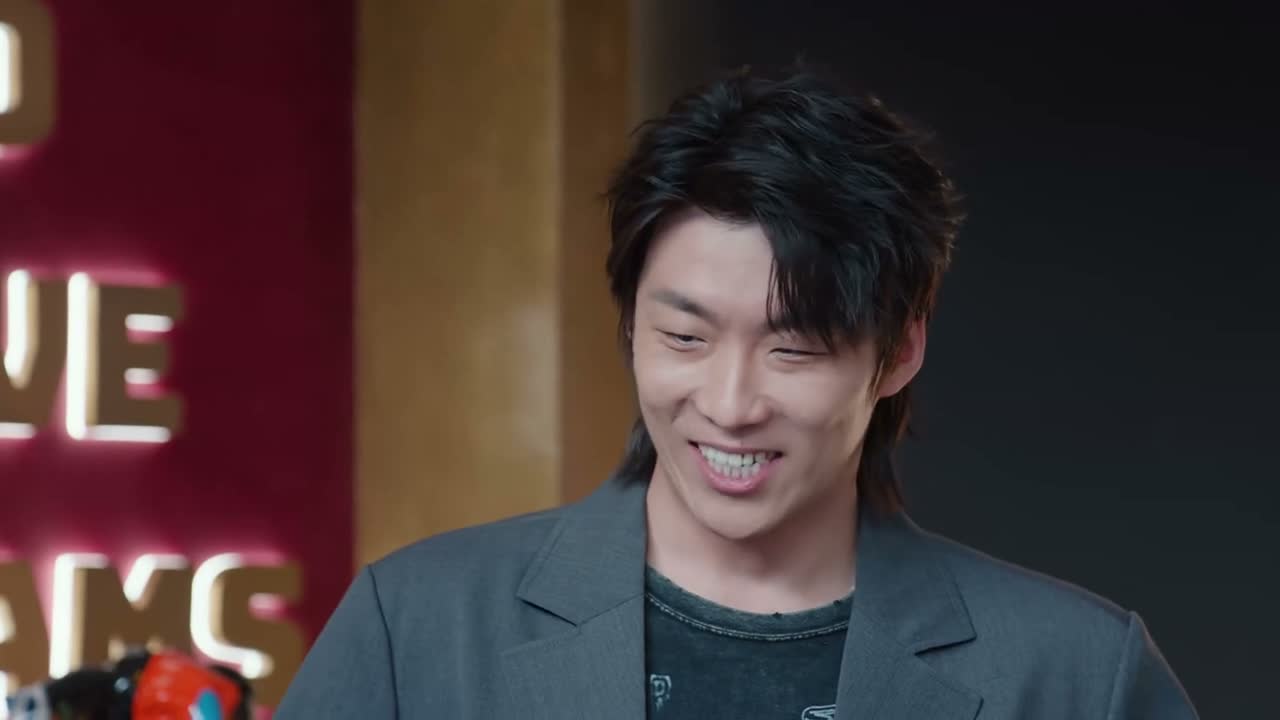
《Light to the Night》 S1·E3 (17:44)
HSK 1
yāo ér nǐ bù xiǎo de
幺儿 你不晓得
“Kiddo,”
《Light to the Night》
S1·E3
TIMECODE: 17:44
·
1080P MASTER AUDIO
THE DIALOGUE REEL
[-1] PREVIOUS TURN
mǎ shàng yòu shì mǎ shàng nǐ zuì jìn de mǎ shàng yuè lái yuè lí pǔ le
马上 又是马上 你最近的马上 越来越离谱了
“I'll come back soon. Again? Your soon is getting absurdly long.”
yāo ér nǐ bù xiǎo de
CURRENT FOCUS
幺儿 你 不晓得
“Kiddo,”
[+1] FOLLOW-UP TURN
wǒ shì pèng shàng gè chán rén jīng yì zhí chán zhe nǐ bà
“I recently ran into a troublemaker. He keeps pestering me.”
Subtitles synced to millisecond timecode
Browse Show Clips →
Scene:
Family & Home
Function:
APPEALING FOR UNDERSTANDING
Tone:
COAXING
Emotion:
DEFENSIVENESS
WHAT THEY REALLY MEAN (PRAGMATIC SUBTEXT)
“Don't be mad at me; hear me out, I have a legitimate excuse you don't know about yet.”
💡 Cultural Insight: Regional Affectionate Terms (Yao'er)
In Southwestern Chinese culture, '幺儿' (literally youngest child) conveys intense parental affection and is often invoked to disarm tension and coax an upset child.
INTENT TAGS:
#coaxing
#placating
#excuse
#defensiveness
🧩
2 CHUNKS · 0 PARTICLES
LEARNING CHUNKS & PARTICLES
幺儿
SPOKEN CHUNK
darling child / youngest child (Southwestern Mandarin)
A highly affectionate regional term used by parents toward their beloved child in Sichuan/Chongqing dialects.
你不晓得
SPOKEN CHUNK
you don't know / you have no idea
A colloquial/dialectal way to introduce a justification or reveal unexpected background information.
🏮
1 EXPR · 0 GRAMMAR
VOCABULARY & EXPRESSIONS
COLLOQUIAL EXPRESSIONS:
CROSS-CINEMA CORPUS BOARD · PARALLEL SCENES
EXPLORE BY SEMANTIC SIMILARITY
Parallel Spoken Cinema Scenes (语义近邻切片)
《Light to the Night》 S1·E3 (17:44) · Authentic Cinema Dialogue Corpus