MC
MandarinClips Cinema Corpus
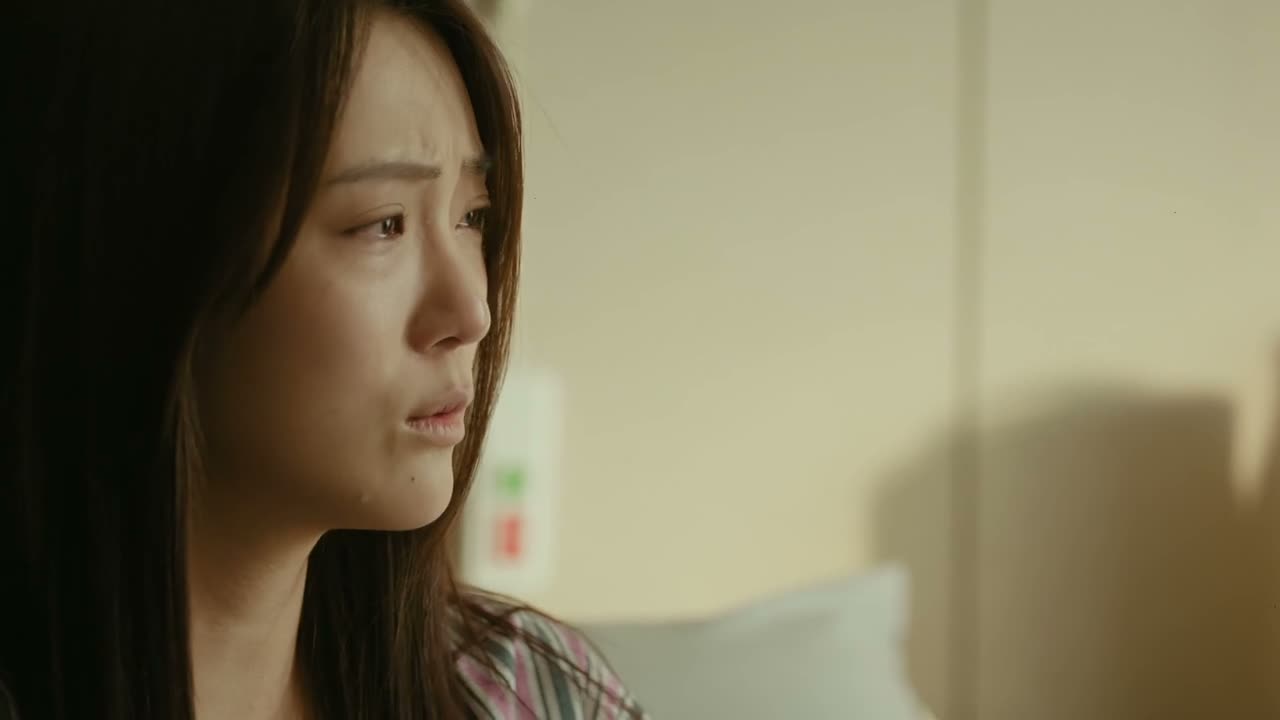
《Go Ahead》 S1·E4 (09:28) HSK 2
wǒ nà ge shí hòu yǐ jīng zì gù bù xiá le

我那个时候已经 自顾不暇了

“I wasn't able to take care of myself then.”

《Go Ahead》 S1·E4
TIMECODE: 09:28 · 1080P MASTER AUDIO

THE DIALOGUE REEL

1+1+1 SPOKEN CONTINUITY
[-1] PREVIOUS TURN nǐ kě néng shòu dào de shāng hài huì gèng duō

“you would have been hurt more heavily.”

wǒ nà ge shí hòu yǐ jīng zì gù bù xiá le CURRENT FOCUS

我 那个 时候已经 自顾不暇 了

“I wasn't able to take care of myself then.”

[+1] FOLLOW-UP TURN wǒ bǎ nǐ liú xià bìng bú shì

我把你留下并不是

“Leaving you behind wasn't…”

Subtitles synced to millisecond timecode Browse Show Clips →
Scene: Family & Home
Function: JUSTIFICATION
Tone: DEFENSIVE AND SORROWFUL
Emotion: GUILT
WHAT THEY REALLY MEAN (PRAGMATIC SUBTEXT)
“Please don't hate me; I was barely surviving myself back then.”
💡 Cultural Insight: Parental Apology and Helplessness

In Chinese family dynamics, parents rarely say a direct 'I am sorry' to their children; instead, they explain external hardships and personal helplessness (Ku-chu) to solicit empathy and heal estrangement.

INTENT TAGS: #justification #plea_for_understanding #self_defense #remorse
🧩

LEARNING CHUNKS & PARTICLES

2 CHUNKS · 1 PARTICLES
自顾不暇 SPOKEN CHUNK

too busy with one's own problems to attend to others

A useful idiomatic phrase used to explain why you cannot help someone else due to being overwhelmed by your own difficulties.

那个时候 SPOKEN CHUNK

at that time / back then

A common temporal marker used in spoken Chinese when reminiscing or recounting past events.

Modal Particle「了」 (le) CHANGE OF STATE

Marks a completed state and reinforces the finality and gravity of the speaker's past difficult situation.
🏮

VOCABULARY & EXPRESSIONS

2 EXPR · 0 GRAMMAR
CROSS-CINEMA CORPUS BOARD · PARALLEL SCENES

Parallel Spoken Cinema Scenes (语义近邻切片)

EXPLORE BY SEMANTIC SIMILARITY
《Go Ahead》 S1·E4 (09:28) · Authentic Cinema Dialogue Corpus