我是说我这一路走过来 孤苦伶仃的
“I mean, all along my way, I've been all alone.”
THE DIALOGUE REEL
居然这种话也都信
“You actually bought that?”
我是说 我这 一路走过来 孤苦伶仃 的
“I mean, all along my way, I've been all alone.”
一直没有人愿意帮我
“No one has been willing to help me.”
“Pity me; I have had to suffer alone and deserve your help.”
Sharing excessive personal suffering is often used strategically in Chinese interpersonal dynamics to evoke pity, deflect blame, or gain unearned support.
LEARNING CHUNKS & PARTICLES
all the way through life/the journey up to this point
Used when recounting personal struggles and enduring hardships over a long period.
solitary and impoverished; completely alone in the world
A classic four-character idiom (chengyu) used to emphasize total lack of family support or companionship.
Used at the end of the clause to emphasize the descriptive state of being utterly alone.
VOCABULARY & EXPRESSIONS
Parallel Spoken Cinema Scenes (语义近邻切片)

“We had this journey”
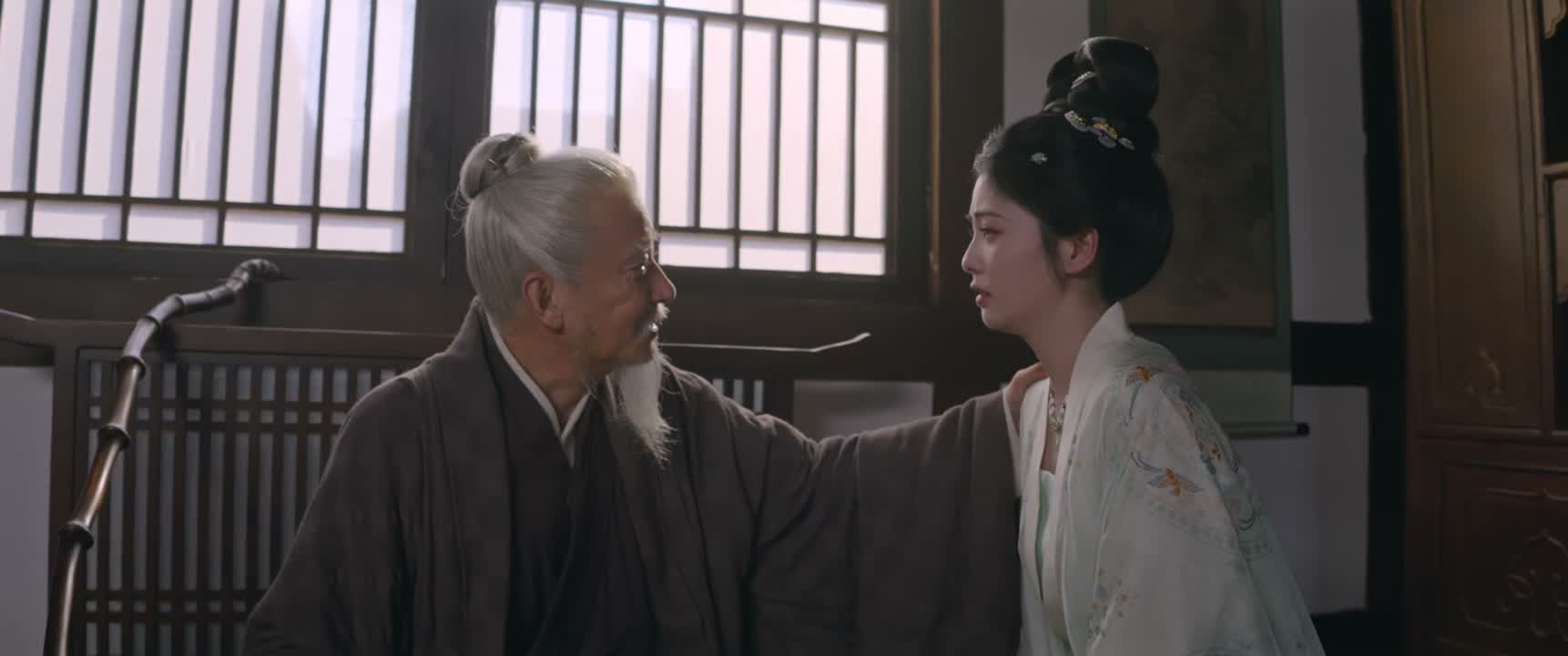
“This journey you've taken”

“I saw so many people die”

“I didn't see anyone all the way.”
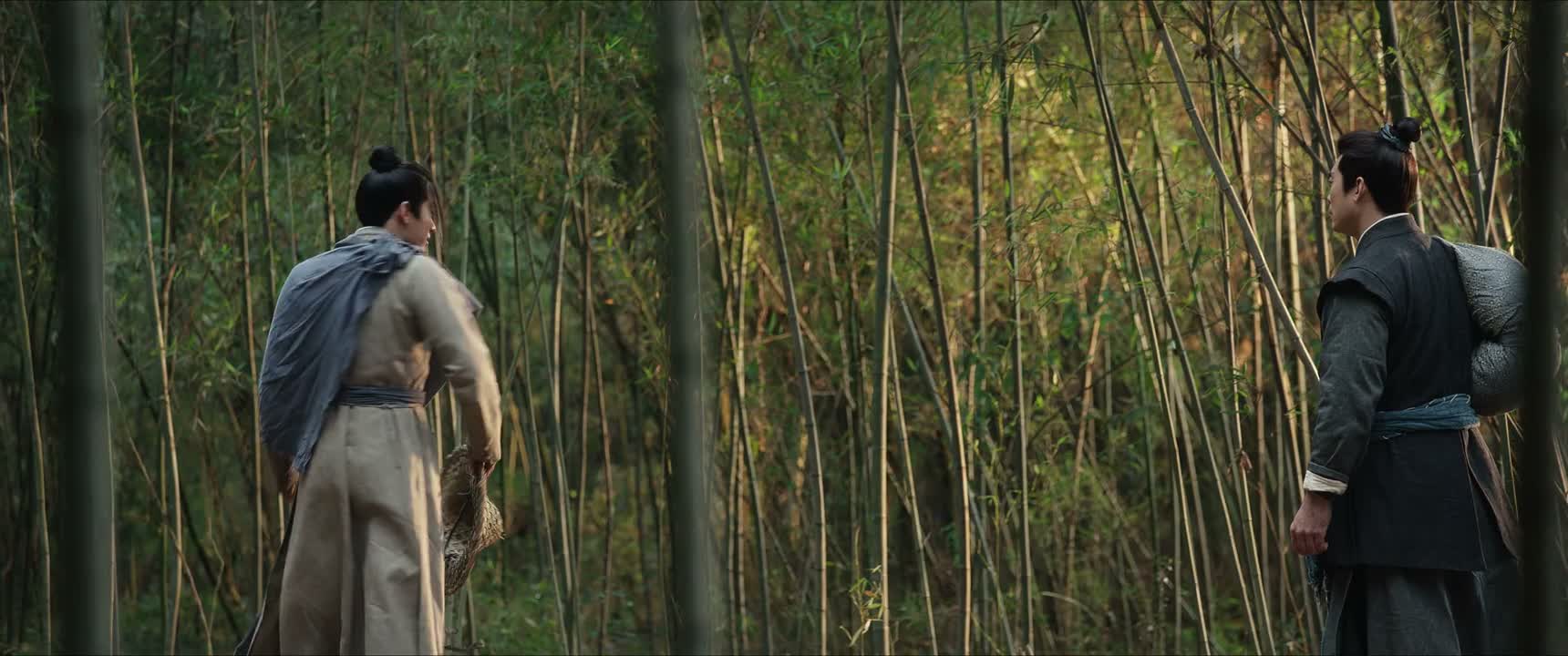
“I've been hiding so carefully all this way.”
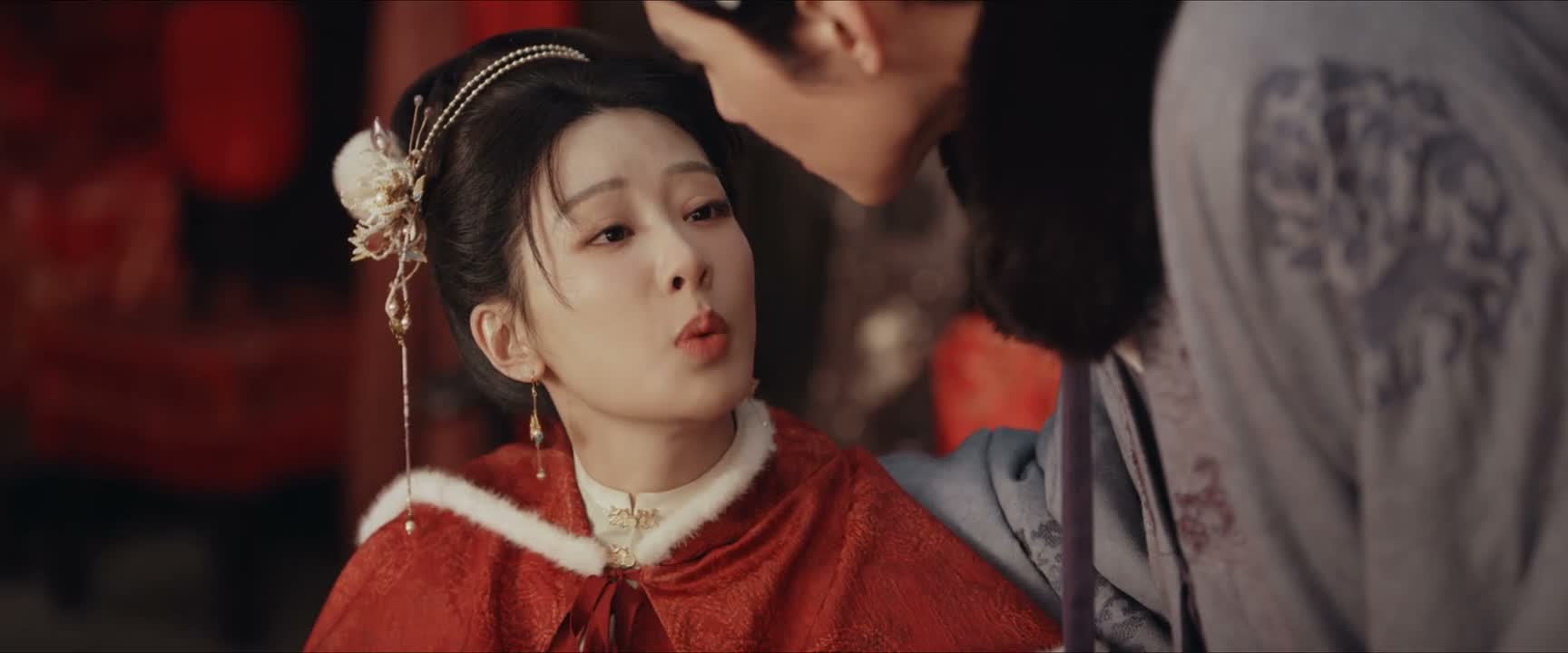
“But over the years, we've never been like you,”