MC
MandarinClips Cinema Corpus
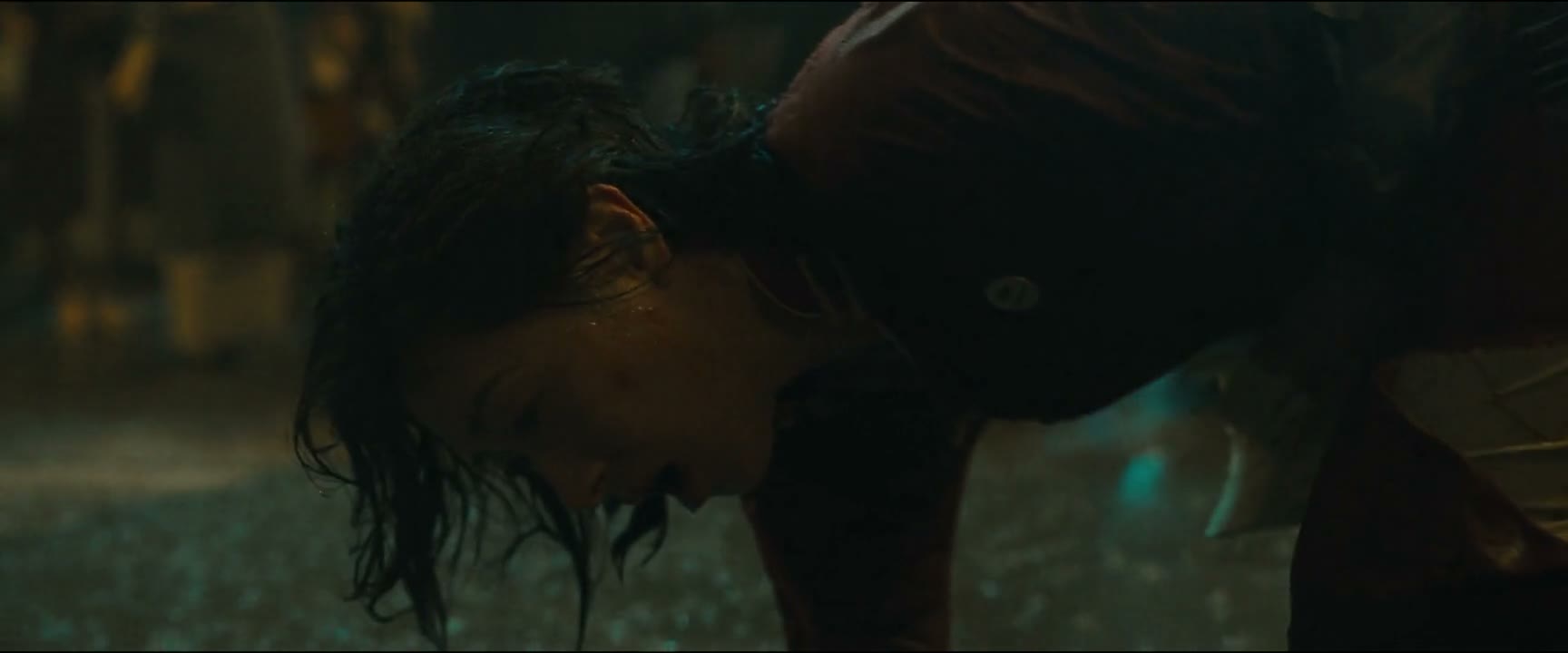
《Love Has Fireworks》 S1·E19 (27:57) HSK 2
nǐ néng yào diǎn liǎn ma nǐ kàn hái néng xiào ne

你能要点脸吗 你看 还能笑呢

“Can you have some shame? Look, you can still smile.”

《Love Has Fireworks》 S1·E19
TIMECODE: 27:57 · 1080P MASTER AUDIO

THE DIALOGUE REEL

1+1+1 SPOKEN CONTINUITY
[-1] PREVIOUS TURN wǒ gēn huáng shàng jiù shì zhè me yí gè dào lǐ

“It's the same logic between the emperor and me.”

nǐ néng yào diǎn liǎn ma nǐ kàn hái néng xiào ne CURRENT FOCUS

你能要点脸吗 你看 还能笑 呢

“Can you have some shame? Look, you can still smile.”

[+1] FOLLOW-UP TURN néng xiào jiù shuō míng sǐ bù liǎo

“Smiling means you're not going to die.”

Subtitles synced to millisecond timecode Browse Show Clips →
Scene: Daily Life
Function: REBUKING
Tone: TEASING
Emotion: FRUSTRATION
WHAT THEY REALLY MEAN (PRAGMATIC SUBTEXT)
“Have some shame, how can you still laugh at a time like this?”
💡 Cultural Insight: Mianzi and Shamelessness

'Wanting face' (要脸) represents adhering to basic dignity and moral shame. Accusing someone of lacking face serves as an explicit appeal to social decorum.

INTENT TAGS: #reproach #mockery #teasing #boundary_setting
🧩

LEARNING CHUNKS & PARTICLES

2 CHUNKS · 2 PARTICLES
要点脸 SPOKEN CHUNK

have some shame; show some decency or self-respect

A sharp, colloquial idiom used either as a blunt reprimand or playful banter depending on the closeness of the relationship.

还能笑 SPOKEN CHUNK

can still laugh; having the nerve to smile

Used to express incredulity at someone finding amusement in an improper or distressing situation.

Modal Particle「吗」 (ma) CHANGE OF STATE

Frames the reproach as a rhetorical question expressing exasperation.

Modal Particle「呢」 (ne) CHANGE OF STATE

Highlights the ongoing, surprising condition of the interlocutor continuing to smile.
🏮

VOCABULARY & EXPRESSIONS

2 EXPR · 0 GRAMMAR
CROSS-CINEMA CORPUS BOARD · PARALLEL SCENES

Parallel Spoken Cinema Scenes (语义近邻切片)

EXPLORE BY SEMANTIC SIMILARITY
《Love Has Fireworks》 S1·E19 (27:57) · Authentic Cinema Dialogue Corpus