这次你怎么和我爸在一条战线了
“How come you're on my dad's side this time?”
THE DIALOGUE REEL
叔叔那是太在意你
“Your dad just cares about you too much.”
这次你 怎么 和 我爸 在 一条战线 了
“How come you're on my dad's side this time?”
叔叔是咱们集团董事长
“He is the chairman of our group.”
“You're supposed to have my back, so why are you teaming up with my dad against me?”
In Chinese family-owned enterprises, interpersonal alliances often blur the line between filial expectations and corporate hierarchy, placing peers in awkward loyalty tests.
LEARNING CHUNKS & PARTICLES
on the same battlefront / united on the same side
An idiom derived from military rhetoric, widely used in spoken Chinese to describe standing in solidarity or having aligned interests.
how come this time you...
Used to express surprise at an unexpected deviation from someone's usual stance or behavior.
Signifies a change of state, highlighting that the listener has newly joined the father's camp.
VOCABULARY & EXPRESSIONS
Parallel Spoken Cinema Scenes (语义近邻切片)

“He also fought side by side with my father.”
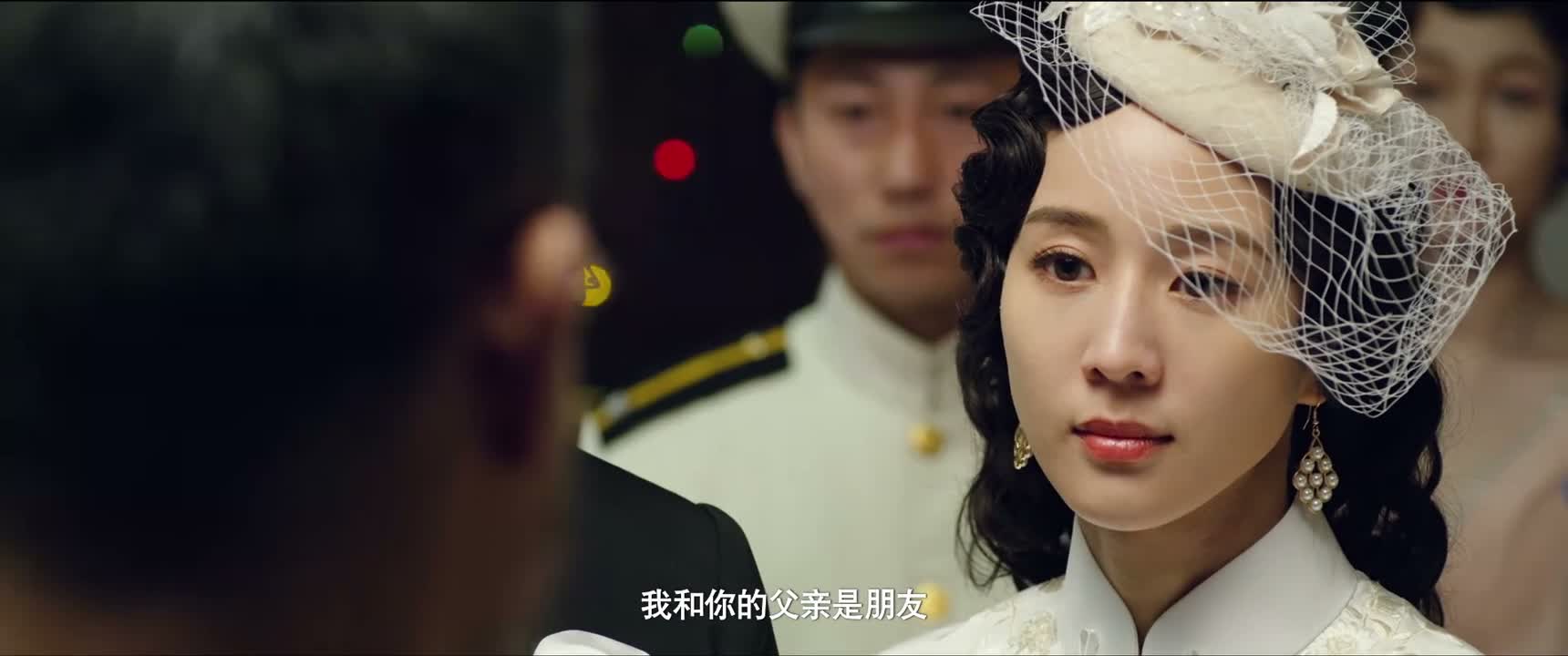
“Your father and I are friends.”

“Your father and I had fought side by side on the battlefield before you were even born!”

“(Sang Shiqi) This guy is close to your father, right?”

“as an infant.”

“Your father, however, was in his prime.”