放开 你弄疼我了 放开我娘 放开我娘
“Let go! You're hurting me! -Let go of my mother! -Yuanbao! Come back! Yuanbao!”
THE DIALOGUE REEL
放开我 你
“Let me go! You...”
放开 你 弄疼我了 放开我娘 放开我娘
“Let go! You're hurting me! -Let go of my mother! -Yuanbao! Come back! Yuanbao!”
元宝 回来 元宝
“-Let go of my mother! -Yuanbao! Come back! Yuanbao!”
Direct spoken expression in this communicative setting.
Calling out for one's mother (娘) during danger reflects deep filial bonds and visceral vulnerability in traditional Chinese narratives.
LEARNING CHUNKS & PARTICLES
let go / release
A direct imperative used urgently when asking someone to release their physical grip on someone or something.
cause pain / hurt physically
Commonly used in spoken Chinese to complain about physical discomfort caused by someone's rough touch or grip.
Indicates a newly emerged state of physical pain resulting from the other person's force.
VOCABULARY & EXPRESSIONS
Parallel Spoken Cinema Scenes (语义近邻切片)
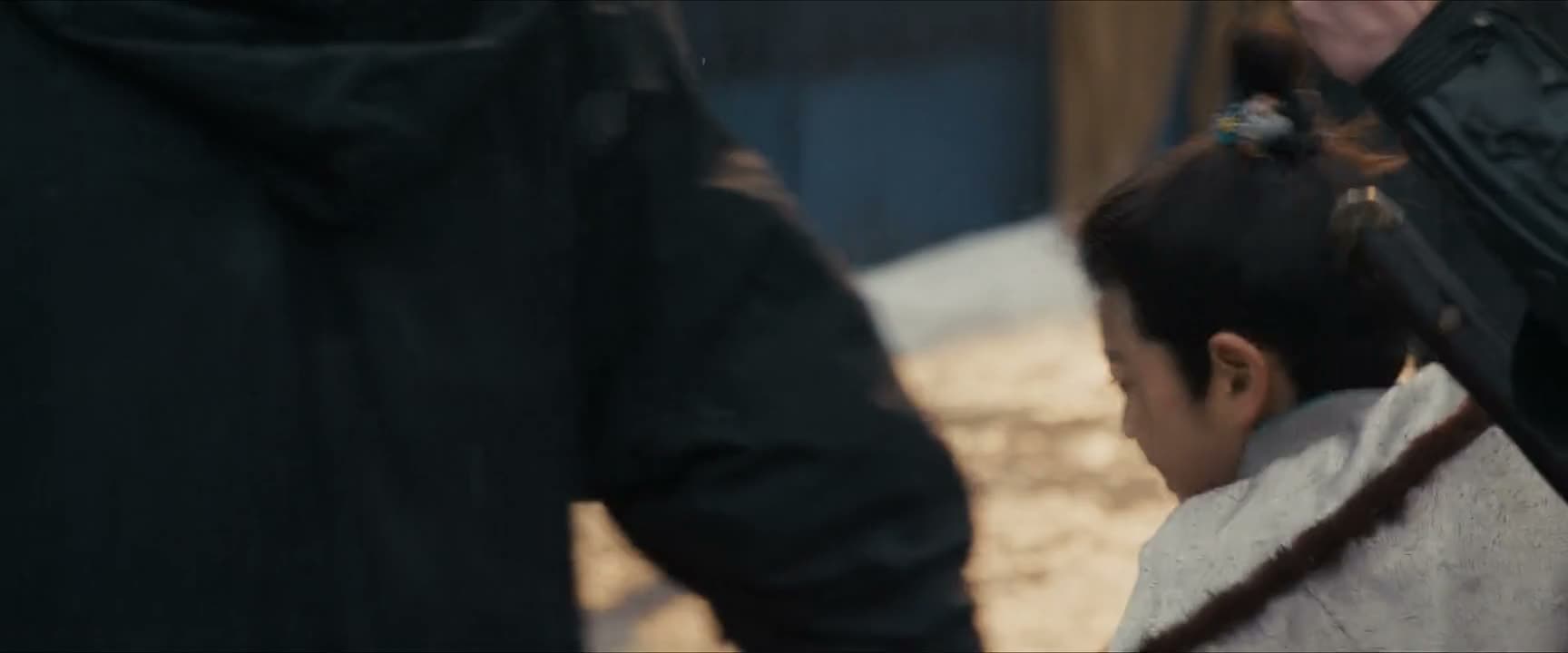
“Let go of my mother!”

“Let me go! Let me go!”
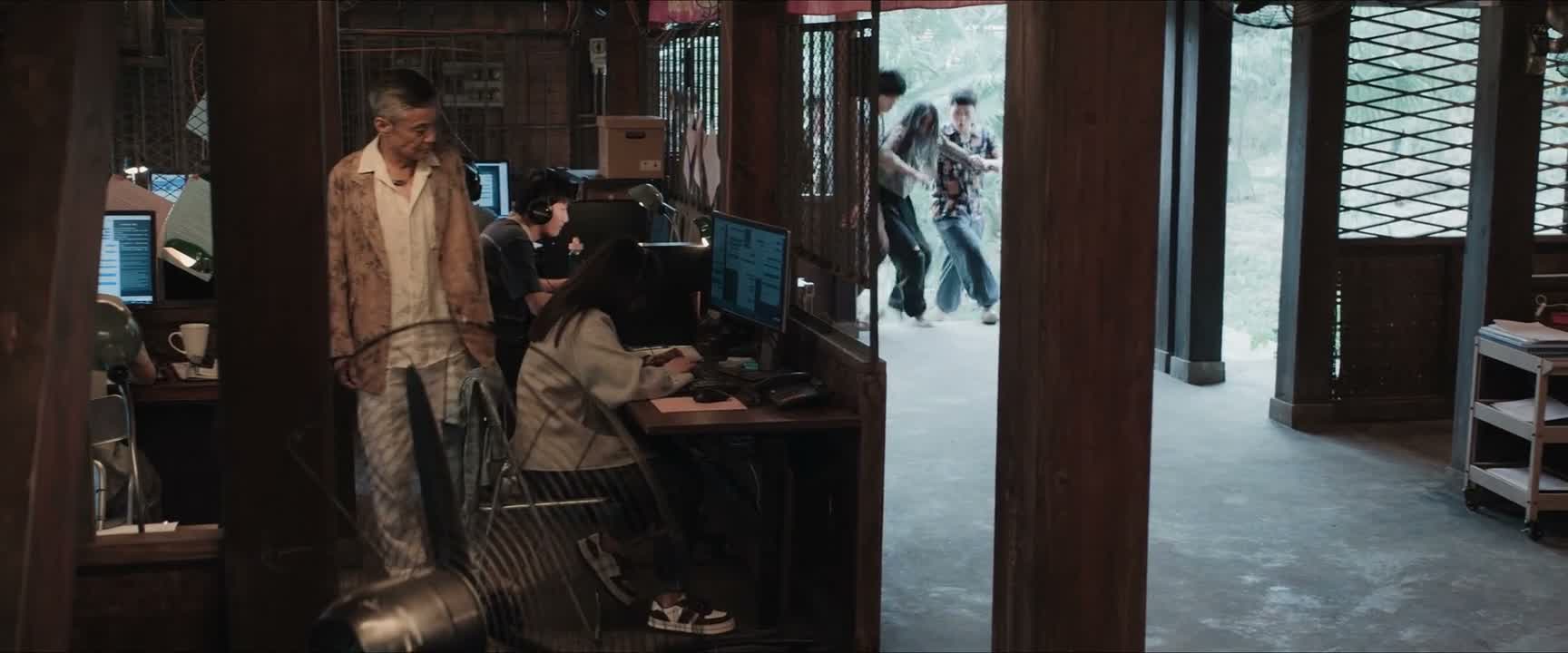
“Let me go! Let me go!”

“Let go! Let go!”

“Let go of me!”