MC
MandarinClips Cinema Corpus
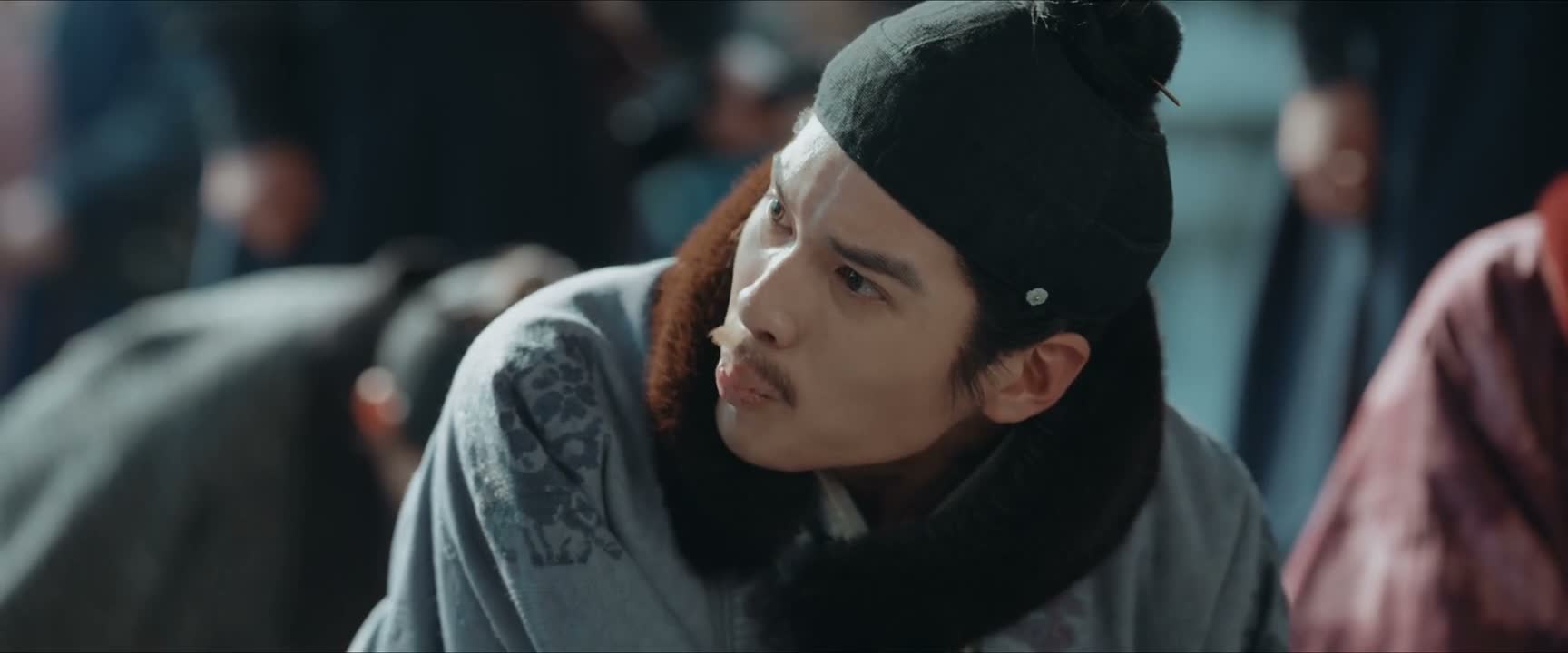
《The Heir》 S1·E39 (11:26) HSK 5
zhè chéng rì rāng rang zhe ya jiù yào qù mò fāng

这成日嚷嚷着呀 就要去墨坊

“He's constantly talking about how he wants to go to the ink workshop.”

《The Heir》 S1·E39
TIMECODE: 11:26 · 1080P MASTER AUDIO

THE DIALOGUE REEL

1+1+1 SPOKEN CONTINUITY
[-1] PREVIOUS TURN nǐ shuō shuō yī jiā rén dōu zài mò fāng wǒ men zhèng rùn yě shì

你说说 一家人都在墨坊 我们正润也是

“Look at that—our whole family is at the ink workshop. Our Zhengrun is the same.”

zhè chéng rì rāng rang zhe ya jiù yào qù mò fāng CURRENT FOCUS

这 成日 嚷嚷着 呀 就要 去墨坊

“He's constantly talking about how he wants to go to the ink workshop.”

[+1] FOLLOW-UP TURN zhè zuó tiān yè lǐ zuò mèng zuǐ lǐ hái niàn zhe ne

“Last night in his sleep, he was even mumbling about it,”

Subtitles synced to millisecond timecode Browse Show Clips →
Scene: Family & Home
Function: AFFECTIONATE COMPLAINING
Tone: TEASING
Emotion: PRIDE
WHAT THEY REALLY MEAN (PRAGMATIC SUBTEXT)
“Look how dedicated and eager my child is to learn the trade!”
💡 Cultural Insight: Humble Bragging (Ai bu shi shou / Nilü zhi shuo)

Chinese parents often use affectionate complaints to modestly boast about their children's devotion and work ethic.

INTENT TAGS: #indirect_praise #family_pride #storytelling #affection
🧩

LEARNING CHUNKS & PARTICLES

2 CHUNKS · 1 PARTICLES
成日 SPOKEN CHUNK

all day long / continuously

Colloquial term synonymous with 整天, often used when emphasizing repetitiveness.

嚷嚷 SPOKEN CHUNK

clamoring / shouting persistently

Casual spoken term describing loud, repetitive demands or complaints.

Modal Particle「呀」 (ya) CHANGE OF STATE

Softens the conversational delivery and adds an affectionate, storytelling flavor.
🏮

VOCABULARY & EXPRESSIONS

3 EXPR · 0 GRAMMAR
CROSS-CINEMA CORPUS BOARD · PARALLEL SCENES

Parallel Spoken Cinema Scenes (语义近邻切片)

EXPLORE BY SEMANTIC SIMILARITY
《The Heir》 S1·E39 (11:26) · Authentic Cinema Dialogue Corpus