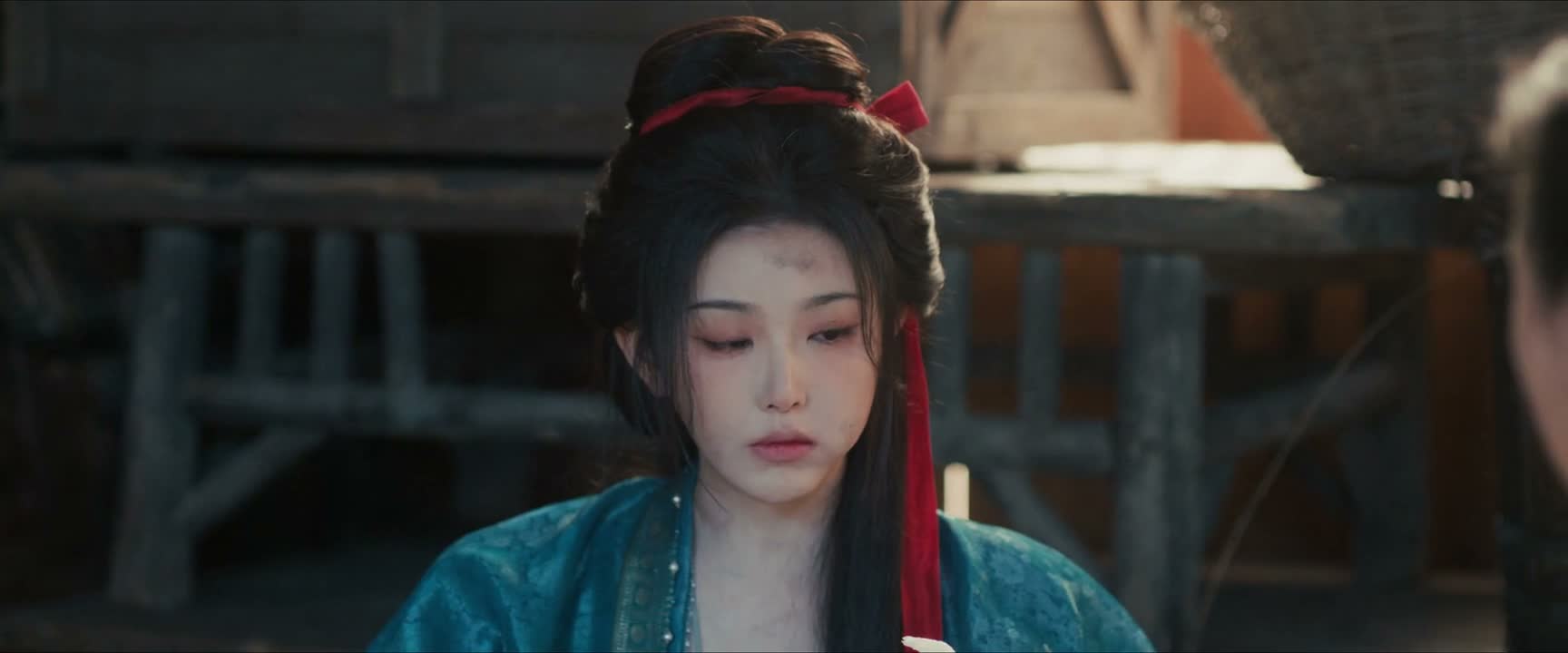
你干吗呀 我都这样了
“What are you doing?”
THE DIALOGUE REEL
你
“You...”
你干吗呀 我都这样了
“What are you doing?”
我都这样了
“Look at the state I'm in!”
“Back off and have some pity; can't you see I am already suffering enough?”
Publicly highlighting one's own pitiful or compromised condition is a common pragmatic strategy in Chinese arguments to induce guilt and stop further confrontation.
LEARNING CHUNKS & PARTICLES
already in such a bad state / already reduced to this
Used to plead vulnerability or emphasize that circumstances cannot get much worse.
What do you think you're doing? / Why are you doing that?
A colloquial question used to protest someone's immediate physical action or verbal pressure.
Adds emotional intensity and exasperation to the protest.
Marks the current state of vulnerability or distress that warrants sympathy.
VOCABULARY & EXPRESSIONS
Parallel Spoken Cinema Scenes (语义近邻切片)

“[Inquiry Room] What were you doing? You'll break the law if you keep doing this.”

“Why do you think so badly of me? Last night, you were the one begging me to come help.”
“Why are you so good to me?”

“What did you do? You sound hyped.”

“Why do you keep looking at me like that?”